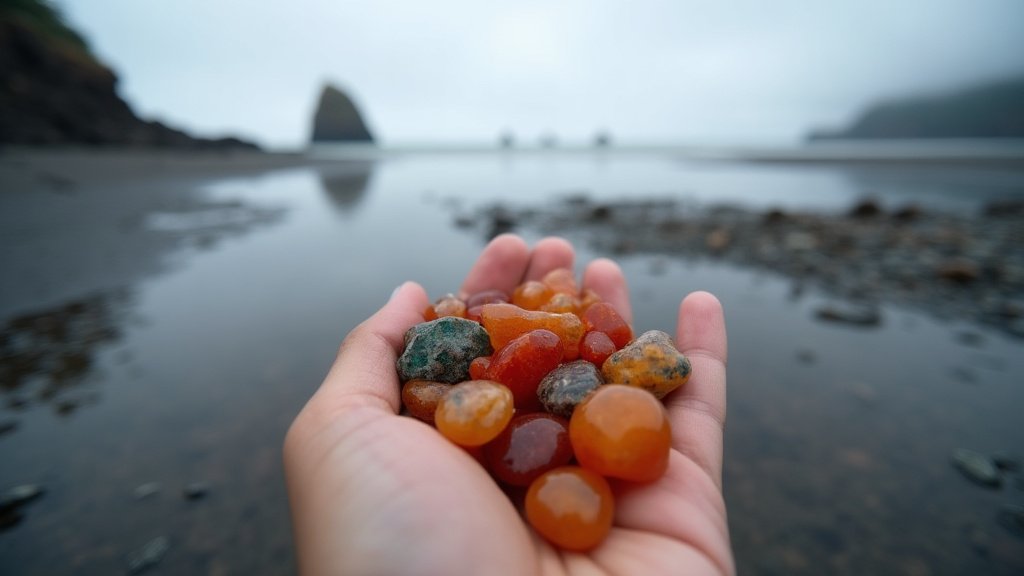
The Oregon coastline is currently undergoing a dramatic geological reset. Following a series of powerful Pacific winter storms and extreme “King Tide” events, the shifting sediment layers have exposed dormant treasures long buried beneath the sand. For enthusiasts of lapidary arts and geology, this is the prime window of opportunity. The turbulence of the ocean acts as a natural sifter, dredging up carnelian agates, colorful jasper, fossilized wood, and rare minerals that typically remain concealed during the calmer summer months.
Key Highlights
- The Storm Cycle: Heavy wave action creates high-energy erosion, which scours away sand bars and exposes the “lag deposits”—the heavier materials like agates and fossils that sink to the bottom.
- Essential Safety Protocols: Never turn your back on the ocean; “sneaker waves” are a constant threat on the Oregon coast, especially in winter. Always consult tide charts before heading out.
- The Prime 12 Locations: From Newport to the southern coast, specific geological formations are yielding the best results for collectors.
- Legal Considerations: Rockhounding is generally permitted on Oregon state beaches for personal use, but always check current local regulations via the Oregon State Parks and Recreation Department (OPRD).
Unearthing the Oregon Coast: A Guide to Post-Storm Success
The phenomenon of “treasure hunting” after a storm is rooted in basic physics. As the Pacific Northwest winter storms intensify, the increased wave energy significantly increases littoral drift—the movement of sediment along the shoreline. As the waves crash against the shoreline with greater force, they remove the top layer of fine sand, exposing the coarser gravel beds beneath. This is where agates (a variety of chalcedony) and jasper (an opaque, impure variety of silica) settle. When the water recedes, these stones, which are denser than sand, are left behind, glistening in the wet, dark beach substrate.
The 12 Prime Locations for Winter Collecting
1. Agate Beach, Newport: True to its name, this location is the gold standard. The erosion patterns here after a storm consistently expose fresh gravel beds.
2. Moolack Beach, Newport: Located just north of Agate Beach, this area is renowned for its vast stretches of fossilized wood and occasional larger pieces of jasper.
3. Short Beach, Oceanside: A hidden gem where the steep cliffs contribute to excellent rock deposition. Access is steep, but the reward of agates and unique glass floats is high.
4. Cape Kiwanda, Pacific City: Known primarily for its dramatic sandstone formations, the wash here reveals unique fossils trapped within the eroded rock debris.
5. Lincoln City Beaches (Various Access Points): The central coast beaches are notorious for their prolific “agate runs.” The stretch between D-River and Roads End is particularly productive.
6. Beverly Beach: Located near the Yaquina Head Outstanding Natural Area, this beach offers a mix of quartz, agates, and sometimes petrified wood.
7. Tolovana Beach, Cannon Beach: While popular for Haystack Rock, the stretch south towards Tolovana is a fantastic spot to find colorful pebbles smoothed by the Pacific.
8. Yachats State Park Area: The rocky coastline here acts as a natural trap. Exploring the crevices between the basalt rocks after a high tide is essential.
9. Bastendorff Beach, Charleston: A quieter location that receives less traffic than the central coast, allowing for untouched searching after storm events.
10. Gold Beach: As the name implies, the river mouths here are rich with material brought down from the mountains, including jasper and agates.
11. Seal Rock State Recreation Site: The offshore sea stacks create complex currents that deposit heavy stones in specific tidal zones.
12. Arcadia Beach: Tucked between Cannon Beach and Arch Cape, this beach is a favorite among locals for its secluded access and high-quality specimens.
Understanding the Geology of the Find
The Oregon Coast is a masterclass in dynamic geology. The presence of agates, which are composed of microscopic crystals of quartz, is largely due to the volcanic history of the region. Eons ago, basaltic lava flows created cavities in the rock. Silica-rich groundwater filled these cavities, eventually hardening into the agates we find today. When the shoreline cliffs erode, these agates are released into the surf. The winter storms essentially act as a giant tumbler, polishing these stones against the sand and gravel, revealing their vibrant, translucent colors.
The Economic and Cultural Impact of Rockhounding
Beyond the hobbyist’s joy, rockhounding serves as a minor economic driver for the Oregon coast during the “shoulder season.” When traditional summer tourism fades, hotels, restaurants, and local shops in coastal towns like Newport and Lincoln City rely on the influx of collectors and outdoor enthusiasts. This “storm tourism” has fostered a community of amateur geologists who not only collect but also educate others about coastal preservation. It is a symbiotic relationship: the more people understand the value of these resources, the more they tend to advocate for the protection of these fragile beach ecosystems against over-development.
Future Predictions: Climate and Coastal Change
As climate models predict more frequent and intense storm events for the Pacific Northwest, the “scouring” effect on Oregon’s beaches is likely to increase. While this promises a windfall for rockhounders in the short term, it also signals long-term instability for coastal infrastructure. Many of the cliffs that produce these agates are also retreating. This creates a fascinating, albeit sobering, dynamic: the very forces that provide our “hidden treasures” are also actively reshaping the map of the Oregon coast, forcing state officials to rethink coastal access points and zoning laws annually.
FAQ: People Also Ask
Q: Is it legal to collect rocks on Oregon beaches?
A: Yes, generally, it is legal to collect small amounts of agates, jasper, and other minerals for personal, non-commercial use on Oregon’s public beaches. However, it is illegal to collect cultural artifacts (like arrowheads or pottery) and protected fossils. Always check specific signage at beach access points, as some protected areas prohibit any disturbance of the environment.
Q: What is the best time of day to go rockhounding?
A: The most productive time is low tide, particularly an hour or two before or after the low tide peak. Consult the NOAA tide tables specifically for the region you are visiting. Searching immediately after a storm cycle, while the tide is receding, provides the highest probability of finding fresh material.
Q: What equipment do I need?
A: Keep it simple. You need a sturdy pair of waterproof boots, a small bucket or pouch for your finds, and perhaps a spray bottle of water. Many collectors carry a spray bottle because agates are much easier to spot when wet; the water makes them translucent, helping them stand out from grey pebbles.
Q: What is a “sneaker wave” and how do I avoid it?
A: Sneaker waves are unexpectedly large surges of water that can run much further up the beach than normal. They are dangerous and have claimed lives. To stay safe, never turn your back on the ocean. Maintain a significant distance from the surf line, watch the water for at least 15-20 minutes before stepping onto a beach to gauge wave patterns, and stay away from large driftwood logs, which can be picked up by waves and cause injury.