The New York Times has officially unveiled its highly anticipated ’50 best places to get an unforgettable meal’ list for 2026, and the Pacific Northwest has emerged as a clear victor. In a stunning acknowledgment of Southeast Portland’s rapidly evolving culinary landscape, local favorites OK Chicken and Khao Soi have been selected as two of the premier dining destinations in the United States. This recognition not only places these establishments on a national stage but also validates the deep, authentic, and hyper-focused approach to cooking that has come to define Portland’s unique food culture in the current decade.
Key Highlights
- National Spotlight: OK Chicken and Khao Soi (both located in Southeast Portland) were named in the prestigious New York Times ’50 best places to get an unforgettable meal’ list for 2026.
- Culinary Validation: The selection underscores a national shift toward casual, chef-driven, and culturally authentic regional cuisines over traditional fine dining structures.
- Economic & Social Impact: Inclusion on this list is expected to trigger a significant increase in reservation demand and tourism traffic, further cementing Southeast Portland as a primary destination for global food enthusiasts.
A New Era for Pacific Northwest Gastronomy
The inclusion of two Portland-based restaurants in a single New York Times national feature is a testament to the city’s maturation as a culinary powerhouse. For years, the Pacific Northwest was synonymous with farm-to-table tropes and heavy reliance on local produce. However, the 2026 list reflects a more nuanced understanding of what defines an ‘unforgettable meal.’ It is no longer just about the sourcing of the ingredients; it is about the story, the technique, and the cultural specificity behind the dish.
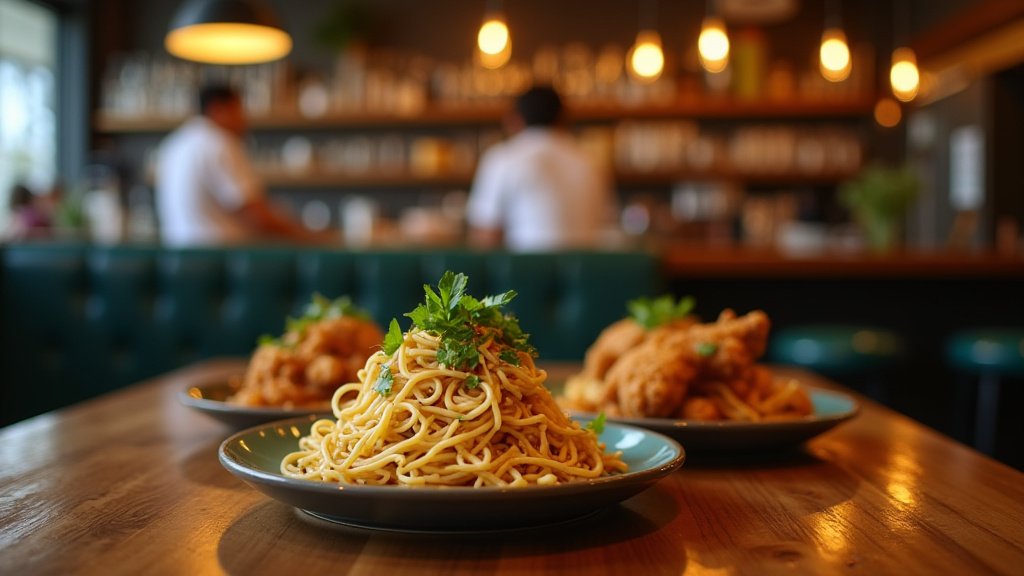
OK Chicken and Khao Soi represent this modern shift. Both establishments have eschewed the white-tablecloth approach in favor of environments that prioritize the craft of cooking. By focusing on specific, high-execution dishes—the crispy, perfectly seasoned textures of OK Chicken and the complex, aromatic balancing act of a classic Khao Soi—these restaurants have proven that niche expertise is the ultimate luxury in 2026.
The ‘NYT Effect’: Quantifying Reputation
The ‘NYT Effect’ is a well-documented phenomenon in the restaurant industry. When a publication with the reach of The New York Times highlights an establishment, the immediate aftermath is often a mix of celebration and operational stress. Historically, restaurants featured on such lists see reservation books fill up months in advance within 48 hours of the announcement.
For OK Chicken and Khao Soi, the challenge will be scaling their output without compromising the quality that earned them the spot. The owners must now navigate the logistical hurdles of increased volume, supply chain strain, and the pressure of meeting heightened expectations from a global clientele. However, data suggests that the long-term benefits—increased brand equity, higher talent retention, and stable year-round revenue—far outweigh the temporary strain of the post-publication surge.
Authenticity as a Driving Force
One of the most compelling aspects of this year’s selection is the celebration of immigrant-owned and heritage-rooted businesses. The success of Khao Soi, in particular, speaks to the American palate’s increasing sophistication regarding Southeast Asian cuisine. Consumers are no longer seeking ‘fusion’ or watered-down interpretations; they are seeking regional accuracy.
By elevating these two Southeast Portland spots, the Times is sending a signal to the broader culinary industry: the future of dining is not found in sterile, high-concept kitchens but in the authentic, labor-intensive traditions passed down through generations. This is a rejection of the ‘cookie-cutter’ restaurant model. It favors the ‘passion project’ that has been refined through years of daily service, repetition, and intimate knowledge of the food being prepared.
Beyond the Hype: The Economic Ripple
The ripple effects of this recognition extend well beyond the walls of the two restaurants. Southeast Portland, already a vibrant hub for the city’s nightlife and dining, will likely see an uptick in ancillary business. From nearby bars and specialty markets to the hospitality and service sectors, the ‘halo effect’ of this NYT feature will inject renewed economic vitality into the surrounding neighborhoods.
When a city is recognized for its food, it becomes a magnet for ‘culinary tourism’—travelers who plan entire itineraries around reservations. This development strengthens Portland’s broader tourism strategy, allowing the city to compete with food hubs like New York, Los Angeles, and Chicago. It suggests that while the industry faces labor shortages and inflation-related costs, there is still immense value and profit potential in delivering a truly superior, memorable dining experience.
FAQ: People Also Ask
Q: What is the ‘NYT 50 Best’ list and why is it important?
A: The New York Times ’50 best places to get an unforgettable meal’ is an annual editorial project that highlights restaurants across the U.S. based on quality, innovation, and atmosphere. Its importance lies in its ability to drive national awareness and create instant cultural capital for the featured establishments.
Q: How does this recognition affect Portland’s tourism?
A: Such high-profile recognition usually acts as a catalyst for culinary tourism, drawing visitors who want to experience the specific locations identified by national critics, thereby boosting local hospitality revenue.
Q: Are OK Chicken and Khao Soi high-end or casual?
A: Both establishments are generally categorized as casual, chef-driven spots. Their inclusion on the list highlights a broader trend where the industry values culinary excellence and authenticity over traditional luxury dining formalities.
Q: What are the risks of being named to such a high-profile list?
A: The primary risks include ‘overnight burnout’ from extreme spikes in demand, the potential loss of the ‘local gem’ atmosphere, and the logistical difficulty of maintaining high quality during rapid scaling or increased customer volume.