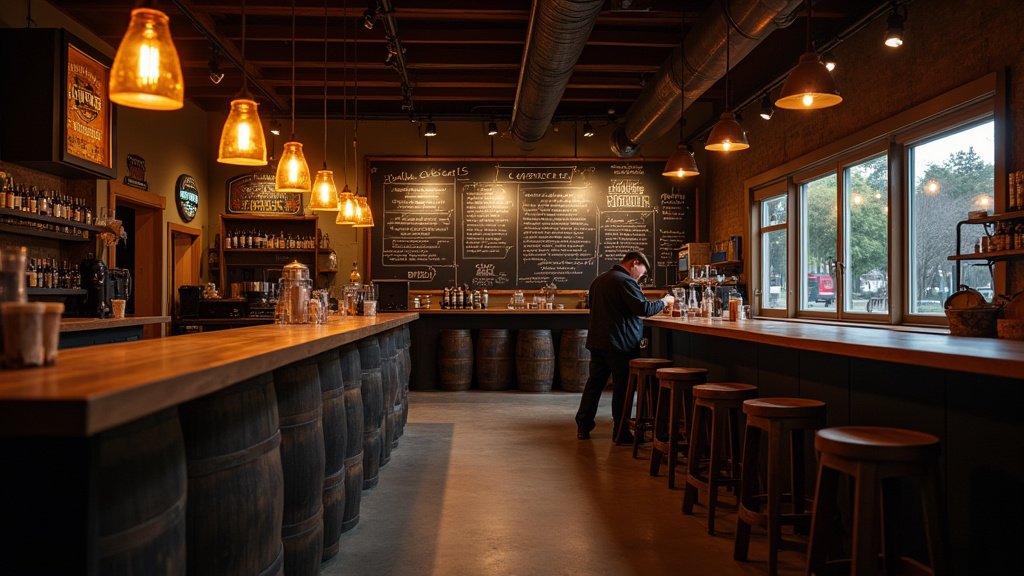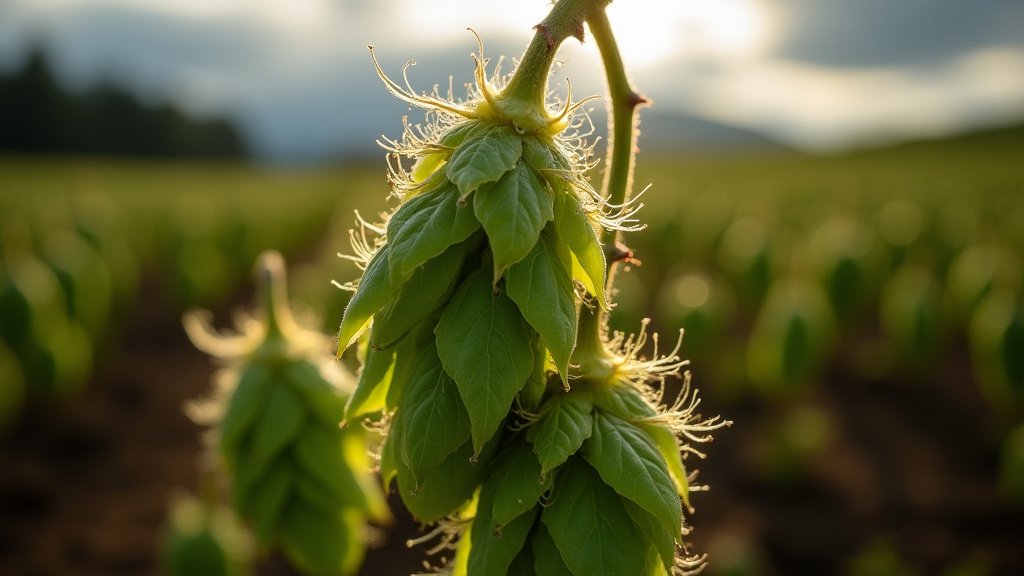
Oregon’s craft beer scene is buzzing with the announcement of the Homegrown 2026 Collaboration, a project uniting local breweries to celebrate the state’s renowned hop and yeast varieties. This initiative aims to highlight the unique terroirs of Oregon and foster a deeper appreciation for the ingredients that define its award-winning ales and lagers.
Key Highlights:
- Collaborative Spirit: Multiple Oregon breweries are joining forces for a unified brewing project.
- Ingredient Focus: The collaboration centers on showcasing locally sourced hops and distinct yeast strains from the region.
- Terroir Celebration: The project aims to highlight the unique environmental factors (terroir) that contribute to Oregon’s distinct beer flavors.
- Consumer Engagement: Expected to drive interest and appreciation for locally produced craft beer.
Brewing a Legacy: The Oregon Homegrown 2026 Collaboration
The Oregon Homegrown 2026 Collaboration represents a significant moment for the state’s vibrant craft beer industry. By pooling resources and expertise, participating breweries are set to release a series of limited-edition beers that are deeply rooted in the Pacific Northwest’s agricultural bounty. This project is more than just a series of brews; it’s a testament to Oregon’s commitment to agricultural innovation and its status as a premier destination for hop cultivation and craft beer production. The initiative emphasizes the importance of ‘terroir’ – the environmental factors like soil, climate, and water that influence the character of agricultural products, in this case, hops and yeast.
The Genesis of Collaboration
The idea for the Homegrown 2026 Collaboration emerged from discussions among Oregon’s leading brewers and hop farmers. The shared goal was to create a project that not only produced exceptional beer but also educated consumers about the intricate relationship between the land and the final product. Organizers emphasized that the collaboration would provide a platform for lesser-known hop varietals and unique yeast lineages to gain wider recognition, potentially inspiring future brewing innovations. The selection of 2026 as the project year signifies a forward-looking approach, aiming to establish a benchmark for future collaborative efforts and to mark a specific period of innovation in Oregon’s brewing history.
Championing Local Terroir
Central to the Homegrown 2026 Collaboration is the celebration of Oregon’s unique growing conditions. The state’s Willamette Valley, in particular, is world-renowned for its high-quality hops, including varietals like Cascade, Centennial, and Willamette hops. Beyond hops, Oregon also boasts a rich diversity of native and cultivated yeast strains, each contributing distinct flavor profiles—from fruity esters to spicy phenols. Brewers involved in the project are experimenting with these local ingredients, aiming to capture the essence of Oregon in every pint. This focus on local sourcing not only supports the state’s agricultural economy but also ensures a traceable and authentic ingredient story for consumers.
Economic and Cultural Impact
The economic implications of the Homegrown 2026 Collaboration are substantial. By promoting local agriculture and the craft beverage sector, the project is expected to boost tourism, support local farmers, and create jobs within the brewing industry. Culturally, it reinforces Oregon’s identity as a hub for culinary and beverage innovation, attracting both national and international attention. The collaborative nature of the project also strengthens community ties among breweries, fostering a spirit of shared success and mutual support rather than competition. This shared endeavor is anticipated to set a new standard for industry cooperation, potentially influencing how craft breweries across the country approach ingredient sourcing and product development.
FAQ: People Also Ask
What is the significance of the year 2026 for the Oregon Homegrown Collaboration?
The year 2026 was chosen to signify a forward-looking initiative, aiming to establish a benchmark for future collaborative efforts and to mark a specific period of innovation in Oregon’s brewing history.
How does ‘terroir’ apply to beer production?
Terroir in beer refers to the environmental factors such as soil, climate, water, and topography that influence the quality and character of the ingredients, primarily hops and barley, and in some cases, even the water used in brewing.
Which Oregon hop varietals are likely to be featured?
While specific varietals will be chosen by participating breweries, Oregon is renowned for Cascade, Centennial, Willamette, and Liberty hops, among others. The collaboration is expected to highlight both popular and perhaps some lesser-known local varieties.
What role do yeast strains play in this collaboration?
Yeasts are crucial as they ferment the sugars in the wort to produce alcohol and carbonation, but they also impart a wide range of aromatic and flavor compounds. The collaboration will emphasize unique Oregon-sourced yeast strains to contribute distinct flavor profiles to the final beers.
Can consumers expect to purchase these collaborative beers?
Yes, the intention of the Homegrown 2026 Collaboration is to produce and release a series of limited-edition beers available to consumers, celebrating the local ingredients and collaborative spirit.