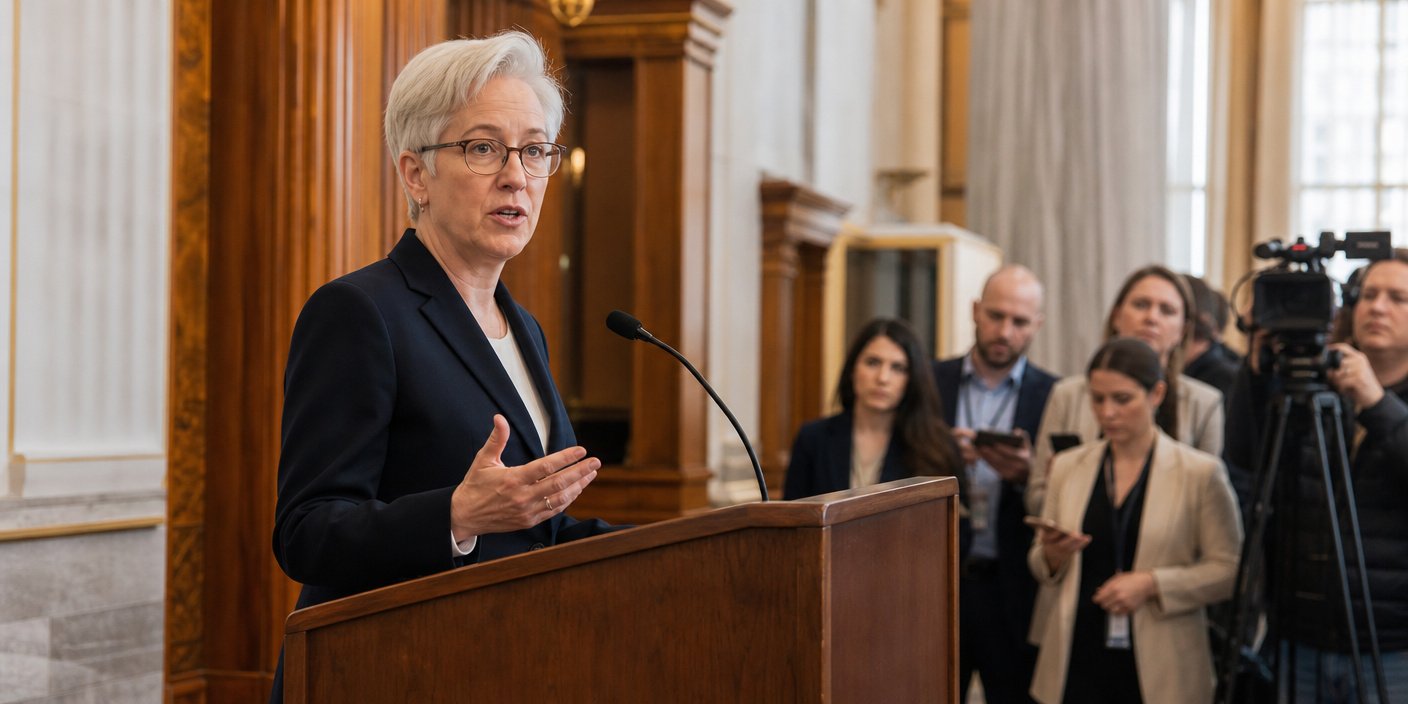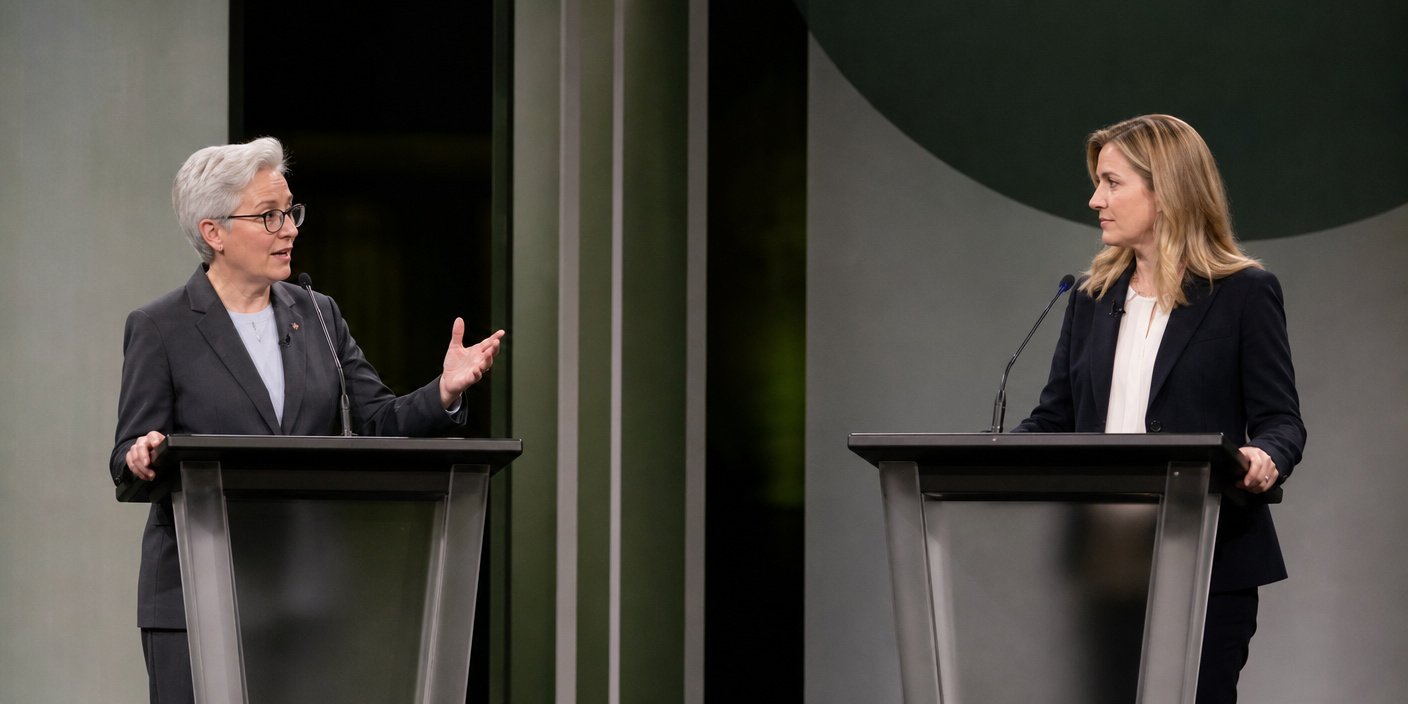
Oregon’s political future takes center stage tonight as incumbent Governor Tina Kotek and Republican challenger Christine Drazan meet for their first live debate of the 2026 election cycle. The event, held at the University of Oregon, is scheduled to begin promptly at 6 p.m. PT. With both candidates vying for the state’s highest office, this encounter represents a pivotal moment for voters, offering a clear opportunity to weigh contrasting visions for the state’s economy, education, and public safety. As the stream goes live, the political atmosphere in the Pacific Northwest intensifies, focusing attention on the specific policy maneuvers that will define the coming campaign season.
Key Highlights
- Event Schedule: The debate begins tonight at 6 p.m. PT at the University of Oregon.
- The Contenders: Incumbent Governor Tina Kotek faces off against Republican challenger Christine Drazan.
- Strategic Importance: This is the first live debate of the 2026 election cycle, co-sponsored by multiple regional media outlets.
- Voter Access: The event will be streamed live, ensuring broad accessibility for citizens across the state to witness the arguments firsthand.
The Battle for the Governor’s Mansion
The 2026 Oregon gubernatorial race is rapidly evolving, and tonight’s debate at the University of Oregon serves as the unofficial kickoff for the campaign’s high-visibility phase. For Governor Tina Kotek, the evening is an opportunity to defend her administration’s record and articulate a platform for continuity. For Christine Drazan, the Republican challenger, the debate provides a critical platform to contrast her policy solutions with the current trajectory of the state, particularly regarding legislative priorities and economic governance.
Defining the Policy Divide
Debates of this caliber are rarely just about individual performance; they are fundamental tests of party platforms. In Oregon, the discourse has centered heavily on how to manage the state’s rapid growth while simultaneously addressing deep-seated concerns over housing affordability and public safety.
Governor Kotek’s team is expected to emphasize the importance of her existing initiatives, arguing that consistent leadership is necessary to bring complex long-term projects to fruition. Conversely, Drazan’s campaign is likely to adopt a sharp focus on the cost-of-living crisis, aiming to frame current state spending and regulatory oversight as barriers to prosperity for the average Oregonian. The structural difference in these approaches offers voters a distinct choice, and tonight’s stage will force both candidates to move beyond prepared talking points and address the granular realities of their proposed budgets and legislative strategies.
The Role of Regional Media Sponsorship
One of the more unique aspects of tonight’s event is the collaborative nature of its organization. The debate is co-sponsored by several regional media outlets, a detail that is significant for the tone and focus of the evening. Unlike nationally televised debates, which often prioritize soundbites and viral moments, regional sponsorship typically necessitates a deeper dive into local issues—specifically those affecting the Willamette Valley, the coast, and rural Oregon.
By involving regional journalists in the moderation process, the organizers are signaling that the debate will likely bypass national political tropes in favor of inquiries specifically tailored to the unique economic and social fabric of the state. This increases the pressure on both Kotek and Drazan, as they cannot simply rely on generic partisan rhetoric; they must demonstrate a nuanced understanding of state-specific challenges, from forest management policies to regional infrastructure funding.
The Strategic Stakes of the 6 P.M. Stream
Starting at 6 p.m. PT is a strategic decision that reflects the changing media consumption habits of the Oregon electorate. By streaming the event live, the organizers are bypassing traditional broadcasting limitations, allowing for a broader, digital-native audience to tune in in real-time. For a race that is expected to be closely contested, this accessibility is vital.
Political analysts view this moment as the “calm before the storm.” While initial polling often sets the narrative, live debates are the first point of contact where undecided voters—particularly those in suburban swing districts—can evaluate the candidates’ temperament and responsiveness under pressure. A single mistake, a stumble on a policy detail, or an inability to pivot during a heated exchange can result in lasting damage that ripples through the remainder of the 2026 election cycle. Consequently, both candidates have spent weeks in intense debate preparation, focusing on closing statements, rebuttal techniques, and the ability to pivot discussions back to their strongest campaign themes.
Examining Voter Sentiment and Economic Impact
The economic narrative remains the primary driver of voter sentiment. Oregonians are grappling with inflation, housing shortages, and a complex labor market. The debate will likely feature sharp exchanges on how the state should leverage its budget surplus or manage economic downturns.
For incumbent Governor Kotek, the focus will be on demonstrating that the state is on the right track, pointing to legislative victories during her term. Her challenge is to acknowledge the valid frustrations of voters without appearing out of touch. Drazan, on the other hand, faces the challenge of presenting a credible alternative without appearing overly critical of the state’s fundamental institutions. Her path to victory relies on capturing the “middle ground” voters who are dissatisfied with the status quo but cautious of radical policy shifts. Tonight’s debate is the first true test of whether either candidate can build that coalition.
FAQ: People Also Ask
Q: How can I watch the Oregon gubernatorial debate live?
A: The debate will be streamed live beginning at 6 p.m. PT. Viewers can access the stream through the official channels of the co-sponsoring regional media outlets.
Q: Why is the University of Oregon hosting this debate?
A: The University of Oregon often serves as a neutral, academic venue for high-level political discourse, providing the necessary infrastructure to host a broadcast-quality debate while engaging the student body and the academic community in the political process.
Q: What are the main issues expected to be discussed?
A: While the candidates’ specific agendas are expansive, voters should expect significant dialogue regarding housing affordability, public safety, state economic recovery, and education funding strategies.
Q: Is this the only debate scheduled for the 2026 cycle?
A: This event marks the first live debate of the 2026 election cycle. It is expected that additional debates will be scheduled as the campaign progresses toward the final voting period.