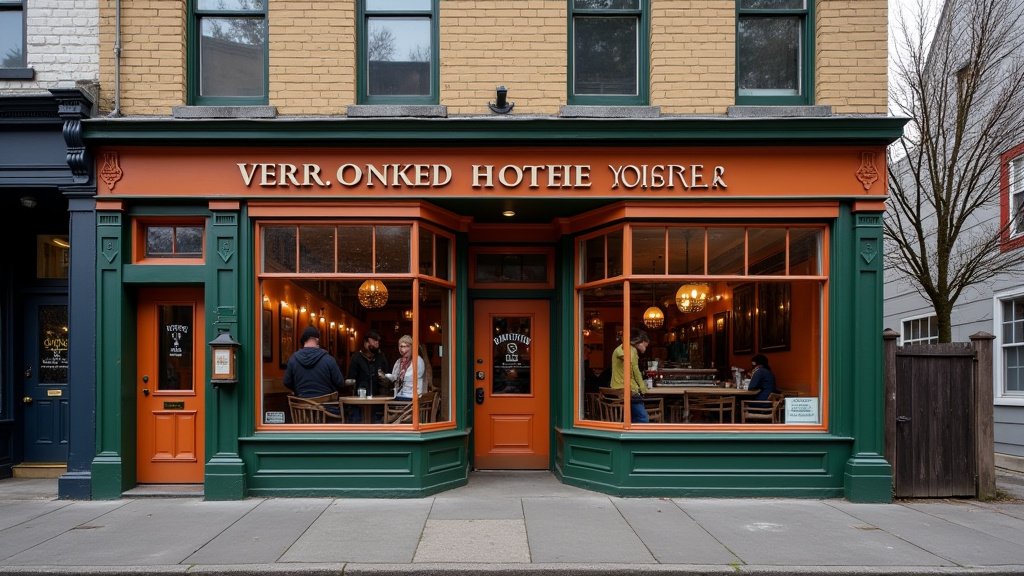
Erik Mahan, the proprietor behind the well-regarded Tinker Tavern, is officially expanding his presence in the Portland hospitality sector. The new venue, Foxchase Tavern, is slated for 3000 NE Killingsworth St. This expansion represents a strategic move by Mahan to transplant his proven neighborhood-focused business model—which emphasizes accessibility, community engagement, and a specific stylistic commitment to local tavern culture—into a new geography within the city. The project signifies not just the opening of a new establishment, but the intentional scaling of a hospitality format that has demonstrated consistent success in Portland’s competitive service industry.
The Blueprint of Success
At the core of the Foxchase Tavern project is the operational DNA established at Tinker Tavern, located at 6038 SE Foster Road. Mahan’s strategy has relied on a specific set of principles: prioritizing the neighborhood experience over destination-style attractions, maintaining a balanced menu that caters to locals rather than tourists, and fostering an environment that encourages repeat patronage. By replicating the Tinker Tavern format, Mahan is betting that the demand for authentic, unpretentious neighborhood gathering spaces remains high in Portland.
This “neighborhood-first” approach is particularly relevant in the current economic climate, where independent tavern operators face increasing overhead costs and competitive pressure from larger groups. By focusing on operational efficiency and a standardized service model, Mahan aims to minimize the risks typically associated with launching a new hospitality brand. The replication of his successful model is a pragmatic response to these industry pressures, allowing for a more predictable and sustainable business outcome.
Killingsworth’s Evolving Corridor
The selection of 3000 NE Killingsworth St is a calculated geographic decision. This stretch of Northeast Portland has undergone significant shifts in zoning, traffic patterns, and demographic density over the past decade. As the city continues to densify, corridors like Killingsworth have become increasingly vital for independent commercial ventures.
Unlike high-traffic tourist districts that rely on transient visitors, Killingsworth functions as a primary arterial route for surrounding residential neighborhoods. By anchoring Foxchase Tavern in this location, Mahan is positioning the business to capture a consistent, localized customer base. The economic impact of such a project extends beyond the tavern itself; new hospitality businesses often serve as focal points for neighborhood activity, potentially increasing foot traffic and bolstering the overall commercial vibrancy of the immediate vicinity.
The Economics of Independent Tavern Operations
Opening a new tavern in Portland involves navigating a complex ecosystem of liquor licensing, health department regulations, and labor market volatility. The transition from one successful location to a second necessitates a transition from “founder-led” management to a more scalable operational structure. Mahan’s ability to manage this transition while maintaining the “neighborhood feel” of the original brand will be the defining challenge of the Foxchase launch.
Furthermore, the independent sector of the Portland service industry often faces razor-thin margins. To succeed, Foxchase Tavern will likely need to leverage economies of scale—sharing vendors, training protocols, and perhaps even staffing efficiencies with Tinker Tavern. This collaborative operational structure is becoming a standard tactic for Portland restaurateurs looking to protect their margins while continuing to expand their footprint.
Scaling Intimacy in a Modern Market
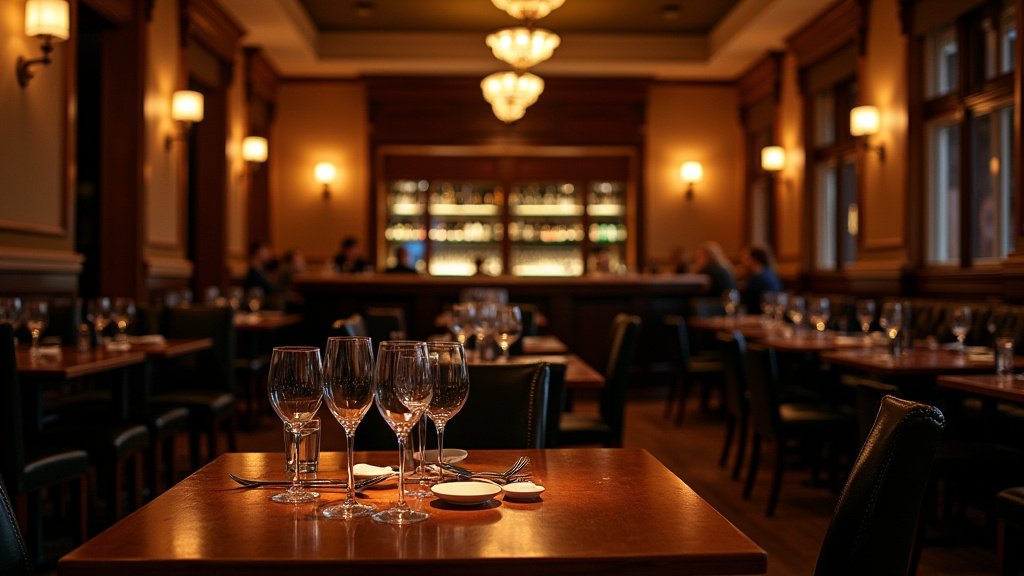
Perhaps the most compelling aspect of this development is the contradiction inherent in “scaling intimacy.” How does an operator maintain the specific, lived-in character of a local pub when moving to a new space? The strategy often involves a rigorous commitment to spatial design—preserving the visual cues, lighting schemes, and material palettes that defined the initial success. For Foxchase, the expectation is that the interior design will mirror the warmth and familiarity of Tinker Tavern, providing a sense of continuity for the local community.
As Portland continues to evolve, the resilience of the neighborhood tavern will be tested. Will operators be able to maintain this delicate balance, or will the demands of scaling eventually force a dilution of the very qualities that made the original venues successful? With Foxchase Tavern, Erik Mahan is positioning himself at the center of this experiment, signaling that he believes the neighborhood-focused tavern remains the most viable model for the future of Portland’s local hospitality scene.