Tensions in the Middle East have reached a critical juncture as Iran and Israel have engaged in direct retaliatory strikes, raising fears of a wider regional conflict. Concurrently, Europe has outlined conditions for potential peace talks with Russia regarding the ongoing conflict in Ukraine.
Key Highlights:
- Iran launched a significant drone and missile attack on Israel.
- Israel responded with strikes targeting sites within Iran.
- European nations have presented a unified stance on the prerequisites for engaging in negotiations with Russia over Ukraine.
- The escalating tensions in the Middle East threaten to destabilize the broader region.
- International bodies are urging for de-escalation and diplomatic solutions.
Escalation in the Middle East: A Dangerous New Phase
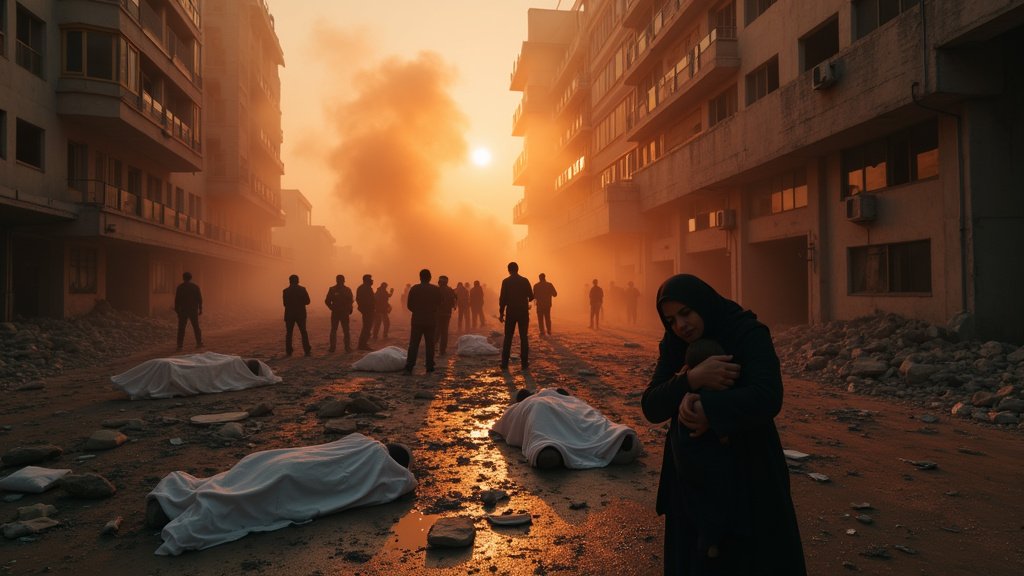
The latest exchanges between Iran and Israel mark a dangerous escalation, moving beyond the previous shadow war to direct, albeit reportedly limited, strikes. Iran’s unprecedented direct attack, involving hundreds of drones and missiles, was largely intercepted by Israel and its allies. However, Israel’s subsequent retaliatory strike, reportedly targeting an airbase near Isfahan, signals a willingness to hit Iranian soil directly. This tit-for-tat escalation has sent shockwaves across the globe, with international leaders calling for maximum restraint to prevent a catastrophic regional war. The implications for global oil markets and shipping routes in the vital Strait of Hormuz are particularly concerning.
Regional Ramifications and Global Concerns
The direct strikes raise the specter of a wider conflict, potentially drawing in other regional actors and further destabilizing an already volatile Middle East. The international community, including the United Nations Security Council, has been scrambling to manage the crisis, with calls for an immediate ceasefire and a return to diplomacy. The economic fallout could be severe, impacting energy supplies and global trade. The involvement of proxy groups in the region, such as Hezbollah in Lebanon and Houthi rebels in Yemen, adds further complexity and risk.
Iran’s Strategic Calculations
Iran’s decision to launch a direct attack was reportedly in retaliation for a suspected Israeli strike on its consulate in Damascus, which killed senior IRGC commanders. While Iran’s stated aim was to punish Israel, the scale and nature of the response may have been calibrated to avoid a full-blown war, given Israel’s advanced air defense capabilities and potential for a devastating counter-response. The regime’s internal political dynamics and its regional ambitions likely played a significant role in this strategic calculation.
Israel’s Response and Defense Capabilities
Israel’s successful interception of Iran’s attack, aided by the United States, the UK, France, and Jordan, highlighted the strength of its air defense systems, including the Iron Dome. However, the retaliatory strike demonstrates Israel’s resolve to respond forcefully to perceived threats, even at the risk of further escalation. Prime Minister Benjamin Netanyahu faces immense pressure to respond decisively while avoiding actions that could lead to a wider war and significant casualties.
Europe’s Stance on Ukraine Peace Talks
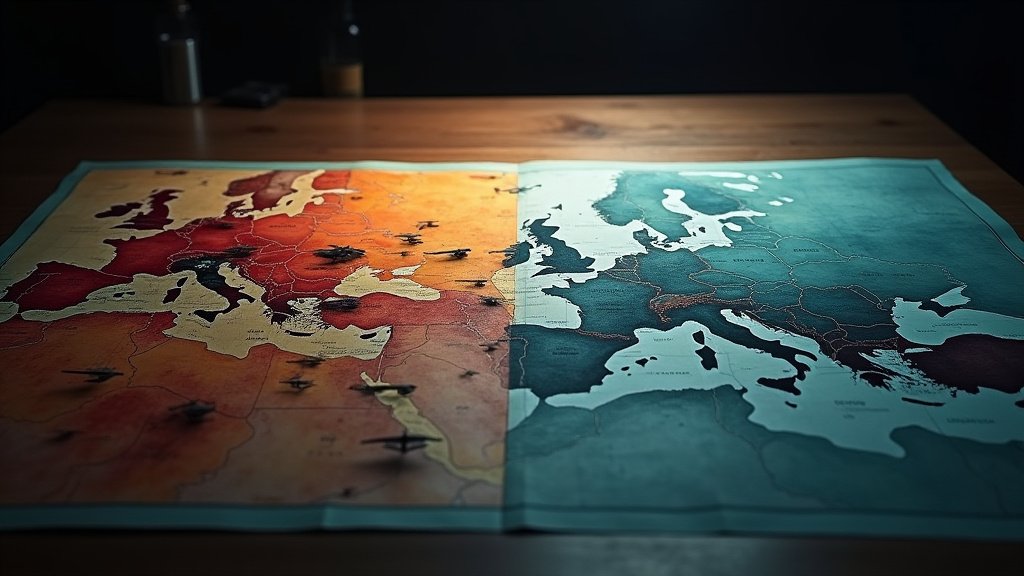
In parallel to the Middle East crisis, European nations have presented a more unified front regarding the conditions for peace talks with Russia concerning the war in Ukraine. While the specifics of these terms remain closely guarded, reports suggest they center on respecting Ukraine’s sovereignty and territorial integrity, and potentially a phased approach to negotiations.
Key Conditions for Dialogue
European leaders have reiterated that any meaningful dialogue must be based on international law and a commitment to ending the occupation of Ukrainian territories. The aim is to establish a framework that could eventually lead to a sustainable peace, but without compromising Ukraine’s fundamental rights and borders. This unified approach aims to present a strong diplomatic signal to Moscow.
The Broader Geopolitical Context
The European initiative for Ukraine peace talks occurs against a backdrop of ongoing military support for Kyiv from Western allies and continued Russian offensives. The success of any diplomatic endeavor will heavily depend on the evolving military situation on the ground and the willingness of both sides to make concessions. The Middle East crisis also adds a layer of complexity, potentially diverting international attention and resources.
FAQ: People Also Ask
What are the main concerns following the Iran-Israel strikes?
The primary concerns include the risk of a full-blown regional war, potential disruption to global energy supplies and shipping routes, and the further destabilization of the Middle East. International bodies are also worried about a humanitarian crisis.
What are the conditions Europe has set for Ukraine peace talks?
While not fully disclosed, the reported conditions emphasize Ukraine’s sovereignty and territorial integrity as paramount. Any talks are expected to be based on international law and may involve a phased approach to negotiations.
How are other countries reacting to the Iran-Israel escalation?
Most countries have called for de-escalation and urged all parties to exercise maximum restraint. Many have offered to mediate or support diplomatic efforts to prevent further conflict.
What is the current state of the conflict in Ukraine?
The conflict remains active, with ongoing fighting and significant territorial claims by both sides. Western nations continue to provide substantial military and financial aid to Ukraine.
What is the Strait of Hormuz and why is it important?
The Strait of Hormuz is a vital chokepoint for international oil and gas shipments, connecting the Persian Gulf to the open ocean. Any disruption there can have immediate and severe consequences for global energy markets.