Portland’s 13th annual FashioNXT Week has officially concluded its three-day showcase at the One Financial Center, marking a significant milestone in the evolution of Pacific Northwest creative design. As the curtains close on this year’s iteration, the event once again proved that Portland sits at the vanguard of the global fashion-tech ecosystem, blending experimental textile engineering with avant-garde runway aesthetics.
Key Highlights
- Dates and Venue: The event took place October 8–10, 2026, occupying the architecturally distinct One Financial Center in downtown Portland.
- 13th Anniversary: This year marked the 13th year of FashioNXT, establishing it as a long-standing pillar of the regional creative economy.
- Tech-Fashion Intersection: The showcase focused heavily on smart fabrics, digital projection mapping on apparel, and sustainable manufacturing processes.
- Regional Impact: Designers from across the Pacific Northwest utilized the platform to debut collections that prioritize eco-conscious production methods alongside high-tech integration.
The Evolution of the Digital Runway
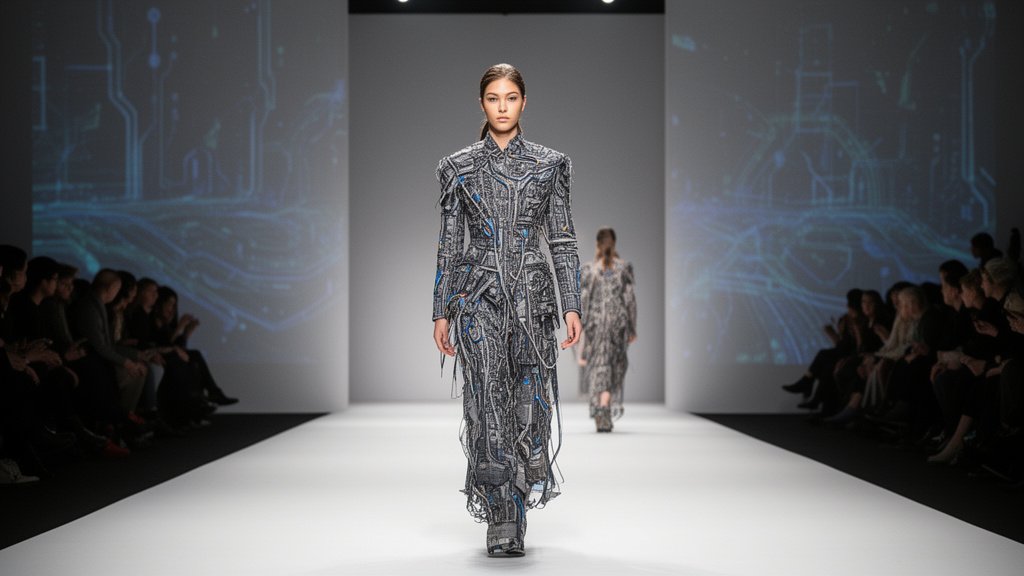
FashioNXT 2026 was not merely a display of seasonal trends; it was a laboratory for the future of wearable utility. Over the three days at the One Financial Center, the event demonstrated how Portland is moving beyond the traditional constraints of ready-to-wear fashion. The runway experience was transformed into an immersive, multi-sensory environment, utilizing AR (Augmented Reality) displays that allowed attendees to view digital overlays on physical garments in real-time.
The Intersection of Silicon and Stitch
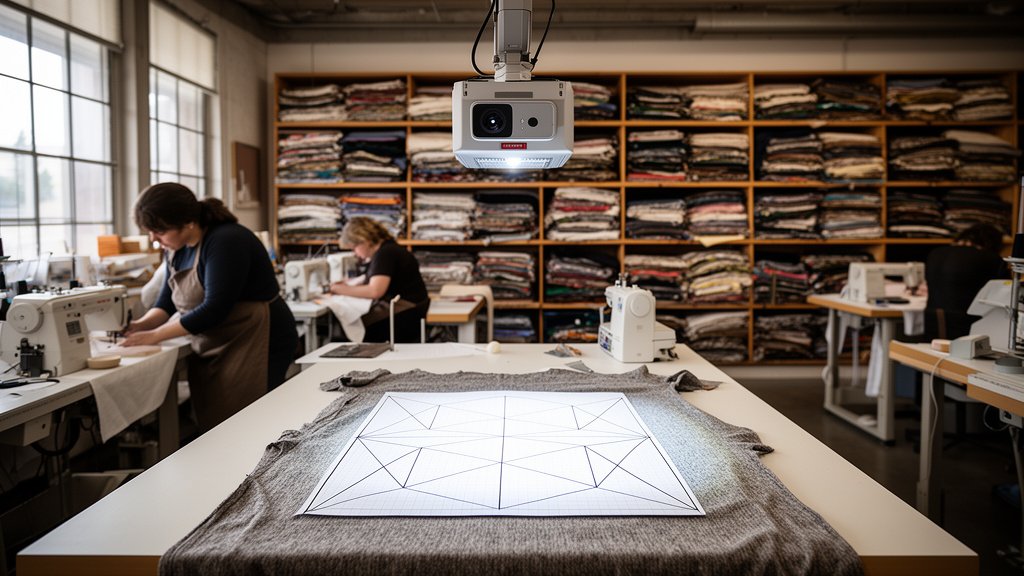
This year’s showcase highlighted a growing trend in the fashion industry: the seamless integration of functional technology. Designers participating in FashioNXT have increasingly moved away from gimmicky “smart” wearables—devices strapped to the wrist—and toward “embedded intelligence.” During the presentations, we saw garments constructed from adaptive fabrics that react to environmental changes, such as temperature-regulating polymers and conductive thread patterns that allow for haptic feedback.
This is the core identity of FashioNXT. By positioning itself as a tech-forward counterpoint to traditional fashion weeks in New York or Paris, Portland is attracting a specific type of visionary: the technologist-designer. These creators are not just concerned with silhouettes; they are optimizing for the lifecycle of a garment, digital connectivity, and the environmental impact of textile waste.
Architectural Synergy at One Financial Center
The choice of the One Financial Center as the venue provided a stark, minimalist backdrop that complemented the futuristic nature of the collections. The building’s clean, modern lines acted as a canvas for the lighting installations and digital art accompanying the runway walks. Unlike the ornate, historical venues often associated with high-fashion, the One Financial Center’s corporate-meets-modern aesthetic grounded the event in the realities of Portland’s business and tech sectors. It served as a reminder that fashion in the Pacific Northwest is an industry rooted in commerce, innovation, and technical viability.
Sustainable Innovation and Material Science
One of the most compelling narratives emerging from the 2026 event was the emphasis on sustainable material science. A significant portion of the showcase was dedicated to bio-fabricated textiles. Designers highlighted the use of mushroom-based leathers and lab-grown silk alternatives that require significantly fewer water resources than traditional livestock-based fabrics.
For the Portland creative community, sustainability is not a buzzword—it is a competitive requirement. FashioNXT 2026 emphasized the “cradle-to-cradle” design philosophy, where every component of the garment is designed to be disassembled or recycled. This is the new gold standard for the modern label, and Portland-based designers are leveraging this approach to gain market share in the increasingly conscious global luxury sector.
The Economic Ripple Effect
What is the broader impact of FashioNXT on the regional economy? Beyond the spectacle of the runway, the event functions as a networking hub for venture capitalists, textile engineers, and retail buyers. The “innovation-focused” nature of the event acts as a magnet for outside investment, signaling to the world that Portland is a viable city for fashion startups. With the conclusion of the 13th annual week, local analysts project a steady uptick in collaborative partnerships between PNW-based tech firms and boutique design houses, further cementing the city’s role in the creative supply chain.
Looking toward 2027, the challenge for FashioNXT will be to scale while maintaining the hyper-focused, tech-centric identity that has made it a success. The trajectory is clear: the divide between technology and style is closing, and Portland is at the center of that convergence.
FAQ: People Also Ask
Q: What is the primary purpose of FashioNXT Week?
A: FashioNXT aims to showcase the intersection of fashion and technology. It serves as a launchpad for designers who utilize modern tech—such as smart textiles, AI, and sustainable material science—in their collections, distinguishing it from traditional “ready-to-wear” fashion shows.
Q: Why is FashioNXT important for Portland?
A: It strengthens Portland’s economic position in the creative and tech industries, providing a platform that attracts talent, investment, and media attention to the Pacific Northwest’s unique approach to design and manufacturing.
Q: Was FashioNXT 2026 open to the public?
A: Yes, the event allowed for industry professionals, media, and the public to attend. It was structured as a three-day showcase, providing various levels of access to the runway shows, innovation labs, and networking sessions held at the One Financial Center.
Q: What were the key fashion trends observed at the 2026 event?
A: The main trends focused on functional sustainability (bio-materials), high-tech integration (embedded sensors, haptic fabrics), and minimalist, tech-inspired silhouettes that mirror the modern architectural environment.