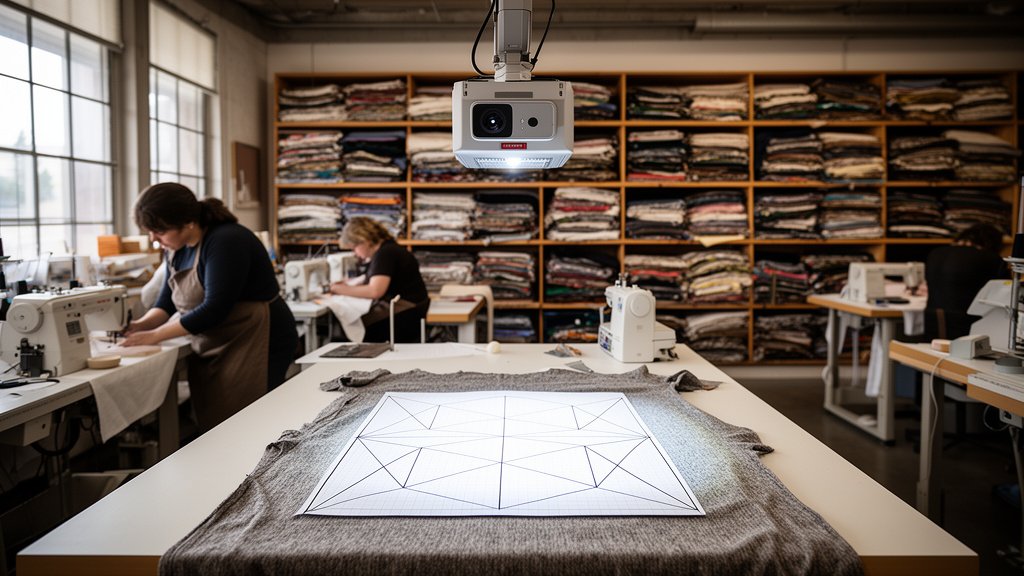
The landscape of downtown Bend is shifting as The Fashion Workshop, a forward-thinking nonprofit organization, officially opens its doors to the public. This debut brick-and-mortar location represents more than just a retail space; it is a dedicated sewing studio designed to combat the growing environmental crisis of fast fashion by providing the tools, space, and resources needed for community-led upcycling. By offering public access to professional-grade sewing machines, advanced pattern projectors, and a curated library of donated fabrics, the organization is positioning itself as a vital educational and creative hub for Central Oregon.
Key Highlights
- Community-Centric Sustainability: The Fashion Workshop operates as a nonprofit, prioritizing skill-sharing and textile waste reduction over profit margins.
- Technological Access: The studio democratizes fashion design by providing high-tech equipment, including pattern projectors, which allow users to eliminate paper waste and increase precision in garment construction.
- Upcycling Focus: The center features a rotating stock of donated fabric, encouraging members to reimagine ‘waste’ into wearable art rather than purchasing new textiles.
- Downtown Presence: Located in the heart of Bend, the studio serves as a central meeting point for local artisans, hobbyists, and environmental advocates.
Weaving a Sustainable Future in Downtown Bend
The arrival of The Fashion Workshop in downtown Bend arrives at a critical juncture for both the local economy and the global movement toward sustainable apparel. For decades, the retail industry has been dominated by the ‘fast fashion’ model—a high-volume, low-cost approach that relies on rapid production cycles and cheap labor, ultimately contributing to massive textile waste in landfills worldwide. According to recent environmental reports, the fashion industry accounts for nearly 10% of global carbon emissions. The Fashion Workshop’s entry into the Bend market is a direct, localized challenge to this cycle, fostering an environment where creation is valued over consumption.
Democratizing the Tools of Creation
One of the most significant barriers to entry for sustainable sewing is the high cost of equipment and specialized tools. High-quality sewing machines, sergers, and digital design technology are often prohibitively expensive for casual enthusiasts or young creators. The Fashion Workshop is dismantling this barrier by providing open-access workstations. Among the most innovative tools available in the studio are the pattern projectors.
Traditionally, sewing requires printing large-scale paper patterns, which are cumbersome, fragile, and ultimately destined for the trash. Pattern projectors, a relatively new innovation in the home-sewing market, allow designers to project digital patterns directly onto the fabric. This technology not only saves the user hours of tedious paper cutting and assembly but also significantly reduces paper consumption. By providing this technology to the public, The Fashion Workshop is bridging the gap between professional manufacturing and home craftsmanship.
The Anatomy of an Upcycling Hub
At the core of the workshop’s mission is the concept of circularity. The space is equipped with a ‘fabric library’ composed of donated textiles. By sourcing material from thrift shops, donations, and deadstock from local businesses, the studio ensures that high-quality fibers are diverted from landfills. This approach changes the creative process for the user: rather than selecting a pattern and buying the fabric that fits it, the artist starts with the fabric itself—a practice that forces a deeper understanding of material properties, drape, and texture.
This method of ‘upcycling’ is inherently more complex than traditional manufacturing, requiring creative problem-solving and technical skill. The studio offers a space where these skills can be nurtured. Whether a user is patching a favorite pair of jeans, reconstructing a vintage dress, or creating a bespoke piece from scratch, the presence of experienced mentors and the availability of equipment provide the necessary support structure to turn creative ideas into professional-grade outcomes.
Economic and Community Impact
Beyond the environmental benefits, The Fashion Workshop provides a unique economic value to downtown Bend. In an era where digital isolation is common, the studio acts as a third space—a physical location for social interaction, skill-sharing, and community building. It provides a sanctuary for those looking to disconnect from screen-based consumption and reconnect with tactile, productive hobbies.
Furthermore, the workshop supports the ‘Right to Repair’ movement. By teaching the community how to maintain, mend, and alter their existing wardrobes, the organization is extending the lifecycle of clothing. This is not just a trend; it is a fundamental shift in how consumers interact with their possessions. As more citizens become comfortable with the basic mechanics of garment construction, the local demand for high-quality, durable goods is likely to rise, potentially influencing the broader retail environment in Oregon to prioritize longevity over disposability.
Future Predictions and Looking Ahead
As The Fashion Workshop establishes its footprint, the organization has hinted at future initiatives that include workshops on natural dyeing, advanced tailoring techniques, and collaborations with local schools to introduce textile arts to the next generation. The success of this model in Bend could serve as a blueprint for other medium-sized cities across the United States. By proving that sustainable, non-profit community studios are viable in a downtown retail environment, the workshop is setting a precedent for how municipalities can support small-scale manufacturing and circular economic models. The future of fashion, at least in Central Oregon, appears to be moving away from the assembly line and back into the studio.
FAQ: People Also Ask
1. Do I need to bring my own sewing machine to The Fashion Workshop?
No. The studio provides professional-grade sewing machines, sergers, and specialized tools, including pattern projectors, for all members to use.
2. Can I donate fabric to the studio?
The Fashion Workshop encourages donations of high-quality, clean fabric and sewing notions to support their circular design library. It is recommended to contact them directly before dropping off large quantities.
3. Are the workshops suitable for beginners?
Yes. The Fashion Workshop is designed to be an inclusive space. They cater to a wide range of skill levels, from beginners learning to thread a machine to experienced designers looking for advanced equipment and community connection.
4. How does the ‘pattern projector’ system work?
Instead of printing paper patterns, users upload digital files to the projector. The pattern is projected directly onto the fabric, allowing the user to cut around the lines, which saves time, reduces paper waste, and increases cutting precision.
5. Is the studio open to the general public?
Yes, the studio is located in downtown Bend and is open to the public. They operate on a membership or drop-in model to ensure that community members have equitable access to the equipment.