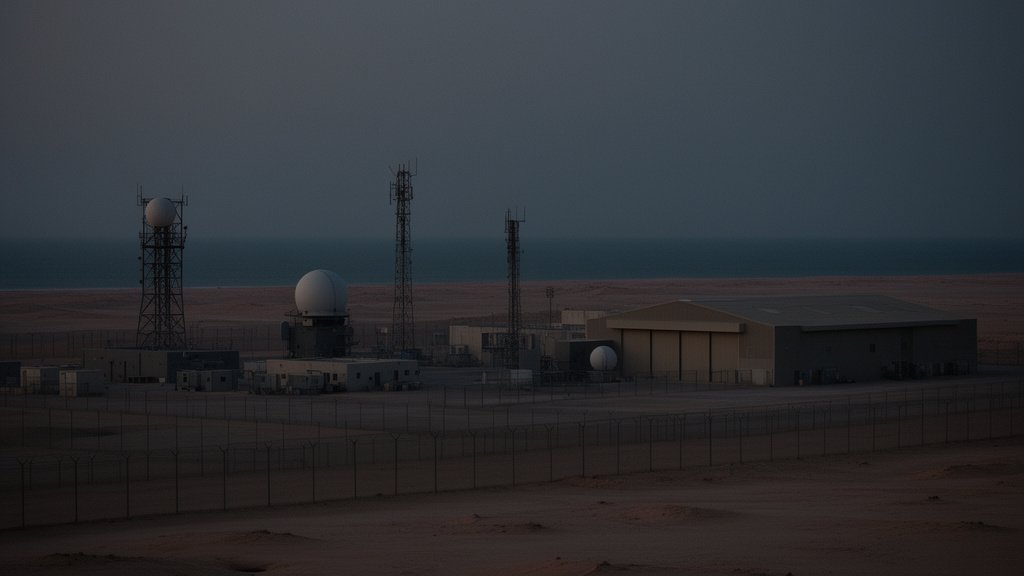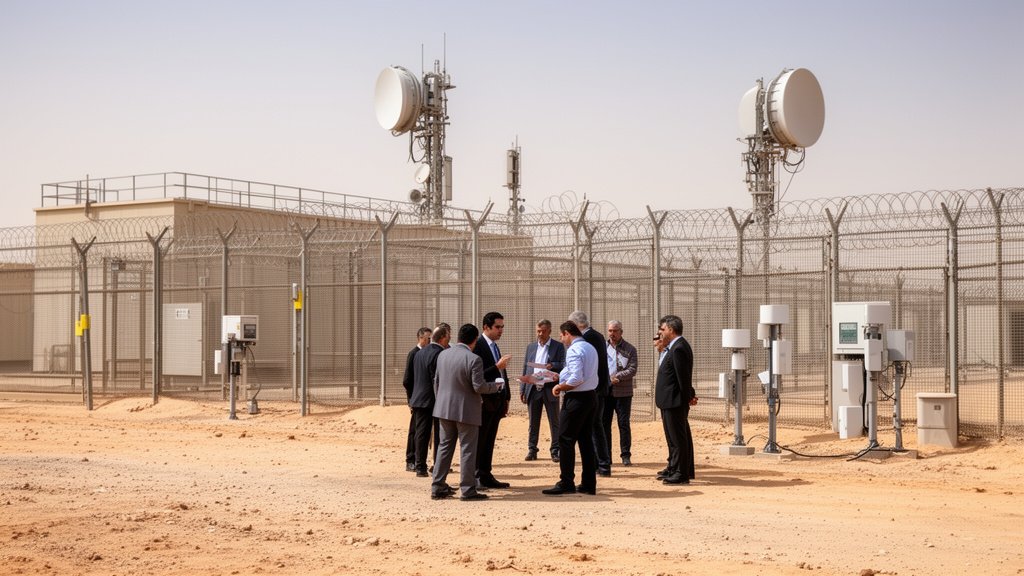
Two Italian defense technicians, employees of the German defense giant Rheinmetall, have been killed in a precision drone strike in Kuwait, an event that has triggered an immediate and volatile escalation in Middle Eastern geopolitical tensions. The attack, which targeted a secure facility, has drawn swift condemnation from Italian and Kuwaiti officials, both of whom have cited forensic evidence and militia activity patterns to point directly toward Iranian-aligned actors. Tehran, conversely, has issued an aggressive denial, dismissing the accusations as a “false flag” operation designed to destabilize the region.
Key Highlights
- Fatalities Confirmed: Two Italian nationals employed by Rheinmetall were killed in the targeted drone strike; their identities are currently being withheld pending notification of next of kin.
- Official Attribution: The Italian Ministry of Foreign Affairs and Kuwaiti security forces have officially blamed Iranian-backed militias, citing specific drone telemetry and regional activity intelligence.
- Tehran’s Denial: Iranian officials have vehemently denied any involvement, characterizing the incident as a calculated provocation and a “false flag” operation.
- Diplomatic Fallout: The incident marks a critical juncture for Italy-Iran relations, with the European nation under pressure to respond to the loss of its citizens on foreign soil.
A Fatal Breach in the Gulf
The incident occurred during a routine security operation involving Rheinmetall personnel in Kuwait, a nation that has historically maintained a delicate balance in regional security. The precision of the drone strike—an emerging hallmark of modern asymmetric warfare—suggests a high level of sophistication in targeting. Security analysts are currently examining the flight path and launch logistics of the munitions used, which appear to mirror the capabilities of loitering munitions frequently utilized by militias supported by the Islamic Revolutionary Guard Corps (IRGC).
The Rheinmetall Factor
As a prominent defense conglomerate, Rheinmetall maintains significant contracts across the Gulf Cooperation Council (GCC) states. The presence of their technicians is usually associated with maintaining radar systems, air defense hardware, or logistical support platforms. The fact that the drone successfully bypassed current perimeter defense measures to strike specific personnel is being viewed not just as a tragedy, but as a significant failure of existing security protocols. This raises pressing questions about the vulnerability of international defense contractors operating in volatile zones.
The Diplomatic Blame Game
Within hours of the strike, the Italian government, led by the Ministry of Foreign Affairs, initiated urgent consultations with Kuwaiti counterparts. The joint assessment, based on wreckage analysis and local signal intelligence, reportedly points to a launch site outside of Kuwait, with links to militant groups known to receive funding and technical guidance from Iran.
Conversely, Iran’s state media and diplomatic representatives have engaged in a rapid counter-narrative, labeling the accusations as fabrications. By employing the “false flag” terminology, Tehran is attempting to frame the strike as an inside job or a third-party instigation intended to drive a wedge between Iran and the European Union, specifically Rome. This creates a dangerous diplomatic deadlock: if Italy cannot provide unassailable proof, it risks a broader conflict based on circumstantial evidence; if it does, the threshold for retaliatory measures is significantly lowered.
Technological Asymmetry and Future Risks
This incident highlights a terrifying trend in 21st-century warfare: the democratization of high-lethal drone technology. The era of needing state-level air forces to project power is over. Non-state actors and proxy groups now possess the capability to inflict high-value casualties with relative impunity. For defense contractors like Rheinmetall, this necessitates a paradigm shift in how they protect their employees. The days of relying solely on host-nation military protection may be numbered, as the cost of securing personnel against low-cost, high-lethality drones becomes exponentially higher.
Analyzing the “False Flag” Claim
The Iranian assertion that this was a false flag operation is a common defensive posture, but in the context of recent regional maneuvers, it warrants objective scrutiny. Analysts are looking for evidence of who benefits most from the destabilization. While the death of the Italian technicians is undeniably tragic, it serves to force Italy into a more confrontational posture against Iran. Whether this aligns with the strategic interests of regional powers, or was an act of rogue militia aggression, remains the central focus of the international intelligence community. Investigating the drone’s guidance systems will be the “smoking gun” required to move beyond speculation.
FAQ: People Also Ask
1. Was this considered an act of war?
While not yet formally classified as an act of war, the killing of two EU citizens by a weapon system tied to a specific nation’s proxy network elevates this to a critical national security incident. Italy is currently evaluating its legal and diplomatic options under international law.
2. What is Rheinmetall’s specific role in Kuwait?
Rheinmetall is a leading provider of air defense, surveillance, and sensor technology. Their technicians in Kuwait were likely involved in maintaining, upgrading, or operating specialized defense platforms that protect critical infrastructure.
3. What evidence is being used to blame Iran?
Authorities are citing “drone telemetry,” which refers to the flight data, communication protocols, and unique electronic signatures emitted by the drone, as well as the operational patterns of regional militias that have historically received material support from Iranian entities.
4. How will this affect Italy-Iran relations?
The incident has created an immediate cooling of diplomatic ties. Italy is expected to demand a full, transparent inquiry, and further sanctions or a formal diplomatic reprimand from the EU is increasingly likely if Iran refuses to cooperate with an independent investigation.