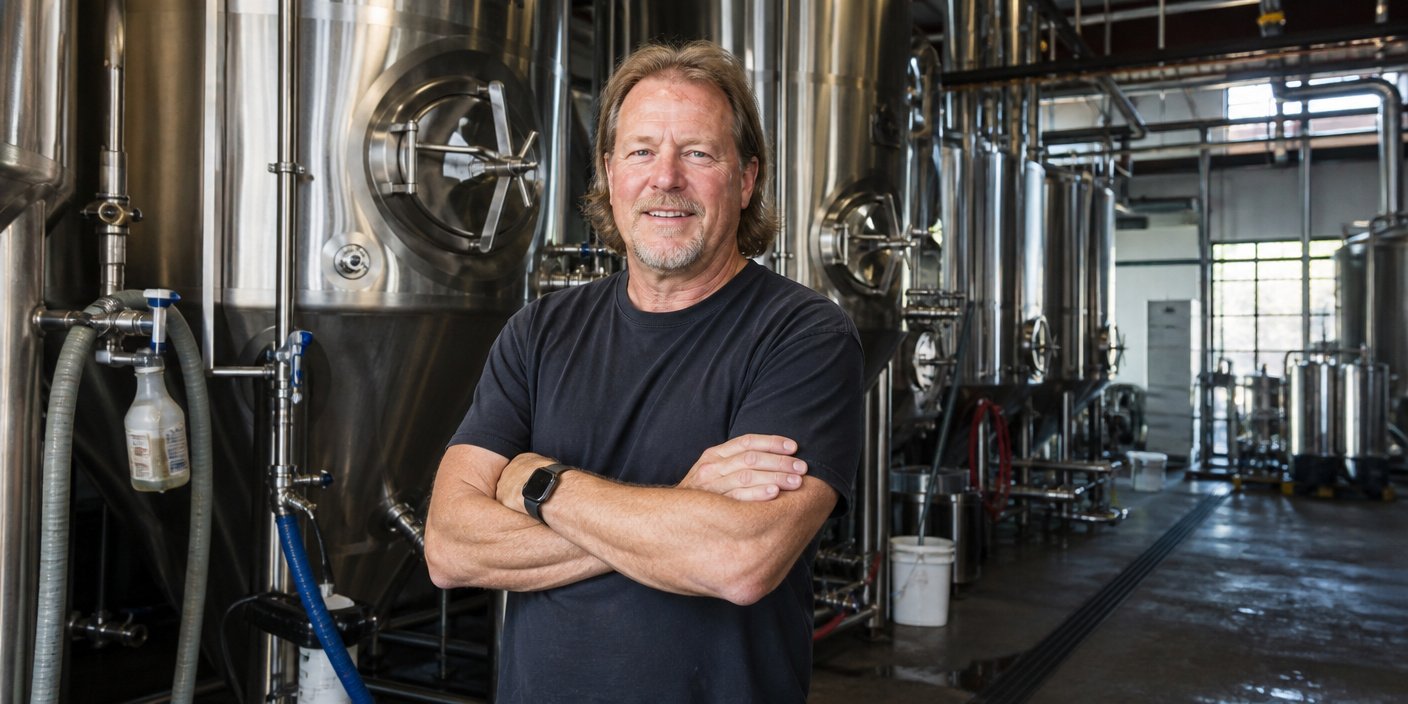
Boneyard Beer, a pillar of the Pacific Northwest craft brewing scene, has announced the closure of its popular pub location, signaling a definitive shift in the company’s business model. This strategic decision marks a return to the brewery’s foundational roots, as operations consolidate back to the original Lake Place facility in Bend, Oregon. By stepping away from the hospitality-heavy pub model, the company aims to sharpen its focus on its core identity: high-volume, high-quality craft beer production.
Key Highlights
- Strategic Pivot: Boneyard Beer is closing its pub to prioritize its production-first business model.
- Return to Roots: Operations are shifting back to the original, historic Lake Place facility.
- Industry Trend: The move reflects a broader industry trend of craft breweries right-sizing their hospitality footprint to combat rising overhead and saturation.
- Focus on Distribution: The company intends to leverage this change to double down on canning, kegging, and regional distribution, moving away from on-site taproom management.
The Strategic Pivot: Returning to the ‘Boneyard’
The decision to shutter the pub, a location that served as a central gathering spot for locals and tourists alike, is far from a sign of failure. Instead, industry analysts view this as a deliberate ‘re-tooling’ of Boneyard Beer’s operational strategy. In the highly competitive climate of the Oregon craft beer market—where saturation has forced many mid-sized players to reassess their margins—Boneyard is choosing to lean into its legacy as a production powerhouse.
The ‘Lake Place’ facility is not just a building; it is where the Boneyard legacy began. The name itself stems from the facility’s history as an auto mechanic shop, essentially a ‘boneyard’ of automotive parts. By returning its focus entirely to this location, the company is stripping away the complexities of hospitality management—staffing front-of-house, managing complex inventory for food and beverage, and navigating the cyclical nature of retail—to focus on the purity of the brewing process. This is a move toward efficiency and scale.
The Economics of the Taproom Model
In the post-pandemic era, the taproom-plus-production model has faced significant headwinds. Rising labor costs, fluctuating supply chain prices, and a more discerning consumer base have squeezed the profitability of traditional pub environments. While a pub provides excellent brand visibility, it requires a distinct set of operational competencies that differ significantly from large-scale manufacturing.
By divesting from the pub, Boneyard Beer is effectively lowering its overhead and reallocating capital toward brewing infrastructure. This allows the brewery to focus on what it does best: consistent, high-demand product output. In the current beer economy, the ability to control supply and expand distribution networks often outweighs the marginal gains of a retail taproom. Boneyard’s move suggests that they are prioritizing their shelf presence in retail outlets across the West Coast over the local hospitality experience.
Historical Context: The Boneyard Legacy
When Tony Lawrence and his team founded Boneyard in 2010, the mission was simple: make great beer. The original Lake Place site was never intended to be a glitzy showroom; it was a gritty, hardworking facility designed for beer lovers who appreciated the craft over the amenities. Returning to this site feels less like a step backward and more like a return to the ‘bones’ of the operation.
For a decade, the brewery has balanced the ‘cult status’ of its beers—like the RPM IPA—with the demands of running a public-facing venue. This transition signals the end of an era where the brand was defined by its physical gathering spaces and the beginning of an era where the brand is defined strictly by its liquid. It is a maturing of the company, recognizing that the most scalable part of their business is not the pub chair, but the keg and the can.
Market Implications for the Bend Scene
Bend has long been hailed as a craft beer mecca, with a density of breweries per capita that rivals any city in the world. However, this saturation point means that legacy brands must constantly reinvent themselves to remain relevant. Boneyard’s exit from the pub scene leaves a vacancy in the local hospitality landscape but strengthens their standing in the production world.
Competitors will likely watch this move closely. If Boneyard’s production efficiency increases while their marketing overhead decreases, it could serve as a case study for other mid-sized breweries currently struggling with the ‘hospitality trap.’ The shift illustrates that being a ‘local favorite’ is distinct from being a ‘regional powerhouse,’ and Boneyard is firmly choosing the latter.
The Future of Boneyard Distribution
With the pub closure, the immediate question for fans is whether this affects product availability. The answer, according to the strategic shift, is that it should improve it. By concentrating labor and resources solely on production, Boneyard can optimize its brewing cycles. This should lead to greater consistency and, potentially, an expansion in distribution territories. The company is effectively trading the ‘experience economy’ for the ‘distribution economy.’
For the loyalists, the change is bittersweet. The pub offered a unique connection between brewer and drinker. However, the move ensures that the product they love remains sustainable. In a brutal economic landscape, survival often requires sacrifice, and Boneyard is sacrificing its front-of-house presence to ensure its back-of-house longevity.
FAQ: People Also Ask
Q: Why is Boneyard Beer closing its pub?
A: The closure is part of a strategic corporate pivot to focus entirely on core production and distribution, moving away from the operational complexities and overhead of hospitality management.
Q: Is Boneyard Beer going out of business?
A: No. Boneyard is not ceasing operations; it is optimizing them. They are returning to their original facility on Lake Place to focus on manufacturing beer for retail distribution.
Q: What happens to the Lake Place facility?
A: The Lake Place facility will remain the primary hub of operations, continuing to serve as the production heart of the company where all brewing and canning will take place.
Q: Will Boneyard beer still be available in stores?
A: Yes. In fact, the strategy behind this move is to increase efficiency in production and distribution, meaning the brand aims to maintain or expand its footprint in retail outlets.