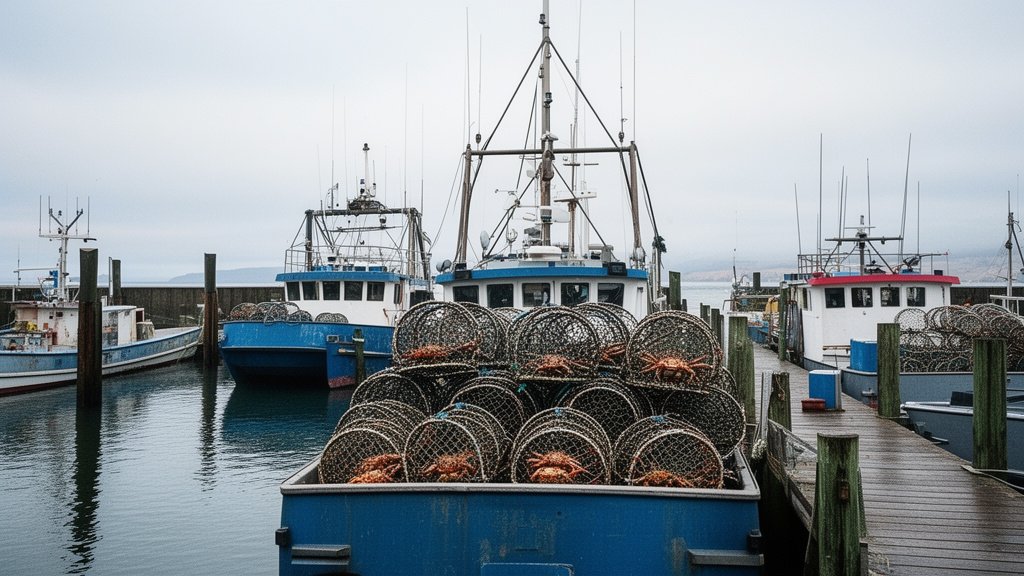
The Oregon Department of Fish and Wildlife (ODFW), in consultation with the Oregon Department of Agriculture (ODA), has officially announced a delay to the start of the commercial Dungeness crab season along the Oregon coast. This decision, aimed at ensuring the quality of the harvested product, impacts the entire commercial fleet and shifts the market timeline for one of the Pacific Northwest’s most iconic seafood staples. While industry participants and coastal communities often anticipate a December start, the reality of biological testing and regulatory oversight dictates a more cautious approach to protect the fishery’s economic viability and consumer quality standards.
Key Highlights
- Regulatory Mandate: The commercial Dungeness crab fishery is currently on hold as state agencies assess meat yield percentages.
- Quality Control: The delay is primarily driven by rigorous testing protocols that ensure crab meat yield meets the minimum thresholds for marketability.
- Regional Coordination: The delay involves collaboration with state health and wildlife agencies to maintain the high standards associated with the Pacific Coast crab fishery.
- Economic Impact: The postponement ripples through local economies, affecting commercial processors, restaurants, and retail supply chains that rely on the early-season harvest.
Navigating the Delay: A Closer Look at the Oregon Dungeness Crisis
The annual opening of the commercial Dungeness crab season is typically a period of high-intensity activity, marking a significant injection of revenue into Oregon’s coastal economies. However, the decision to delay the season is not arbitrary; it is a calculated measure grounded in biological data and market quality control. By pushing back the start date, state officials from the ODFW and ODA are prioritizing the long-term health of the fishery and the economic value of the catch over immediate, potentially sub-standard harvests.
The Science of Meat Yield Testing
At the heart of this seasonal delay is the rigorous process of meat yield testing. Before the season officially opens, state biologists and industry representatives engage in a series of test fisheries. These tests involve gathering samples of Dungeness crab from various depth zones and geographical locations along the coast. The primary objective is to determine the percentage of the crab’s body weight that consists of edible meat.
If the crabs are found to have not yet completed their molting cycle or have not filled out sufficiently after a recent molt, the meat yield will be low. Harvesting “soft” or under-filled crabs not only results in a poor consumer experience but also depresses market prices, as processors struggle to extract a profitable amount of meat from each shell. By delaying the season, the state allows the crab population crucial additional weeks to reach the necessary biological maturity, ensuring that when the pots are finally hauled, the catch is premium quality. This adherence to strict quality standards is what allows Oregon’s Dungeness industry to command high prices in both domestic and international markets.
The Tri-State Cooperation and Management
It is important to understand that Oregon does not manage its Dungeness crab fishery in a vacuum. The commercial fishery is part of a complex, interconnected tri-state management structure that includes California and Washington. These states often coordinate to ensure that market dynamics remain stable across the entire Pacific coast. While individual states retain the authority to delay their specific seasons based on local conditions—such as meat yield or the presence of domoic acid—the overarching goal is to prevent a “race to fish” scenario where gear conflict and market flooding occur simultaneously.
This delay acts as a stabilizer. When Oregon regulators announce a postponement, it often aligns with similar cautious approaches taken by neighboring states to ensure the collective fleet can operate in a more orderly fashion. This coordination mitigates the risk of sudden, overwhelming supply shocks that can disrupt pricing and logistics for the major seafood processors, which serve as the backbone of the commercial crab industry.
Economic Ripples Across Coastal Communities
For coastal Oregon towns—such as Newport, Astoria, and Coos Bay—the Dungeness season is a cornerstone of the winter economy. The local infrastructure, including ice plants, fuel suppliers, and processing facilities, is heavily geared toward the season’s opening. A delay of even a few weeks can create a domino effect. Commercial fishermen who have already invested in gear, fuel, and crew wages face mounting costs without immediate revenue. Similarly, downstream businesses that rely on a steady flow of fresh crab face the challenge of managing inventory expectations and potential supply shortages during critical holiday windows.
Despite these short-term economic pressures, the industry largely supports the delay. Fishermen understand that bringing poor-quality, low-yield crab to market is a short-sighted strategy that hurts the reputation of the Pacific Northwest catch. By waiting until the crab are in prime condition, the industry ensures that demand remains high and that consumers are willing to pay a premium price, which ultimately leads to a more profitable season for the fleet once the “all clear” is finally given by the state.
FAQ: People Also Ask
1. Why is the Oregon Dungeness crab season delayed?
The season is delayed primarily due to biological testing results indicating that the crab meat yield has not yet met the state’s required standards for commercial marketability. This ensures high-quality seafood for consumers.
2. Will the delay affect recreational crabbing?
Generally, commercial delays do not impact the recreational harvest, though recreational crabbers should always check the latest ODFW updates for specific area closures, particularly those related to biotoxins like domoic acid, which are managed separately from meat yield testing.
3. How is the decision to open the season made?
State officials from the Oregon Department of Fish and Wildlife (ODFW) and the Oregon Department of Agriculture (ODA) analyze data from test fisheries. Once the crab reach the required meat recovery percentage and are confirmed safe from toxins, the director of the ODA and the ODFW set an official opening date.
4. Does this delay happen every year?
Seasonal variations in ocean temperature and water chemistry mean the crab molting cycle fluctuates. Consequently, delays due to meat yield are a regular, albeit variable, aspect of managing a wild, sustainable fishery.