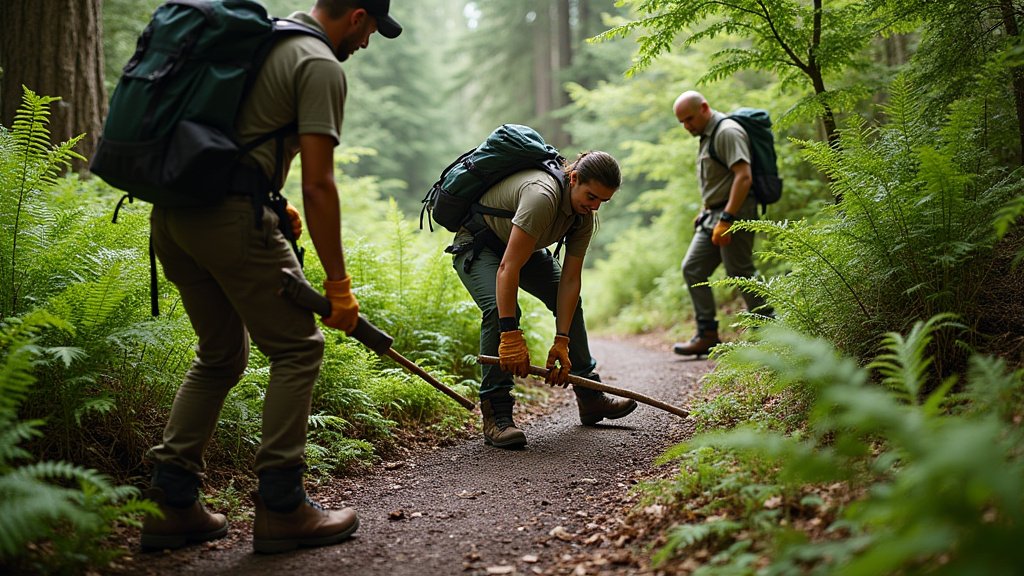
On September 26, 2026, the Bureau of Land Management (BLM) will spearhead a diverse range of volunteer opportunities across Oregon in celebration of National Public Lands Day (NPLD). This annual initiative, widely recognized as the nation’s largest single-day volunteer effort for public lands, serves as a crucial bridge between federal land management and local community engagement. From the rugged coastlines of the Pacific to the arid landscapes of the high desert, Oregon’s BLM districts are organizing field projects designed to maintain infrastructure, enhance ecological health, and protect cultural resources.
Key Highlights
- Statewide Participation: BLM Oregon is coordinating volunteer activities across multiple administrative districts, targeting key recreational areas and conservation sites.
- Diverse Project Scope: Volunteers will engage in essential maintenance, including trail clearing, coastal debris removal, and the preservation of sensitive historic structures.
- Environmental Impact: These efforts directly support the sustainability of Oregon’s natural resources, offsetting the wear and tear caused by increasing visitor traffic.
- Registration Access: Potential volunteers are advised to monitor the official BLM Oregon website and the National Environmental Education Foundation (NEEF) portal for project-specific sign-ups beginning in August 2026.
Oregon’s Stewardship Initiative: Mobilizing for Public Lands
The upcoming National Public Lands Day on September 26, 2026, represents more than just a day of service; it is a critical component of the BLM’s strategy to maintain Oregon’s sprawling 15.7 million acres of public land. As visitation rates continue to climb, federal agencies increasingly rely on the “all-hands-on-deck” approach that NPLD provides to manage infrastructure and conservation projects that might otherwise be deferred.
The Mechanics of Trail and Habitat Restoration
For the 2026 cycle, BLM Oregon field offices are prioritizing trail maintenance and habitat restoration. In the western districts, work will focus heavily on coastal dune management and beach cleanups. These projects are vital for preventing the accumulation of microplastics and debris that threaten sensitive shorebird habitats. According to past data from agency reports, these volunteer-led cleanups remove tons of debris annually, an effort that saves the agency significant operational costs.
Inland, the focus shifts to the Cascade and high desert trails. Here, volunteers will engage in “tread work,” which involves clearing drainage, removing downed timber, and stabilizing trail edges. This structural maintenance is essential for minimizing soil erosion, a persistent challenge in the Pacific Northwest’s temperate rainforest zones and volcanic soil regions. By stabilizing these paths, volunteers ensure that Oregon’s diverse ecosystems remain accessible while minimizing the footprint of human traffic.
Preserving Cultural Heritage and Historic Sites
Beyond environmental conservation, the 2026 NPLD activities will include significant focus on historic site restoration. Oregon contains a dense network of BLM-managed historic sites, ranging from early settler cabins to remnants of mining operations and cultural sites of importance to Indigenous communities.
Restoration in these areas is a specialized task. Volunteers working at these locations undergo training to perform “gentle” maintenance—removing invasive vegetation from stone walls, clearing debris from historic foundations, and maintaining access paths without damaging the archeological integrity of the site. This aspect of the program serves as an educational opportunity for citizens to engage directly with the complex history of the American West.
The Economic and Collaborative Ecosystem
It is essential to view the BLM volunteer events through an economic lens. The value of volunteer hours provided during NPLD is substantial; in fiscal terms, these labor contributions represent thousands of dollars in saved resources for the Department of the Interior. This “sweat equity” allows for a more robust maintenance schedule, enabling the BLM to allocate federal funding toward large-scale infrastructure projects that require specialized professional contracts, such as bridge repairs or comprehensive road resurfacing.
Furthermore, these events foster a collaborative ecosystem. The BLM often partners with local trail groups, conservation non-profits, and outdoor recreation retailers to supply the tools, equipment, and expertise needed for the day. This synergy between government, private sector, and public service is a hallmark of successful land management in the modern era.
Planning Your Participation in 2026
For those intending to participate on September 26, 2026, preparation is key. Unlike casual site visits, NPLD volunteer events are structured, coordinated activities. Participants should expect to register in advance, as group sizes are often limited to ensure safety and effective supervision by BLM rangers.
Safety remains the BLM’s top priority. Volunteers will be provided with briefings on site-specific hazards—such as rough terrain, wildlife safety, and tool handling—before work commences. Participants are generally required to bring appropriate personal gear, including sturdy boots, weather-appropriate clothing, and hydration, while the BLM typically provides gloves, tools, and project-specific protective equipment.
As the date approaches, the agency will publish a registry of events. Prospective volunteers are encouraged to look for projects that match their physical capabilities and interests, as the scope of work varies significantly from light interpretive trail cleanups to more physically demanding landscape restoration.
FAQ: People Also Ask
Q: Do I need prior experience to volunteer with the BLM on National Public Lands Day?
A: No, prior experience is rarely required. The BLM provides all necessary training, tools, and safety briefings for the tasks involved. Supervisors are present at all times to provide guidance.
Q: Will the BLM provide equipment for the volunteer events?
A: Yes, the BLM generally provides the necessary tools for the specific project (e.g., shovels, rakes, trash bags, or loppers). However, volunteers are responsible for wearing appropriate attire, including sturdy, closed-toe boots and clothing suitable for outdoor labor.
Q: How does the BLM determine which sites need volunteer work?
A: Project sites are selected based on several factors, including the severity of deferred maintenance, the volume of visitor traffic, seasonal environmental conditions, and the capacity for safe volunteer management at that specific location.
Q: Can children participate in these events?
A: Many projects are family-friendly, but requirements vary by location. Some sites may have age restrictions for safety reasons, especially where heavy machinery or difficult terrain is involved. Always check the specific project description during the registration process.
Q: Does participating in NPLD count toward community service hours?
A: Yes, in many cases, BLM volunteer service can be documented and verified for community service requirements, including school or organizational programs. Be sure to coordinate with the site lead to ensure your hours are recorded properly.