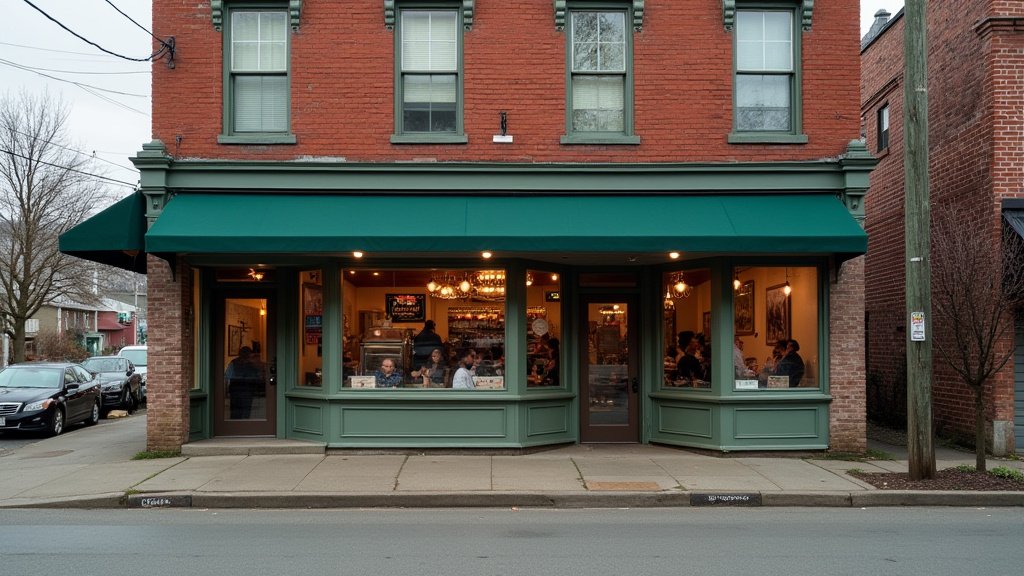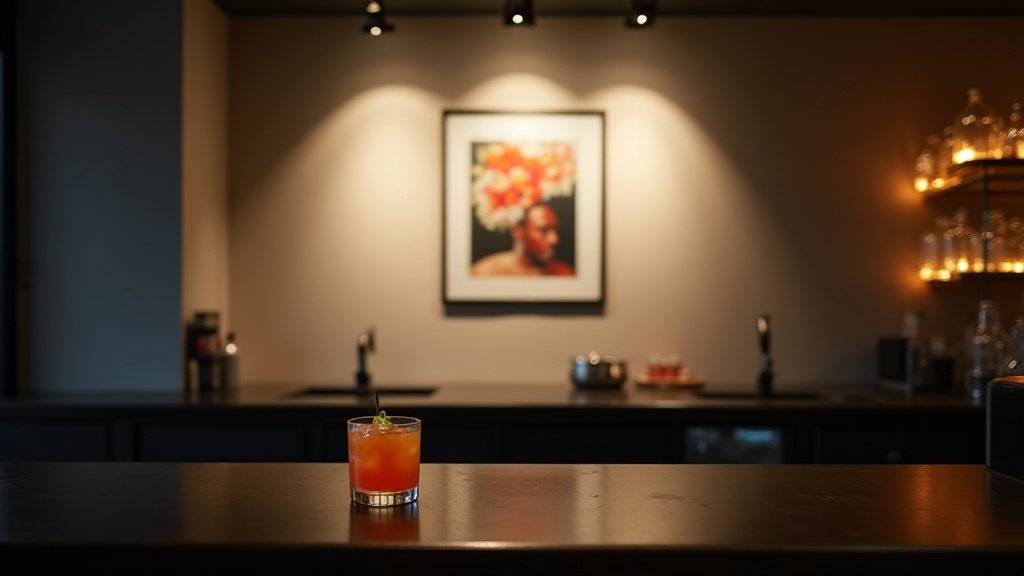
Emporia, the latest entrant to the competitive downtown Portland nightlife scene, is officially shattering the traditional boundary between a cocktail bar and a professional art gallery. By integrating a rotating, curated exhibition program into its core hospitality operations, the establishment aims to move beyond simple ‘wall decor’ and toward a model of symbiotic cultural consumption, where the gallery experience is as central to the business plan as the drink menu itself.
Key Highlights
- Hybrid Business Model: Emporia operates as a functional cocktail lounge by night and a rotating art gallery, creating a ‘third place’ that serves both the hospitality and creative sectors.
- Curated Exhibitions: Unlike bars that hang local art for decoration, Emporia manages its space like a gallery, featuring professional lighting, rotating schedules, and artist showcases.
- Economic Catalyst: By bringing visual art into the downtown core, the bar aims to stimulate foot traffic for other local retailers and galleries during slower daytime or early evening hours.
- Experience-First Design: The interior is engineered to minimize visual clutter, ensuring that the bar’s aesthetic architecture supports, rather than distracts from, the art on display.
The Evolution of the Hybrid Hospitality Space
The launch of Emporia in downtown Portland represents a significant shift in how urban nightlife venues are conceptualizing their footprint. In a post-pandemic economic landscape where consumers are increasingly prioritizing experiential retail, static bar environments are struggling to compete with more engaging, multi-purpose social hubs. Emporia is not merely ‘a bar with paintings’; it is a deliberate architectural response to the demand for multi-sensory leisure.
The Curatorial Philosophy: Beyond ‘Bar Art’
Most bars that display art rely on a ‘set and forget’ mentality, where pieces remain on walls for months, collecting dust and losing relevance to the customer experience. Emporia is disrupting this by adopting a professional gallery rotation schedule. The management team works directly with the Portland art community to curate collections that change with specific frequency, ensuring that repeat customers find a new visual environment every time they order a cocktail.
This is not purely decorative. The venue features specific gallery-grade lighting systems that allow for directed, high-contrast illumination of works. This setup requires significant investment in infrastructure that a typical tavern would overlook, placing Emporia in a unique category of ‘lifestyle venue’ where the visual stimulation is as rigorously planned as the cocktail menu.
Integrating Libations and Visual Art
There is a subtle psychological interplay between the consumption of alcohol and the appreciation of fine art. Studies in neuro-aesthetics suggest that environmental complexity can influence mood and even taste. Emporia leverages this by designing its drink menu to complement the current gallery ‘theme’ or exhibition. If the gallery is showcasing abstract expressionism, the bar menu might rotate toward complex, layered infusions; if the art is minimalist or monochromatic, the bar may pivot toward classic, stripped-back cocktails. This intentional synergy provides a holistic experience that standard bars simply cannot replicate.
Downtown Portland’s Economic Revitalization
Portland’s downtown core has faced challenges regarding foot traffic and retail vacancy over the past several years. Emporia’s business model serves as a proof-of-concept for how ‘experience-driven’ hospitality can revitalize commercial districts. By acting as a cultural anchor, the venue draws visitors who might otherwise bypass the downtown area on a weeknight. This ‘anchor effect’ is crucial for the Portland Downtown Association’s ongoing efforts to revitalize the city center, as it encourages longer dwell times and fosters a sense of safety and activity in urban spaces after standard retail hours.
Overcoming Operational Hurdles
Operating a bar-gallery hybrid is not without logistical friction. The primary challenge involves the protection of high-value art in an environment where liquids are being poured and patrons are gathering. Emporia has implemented specific spatial management protocols to protect works, including climate control adjustments to preserve canvas integrity and physical barriers that prevent accidental damage. Furthermore, the hiring profile for staff is distinct; employees are trained not just on mixology and service standards, but on basic gallery etiquette and the ability to speak to the current exhibition’s context, effectively turning every bartender into a docent.
FAQ: People Also Ask
Q: Is Emporia a typical bar or a private gallery?
A: It is both, integrated into one venue. While it serves a full menu of cocktails, the gallery aspect is professional-grade, meaning it operates on a rotation schedule with curated exhibitions similar to a boutique gallery.
Q: Does the art at Emporia change frequently?
A: Yes. Unlike traditional bars that keep art up for extended periods, Emporia utilizes a rotation schedule to keep the aesthetic environment fresh for regular patrons, aligning with the pace of a real-world gallery.
Q: Are the pieces at Emporia for sale?
A: Generally, in this business model, the pieces on display are available for acquisition, functioning as a point-of-sale for local artists while keeping the bar’s atmosphere constantly evolving.
Q: How does this model impact Portland’s local art scene?
A: It provides a crucial, low-barrier entry point for emerging artists to showcase their work in a high-traffic, social environment, bridging the gap between niche gallery spaces and public accessibility.