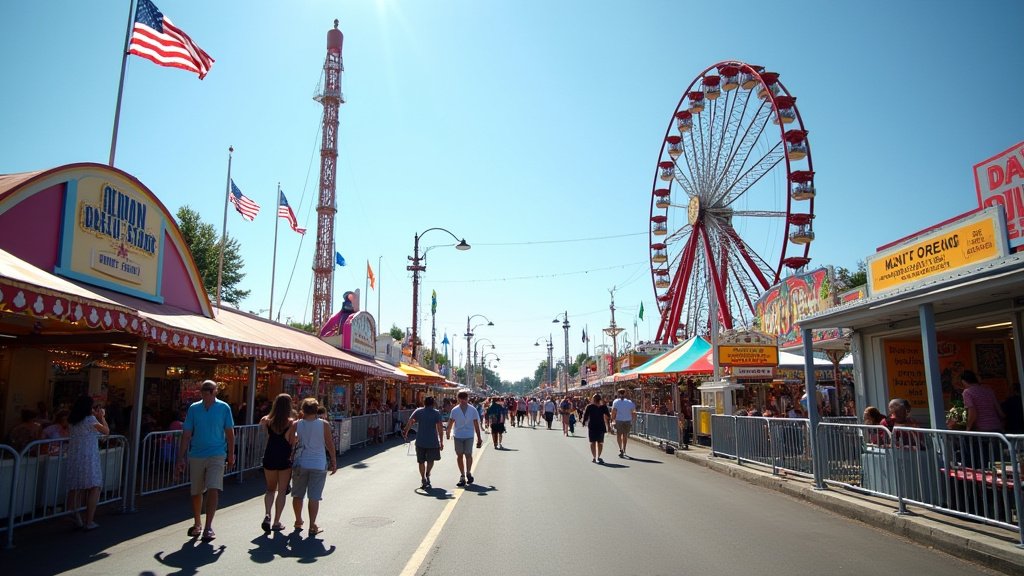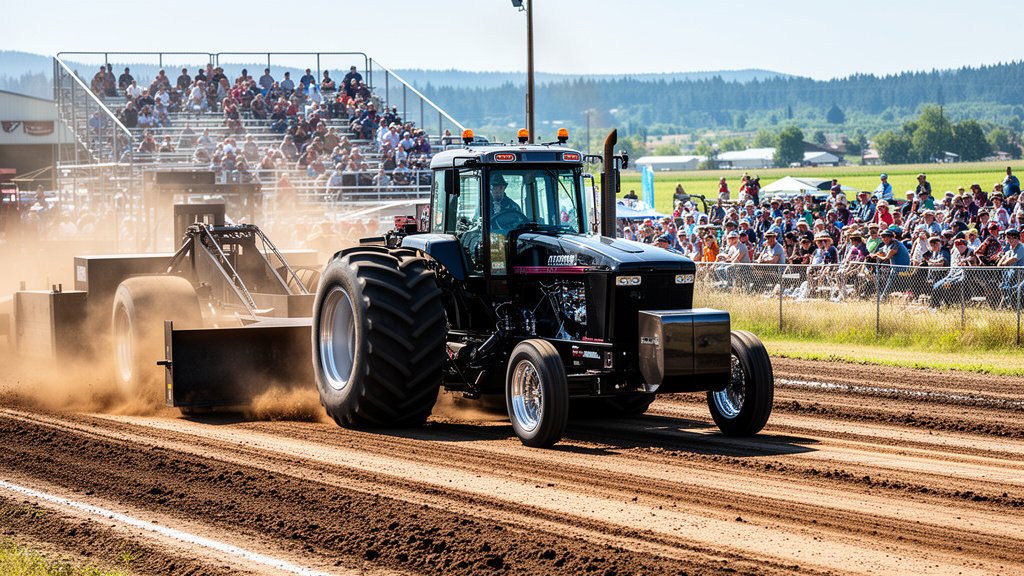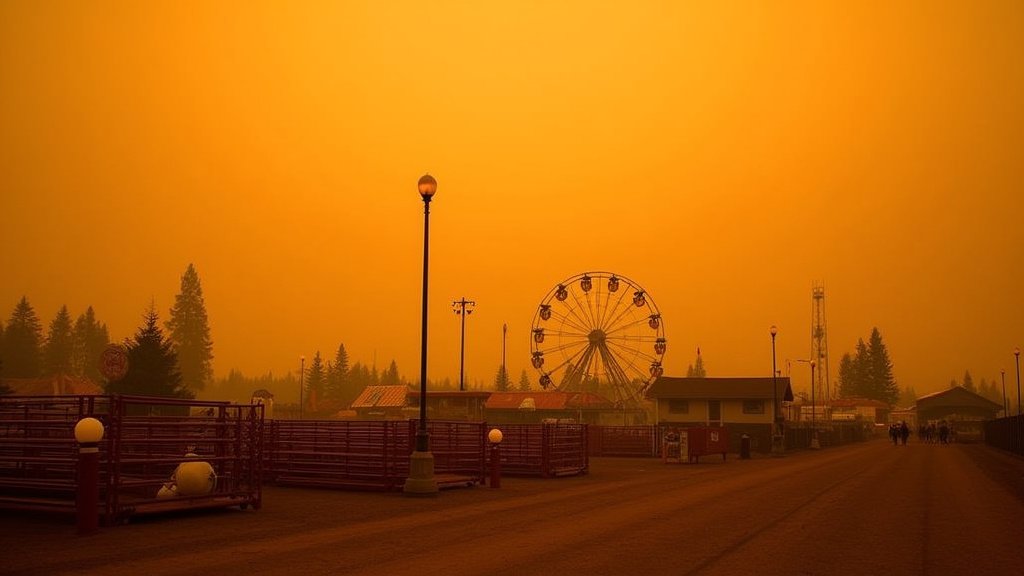
As wildfire smoke blankets rural Oregon, county fairs are forcing a difficult decision: cancel cherished cultural traditions or proceed despite hazardous air quality index (AQI) levels. This delicate balancing act between economic necessity and public health has sparked intense debate across the state as communities grapple with the realities of climate-driven wildfire seasons.
Key Highlights
- Hazardous Conditions: Wildfire smoke frequently pushes Air Quality Index (AQI) levels into the ‘Unhealthy’ (151-200) or ‘Very Unhealthy’ (201-300) ranges, triggering state health warnings.
- Economic Stakes: For many rural communities, the county fair represents a critical annual economic event, accounting for significant portions of yearly budgets for small businesses and agricultural vendors.
- Public Health Protocols: While the Oregon Health Authority (OHA) provides strict guidance on respiratory protection and physical exertion during smoke events, these remain advisory rather than mandatory for private event organizers.
- Innovative Adaptation: Organizers are increasingly relying on industrial-grade ventilation for indoor arenas and rescheduling outdoor animal showtimes to early morning hours when air quality is statistically better.
The Delicate Balance of Heritage and Hazardous Skies
The annual county fair is the heartbeat of rural Oregon. For generations, these events have served as the primary venue for 4-H students to exhibit livestock, local artisans to sell goods, and isolated communities to reconnect. However, as the wildfire season in the Pacific Northwest has extended and intensified, the late-summer fair calendar is increasingly colliding with peak smoke events caused by fires in Oregon, Washington, and Northern California.
The Economics of Tradition Under Fire
The decision to cancel or postpone a fair is not merely a logistical challenge; it is an economic crisis. Many small-scale farmers, local artisans, and hospitality vendors rely on the five-day event window for a significant percentage of their annual revenue. When smoke levels spike, organizers are caught in a ‘damned if you do, damned if you don’t’ scenario. Canceling early can result in massive financial losses, contractual penalties, and the loss of the social cohesion that sustains these communities. Conversely, remaining open while the sky turns an apocalyptic orange invites scrutiny and potential liability regarding public health.
Economic analysts note that rural counties often lack the ‘rainy day’ funds to absorb a lost season. The 4-H programs, which are fundamental to rural agricultural education, depend on these fairs for auction funding. If the livestock exhibitions are canceled, students lose not only their platform for recognition but also the financial return on months of labor. This has forced organizers to view the fair not just as a festival, but as a critical piece of infrastructure that must be defended against environmental volatility.
Navigating Air Quality Metrics: What Organizers Know
The Oregon Department of Environmental Quality (DEQ) maintains a network of monitors that provide real-time data to the public. However, interpretation of this data varies widely. While the Environmental Protection Agency (EPA) suggests limiting physical exertion when AQI exceeds 100, rural organizers often debate whether this should force an event shutdown.
The prevailing strategy has shifted from ‘cancellation’ to ‘management.’ Fair boards are now employing meteorologists and air quality specialists to monitor wind patterns. By tracking the smoke movement, they can often predict ‘clear windows’ of a few hours each morning. Events are being restructured to concentrate high-activity livestock shows and outdoor competitions into these low-smoke periods, shifting passive entertainment, such as indoor exhibits or quiet dining, into the smoky afternoons.
The Risk Mitigation Dilemma: Filtration and Relocation
One of the most significant changes in 2024 is the infrastructure investment in fairgrounds. Recognizing that the smoke is likely a permanent fixture of late summer, some counties have prioritized upgrading livestock barns and indoor pavilions with HEPA-rated HVAC systems. This allows for a ‘refuge’ model, where participants can escape the hazardous air while still engaging in fair activities.
However, this creates a secondary equity issue: smaller or poorer counties cannot afford these upgrades. This has led to a widening gap in the ‘fair experience’ across Oregon, where well-funded districts can adapt, while struggling rural areas are left to rely on N95 distribution tents—a solution that many medical experts argue is insufficient for sustained outdoor exposure, particularly for children and the elderly who constitute a large demographic of fair attendees.
Community Voices: The Cultural Anchor of the Fair
Despite the risks, the sentiment on the ground remains resilient. ‘We are made of tough stuff,’ is a phrase repeated by many county commissioners. For these communities, the fair is the one time of year the town is full, the economy is thriving, and the history is celebrated. There is a palpable fear that if they stop gathering because of the smoke, the tradition might never fully return. This cultural inertia, while sometimes criticized as reckless by public health officials, is the primary driver behind the insistence that the show must go on, albeit under a haze of smoke and careful monitoring.
FAQ: People Also Ask
1. What is considered a ‘safe’ AQI level for county fair outdoor activities?
The Oregon Health Authority generally suggests that when AQI is between 51 and 100 (Moderate), sensitive groups should limit prolonged exertion. Once the AQI crosses 101, it is labeled ‘Unhealthy for Sensitive Groups,’ and once it crosses 151, the general public is advised to limit outdoor activity. Most fair organizers attempt to move events indoors if the AQI remains consistently above 150.
2. How are livestock affected by wildfire smoke?
Livestock, particularly cattle and sheep, are highly susceptible to respiratory issues from particulate matter (PM2.5). Prolonged exposure can lead to reduced weight gain and weakened immune systems. Veterinarians typically advise keeping animals in covered, well-ventilated areas during high-smoke events and providing easy access to clean water.
3. Do insurance policies cover wildfire-related cancellations?
Generally, no. Most standard event insurance policies do not cover cancellations due to environmental conditions unless a specific ‘natural disaster’ rider is purchased in advance. This lack of coverage is precisely why many rural fairs take extreme risks to remain open, as they have no financial safety net for a cancellation.
4. Are N95 masks effective for attendees in smoky conditions?
Yes, but only if worn correctly. Public health officials emphasize that standard surgical or cloth masks offer minimal protection against smoke particles. If fairs remain open during high-AQI events, organizers are increasingly stocking N95 or P100 respirators for attendees, though they emphasize that staying indoors is the only truly effective protection.