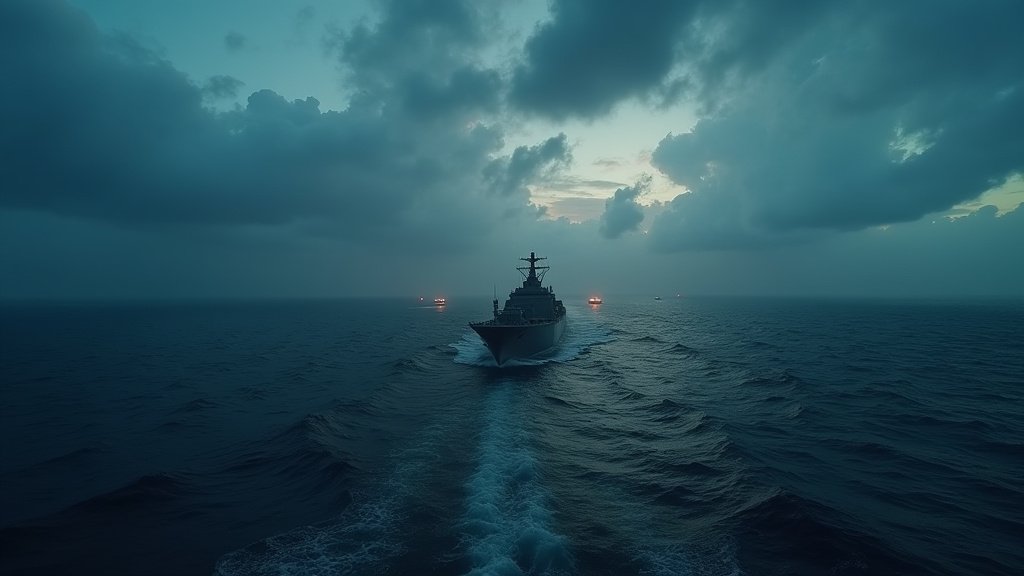
Escalating US Iran Threats are a focal point as President Trump and Iran officials exchange sharp warnings amidst ongoing protests and a deepening economic crisis. The new year commenced with a significant increase in rhetoric, highlighting the volatile state of relations.
New year brought sharp words. U.S. President Donald Trump and top Iranian officials exchanged threats on January 2, 2026. These escalating US Iran Threats occurred as major protests roiled Iran. Tensions flared between the two nations. The escalating situation is trending globally, adding to the complexity of the US Iran conflict.
Roots of the Unrest: Iran Protests and Economic Crisis
Protests spread across Iran. They were fueled by a severe economic crisis. The Iranian rial’s value collapsed, contributing to the current US Iran Threats. Inflation soared to historic highs. Prices for food and necessities jumped. Many Iranians struggled to afford basics. Merchants closed shops. Demonstrators chanted anti-government slogans. The protests entered their fifth day. They became the largest since 2022. At least seven people died in the violence, exacerbating the US Iran Threats.
Dueling Statements Erupt: Trump Iran Warnings
President Trump issued a strong warning, a key element of the current US Iran Threats. He posted on his Truth Social platform. He stated that if Iran “violently kills peaceful protesters,” the U.S. would intervene. Trump added, “We are locked and loaded and ready to go.” This direct U.S. support for demonstrators was notable. It broke from past presidential caution regarding US Iran Threats.
Iran’s Sharp Rebuttal to US Iran Threats
Iran’s Supreme National Security Council secretary responded to the US Iran Threats. Ali Larijani also posted on social media. He accused the U.S. and Israel of stoking the protests. Larijani provided no evidence for this claim. He warned that U.S. intervention would cause regional chaos. It would also lead to the destruction of U.S. interests. He stated the American people should “take care of their own soldiers”. Other Iranian officials echoed strong warnings. They threatened U.S. bases in the region, highlighting the severity of the US Iran Threats.
Deepening Geopolitical Instability: The US Iran Conflict
The exchange escalated existing U.S.-Iran hostility, intensifying the US Iran conflict. America had bombed Iranian nuclear sites in June. Iran retaliated by attacking a U.S. base in Qatar. These past actions underscored the volatile relationship and the growing US Iran Threats. The U.S. State Department called the protests “understandable anger”. They cited Iran’s government failures. This included economic neglect and funding proxies, factors contributing to the US Iran Threats.
Economic Woes Fuel Grievances Amidst US Iran Threats
The rial lost significant value, a critical factor in the current US Iran Threats. It traded near 1.4 million to the U.S. dollar. This Iranian rial devaluation worsened inflation. It made daily life difficult for many, fueling the widespread Iran protests. President Masoud Pezeshkian acknowledged the economic problems. He called for dialogue with protesters. However, the government struggled to stabilize the economy, further escalating the US Iran Threats.
Broader Implications and Risks of US Iran Threats
Trump’s threats raised the risk of wider conflict, a direct consequence of the US Iran Threats. Such U.S. intervention Iran could destabilize the entire Middle East. Analysts noted this potential for geopolitical instability. Iran’s leadership might use Trump’s statements to their advantage. They could claim the unrest is externally driven. This might justify a harsher crackdown. The global community watched closely. This news highlights persistent geopolitical instability and the ongoing threat of US Iran conflict.
A Volatile Future Looms Amidst US Iran Threats
The situation remains tense. Protests continue across Iran. The economic crisis shows no easy solution. U.S.-Iran relations are at a critical point, defined by ongoing US Iran Threats. Further actions by either side could ignite greater conflict. The region faces continued uncertainty, with US Iran Threats looming large.