Tensions escalated significantly on July 12, 2026, as the United States and Iran engaged in retaliatory strikes following an incident where Iran’s IRGC forces attacked a Cyprus-flagged container ship transiting the Strait of Hormuz. The U.S. military confirmed launching strikes on Iran in response. Iran declared the Strait of Hormuz closed until further notice, citing the vessel’s alleged use of an unauthorized route. In separate news, a tragic speedboat accident near Phu Quoc Island in Vietnam resulted in the deaths of 15 Indian tourists, prompting the Vietnamese Prime Minister to order a probe into the incident. Meanwhile, in sports, Argentina advanced to the FIFA World Cup semi-finals after defeating Switzerland, setting up a clash with England.
Key Highlights:
- U.S. and Iran engage in retaliatory strikes after Iran’s IRGC attacked a container ship.
- Iran declared the Strait of Hormuz closed following the naval incident.
- Fifteen Indian tourists perished in a tragic speedboat accident in Vietnam.
- Argentina secured a spot in the FIFA World Cup semi-finals.
Escalation in the Strait: U.S. and Iran Exchange Fire
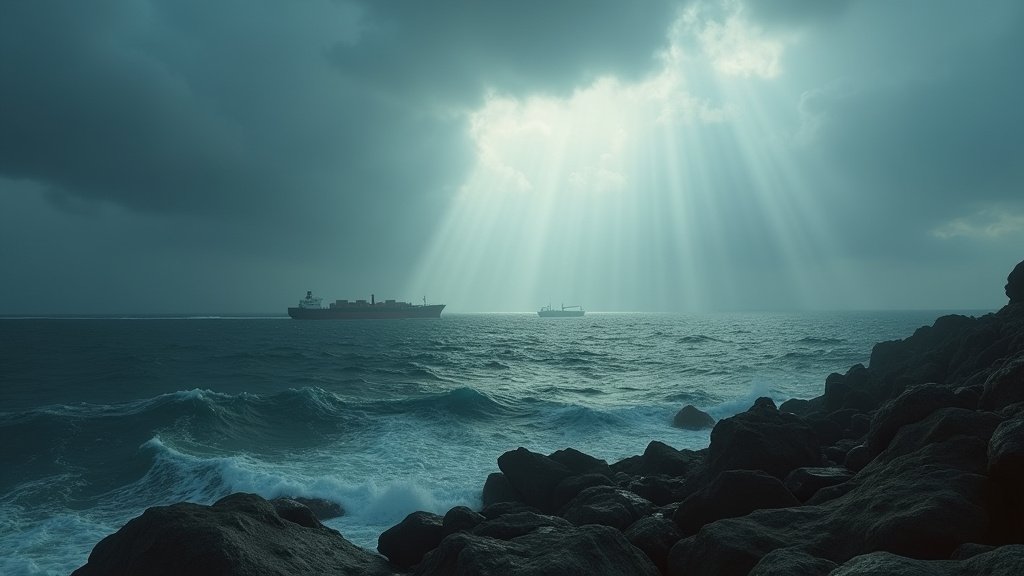
The Strait of Hormuz, a critical chokepoint for global oil shipments, became the stage for a significant military confrontation on July 12, 2026. The U.S. Department of Defense confirmed that American forces conducted retaliatory strikes against Iran after Iranian Revolutionary Guard Corps (IRGC) naval units attacked a Cyprus-flagged container ship traversing the vital waterway. Initial reports indicate the vessel was targeted as it navigated through the strait, leading to a swift and decisive response from the U.S. military.
Iran’s Response and Strait Closure
Following the exchange of fire, Iran’s maritime authorities announced the closure of the Strait of Hormuz, effective immediately and until further notice. The justification provided by Iran cited the targeted container ship’s alleged deviation from authorized shipping lanes. This closure raises immediate concerns for international shipping and global energy markets, given the strait’s immense strategic importance. The IRGC’s aggressive action marks a significant escalation in regional tensions, with the potential for wider implications. The incident underscores the volatile security situation in the Persian Gulf and the persistent challenges in maintaining freedom of navigation in these critical international waters.
Vietnam’s Tragic Boat Accident
In a separate and somber development, a tragic incident occurred near Phu Quoc Island in Vietnam, where a speedboat carrying tourists capsized. The accident resulted in the deaths of 15 Indian tourists, sending shockwaves through both the Indian and Vietnamese communities. The Vietnamese Prime Minister has reportedly ordered an immediate and thorough investigation into the cause of the disaster. The focus of the probe will likely be on the safety protocols of the tour operators and the condition of the vessel. This maritime tragedy highlights the inherent risks associated with water-based tourism and the critical need for stringent safety regulations and enforcement to prevent future loss of life.
Argentina’s FIFA World Cup Advancement
On the sporting front, Argentina has secured a coveted place in the FIFA World Cup semi-finals. The South American powerhouse achieved this milestone by defeating Switzerland in a closely contested match. Their victory sets up an anticipated semi-final clash against England, a matchup that is expected to draw significant global attention from football (soccer) enthusiasts worldwide. This sporting success offers a stark contrast to the geopolitical and maritime tensions elsewhere, providing a moment of triumph amidst a day marked by serious international incidents and profound loss.
Geopolitical Ramifications and Historical Context
The exchange of fire between the U.S. and Iran in the Strait of Hormuz is not an isolated event but rather a continuation of decades of strained relations and periodic military posturing. Both nations have a history of confrontations in the Persian Gulf, often stemming from issues of maritime security, regional influence, and international sanctions. The IRGC’s actions, and the subsequent U.S. response, could lead to increased naval presence, heightened risk of miscalculation, and further economic repercussions. The global community will be closely monitoring the diplomatic and military reactions in the coming days and weeks.
Impact on Global Trade and Energy Security
The Strait of Hormuz accounts for approximately 20-30% of the world’s total seaborne oil trade, making any disruption to its traffic a matter of global economic concern. A prolonged closure or sustained uncertainty in the region could lead to significant spikes in oil prices, impacting inflation and economic growth worldwide. Nations heavily reliant on oil imports will be particularly vulnerable. The incident serves as a stark reminder of the fragility of global supply chains and the critical role of geopolitical stability in ensuring energy security.
Safety Standards in Adventure Tourism
The tragic loss of life in Vietnam underscores a broader issue concerning safety standards in the global adventure tourism industry. While Phu Quoc Island is a popular destination, incidents like this prompt a re-evaluation of regulations governing watercraft operations, passenger safety, and emergency response. Authorities will need to address whether existing frameworks are adequate to protect tourists engaging in high-risk activities, especially in rapidly developing tourist locales. The investigation’s findings will be crucial in informing future safety policies and ensuring the well-being of visitors.
FAQ: People Also Ask
Q1: What is the Strait of Hormuz and why is it strategically important?
The Strait of Hormuz is a narrow waterway connecting the Persian Gulf to the Gulf of Oman and the open sea. It is critically important because it is one of the world’s most vital shipping lanes, through which a significant portion of global oil supplies transit daily. Its strategic location makes it a frequent flashpoint for geopolitical tensions.
Q2: What prompted Iran’s IRGC to attack the container ship?
According to the provided information, Iran’s IRGC attacked a Cyprus-flagged container ship transiting the Strait of Hormuz, and Iran stated the vessel was using an unauthorized route. The U.S. military confirmed launching retaliatory strikes in response to this incident.
Q3: What is being done to investigate the boat tragedy in Vietnam?
The Vietnamese Prime Minister has ordered a probe into the tragic speedboat accident near Phu Quoc Island that resulted in the deaths of 15 Indian tourists. The investigation aims to determine the cause of the incident and review safety protocols.
Q4: Who did Argentina beat to reach the FIFA World Cup semi-finals?
Argentina advanced to the FIFA World Cup semi-finals after defeating Switzerland. They are set to play against England in the next round.
Q5: What are the potential consequences of the U.S.-Iran naval clash?
The potential consequences include heightened regional instability, increased oil prices due to concerns over the Strait of Hormuz, potential for further military escalation, and international diplomatic efforts to de-escalate the situation.