Tufts University has officially launched its new Innovation Hub for Food and Materials in Medford, Massachusetts, marking a significant milestone in the institution’s commitment to bridging the gap between academic research and commercial application. By providing startups, researchers, and entrepreneurs with specialized infrastructure, the hub is poised to accelerate the development of next-generation food technologies, advanced biomaterials, and innovative food processing solutions that address critical global challenges in nutrition, sustainability, and production efficiency.
Key Highlights
- Strategic Location: The hub is based in Medford, MA, positioning it at the nexus of the Greater Boston innovation ecosystem.
- Bridging the Gap: Designed specifically to help startups scale from laboratory prototypes to pilot-scale commercial viability.
- Focus Areas: Advanced food technology, sustainable biomaterials, and revolutionary food processing solutions.
- Collaborative Ecosystem: Connects researchers with industry partners to foster interdisciplinary problem-solving.
Advancing the Future of Food and Materials Science
The launch of the Innovation Hub for Food and Materials at Tufts University arrives at a critical juncture for both the biotechnology and food sectors. For years, the ‘Valley of Death’—the challenging period between initial laboratory discovery and commercial viability—has stymied the progress of many promising food tech startups. This new facility is specifically engineered to mitigate those risks by providing the sophisticated hardware, testing environments, and collaborative space required to turn theoretical breakthroughs into tangible market-ready solutions.
The Infrastructure of Innovation
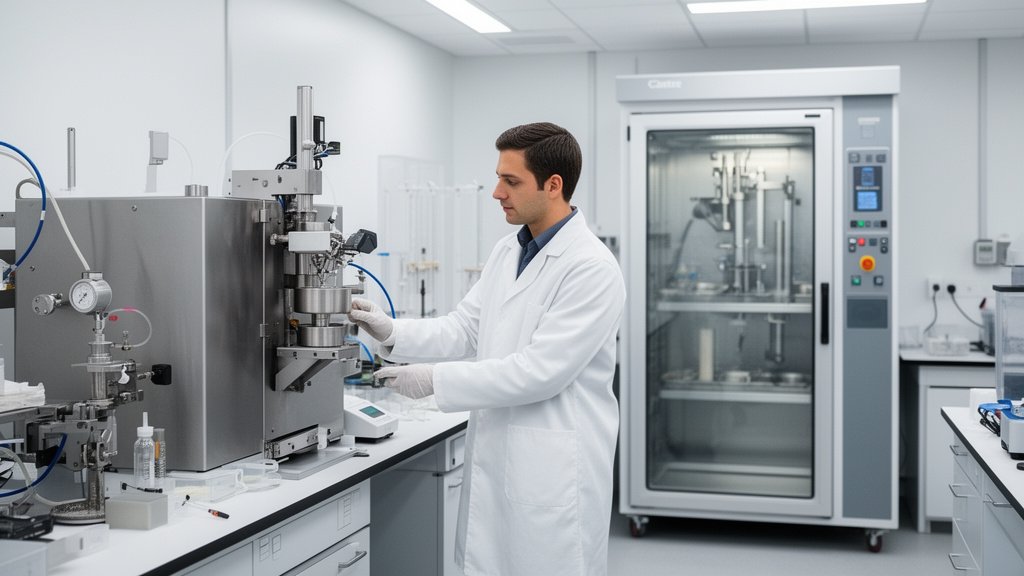
At the core of the hub’s value proposition is its highly specialized infrastructure. Developing new food technologies, such as cellular agriculture or novel fermentation processes, requires equipment that is often inaccessible to early-stage entrepreneurs. The Tufts facility provides these essential tools, from precise environmental control chambers for biomaterial cultivation to modular food processing units that allow for rapid experimentation. This reduces the capital burden on small teams, enabling them to focus their limited resources on research and development rather than overhead costs.
By centralizing this infrastructure, Tufts is not just providing space; it is fostering a culture of rapid iteration. In the realm of food technology, the ability to test, fail, learn, and iterate quickly is the difference between a product that reaches the shelves and one that remains confined to a research paper.
Biomaterials: The Hidden Pillar of Sustainability
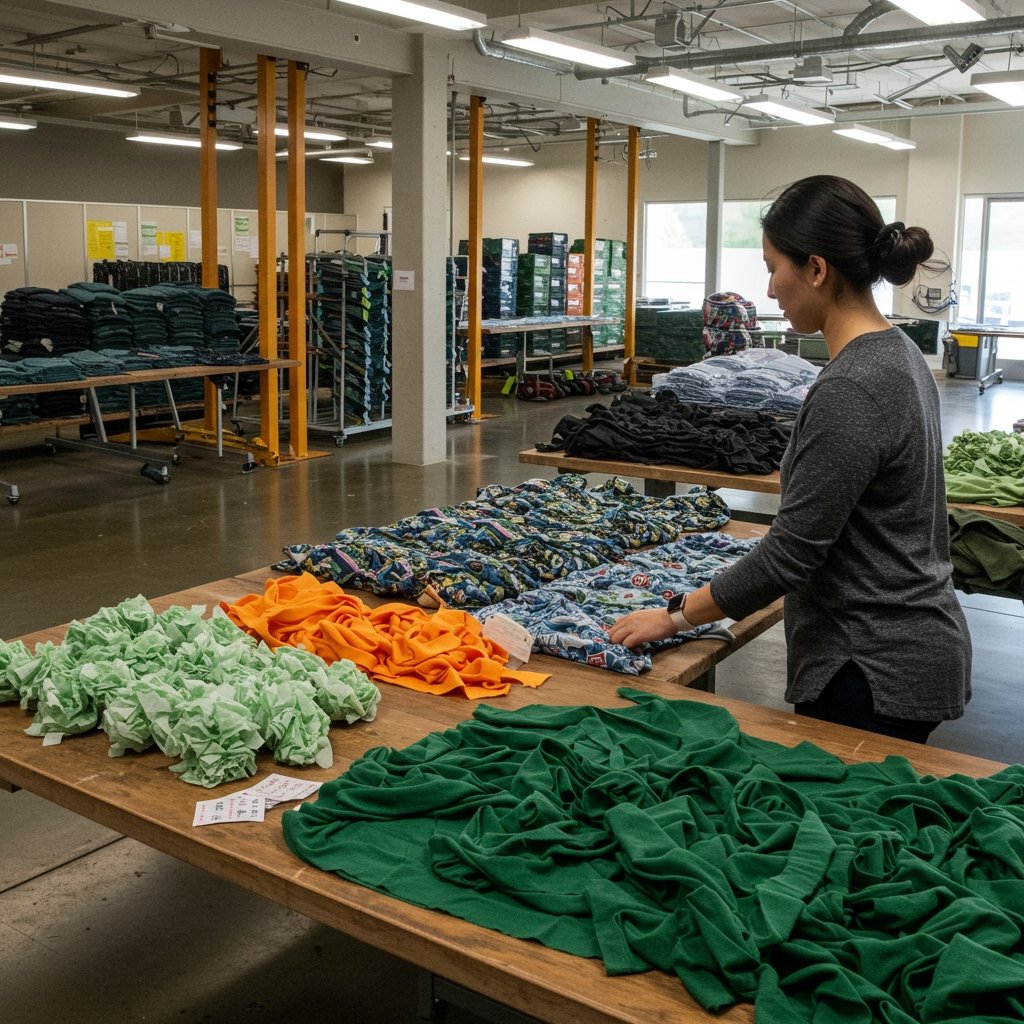
While ‘food technology’ often dominates headlines, the inclusion of ‘materials’ in the hub’s mandate is equally vital. Biomaterials—packaging derived from agricultural waste, edible films, or regenerative plastics—are essential to creating a circular economy. The hub serves as a testing ground for these innovations, allowing researchers to evaluate how new materials interact with various food products under diverse storage and shipping conditions.
This synergy between food and materials science is profound. By tackling packaging and processing simultaneously, the hub encourages a holistic view of the food supply chain. Startups can now design a product and its delivery mechanism in tandem, ensuring that the packaging is as innovative and sustainable as the food it contains.
Economic and Academic Synergy
Tufts University’s presence in Medford has long been a driver of regional economic activity, but this hub elevates that impact. By inviting external startups to collaborate within university walls, the institution creates a porous boundary between academia and the private sector. This ecosystem approach attracts venture capital and strategic partners, further cementing the region’s status as a global leader in the bio-economy.
For the academic community, this collaboration offers a window into the pragmatic challenges of the industry. Researchers gain insight into consumer needs, supply chain logistics, and regulatory hurdles, which in turn informs their fundamental research. It creates a virtuous cycle where industry needs drive academic inquiry, and academic discoveries provide the foundation for industrial breakthroughs.
Overcoming the ‘Valley of Death’
The most significant contribution of the new hub is its role in de-risking technology. Investors are notoriously cautious when it comes to hardware-heavy startups, often preferring software-based solutions with lower capital requirements. By offering a facility that provides testing capabilities, Tufts effectively subsidizes the de-risking process. When a startup graduates from the hub, they aren’t just presenting a pitch deck; they are presenting data derived from professional-grade testing, a far more compelling proposition for potential investors and industry partners.
The Future of Food Processing
As the global population continues to climb, the demand for efficient, sustainable food processing will only increase. Current industrial methods are often energy-intensive and produce significant waste. The innovation hub allows for the experimentation with modular, decentralized processing technologies. These systems could eventually allow for localized food production, significantly reducing the carbon footprint associated with global logistics and traditional supply chain models. Whether it is through new drying technologies, nutrient-retention innovations, or plant-based processing breakthroughs, the work being conducted in Medford today sets the stage for the food landscape of tomorrow.
FAQ: People Also Ask
Q: Who can access the Tufts Innovation Hub?
A: The hub is designed to support a mix of entities, including early-stage startups, university researchers, and industry entrepreneurs who require specialized infrastructure for testing food tech and biomaterials.
Q: Where is the new hub located?
A: The facility is situated in Medford, Massachusetts, leveraging the proximity to Tufts University’s research resources and the broader Boston/Cambridge innovation corridor.
Q: What specific types of technology are tested here?
A: The hub focuses on food technologies, advanced biomaterials, and food processing solutions. This includes everything from cellular agriculture and sustainable packaging to novel fermentation and food preservation techniques.
Q: How does this benefit the local economy?
A: By providing a ‘soft landing’ for startups and fostering collaboration, the hub attracts talent and investment to the area, encouraging the growth of a local cluster of companies focused on the future of food and sustainable materials.