Portland, long celebrated for its unpretentious, counter-culture dining scene, is currently undergoing a structural shift in its culinary landscape. The arrival of the Ritz-Carlton, Portland—and specifically the appointment of Executive Chef Jack Strong—marks a pivot toward high-end, destination-driven gastronomy. Simultaneously, the opening of distinct, independent concepts like Marée and The Malarkey indicates that the city’s appetite for diverse, specialized dining remains as robust as ever. This convergence of international luxury standards and hyper-local, artisan-focused restaurant development is fundamentally altering the city’s food economy and cultural identity.
The Ritz-Carlton: A New Anchor for Luxury Dining
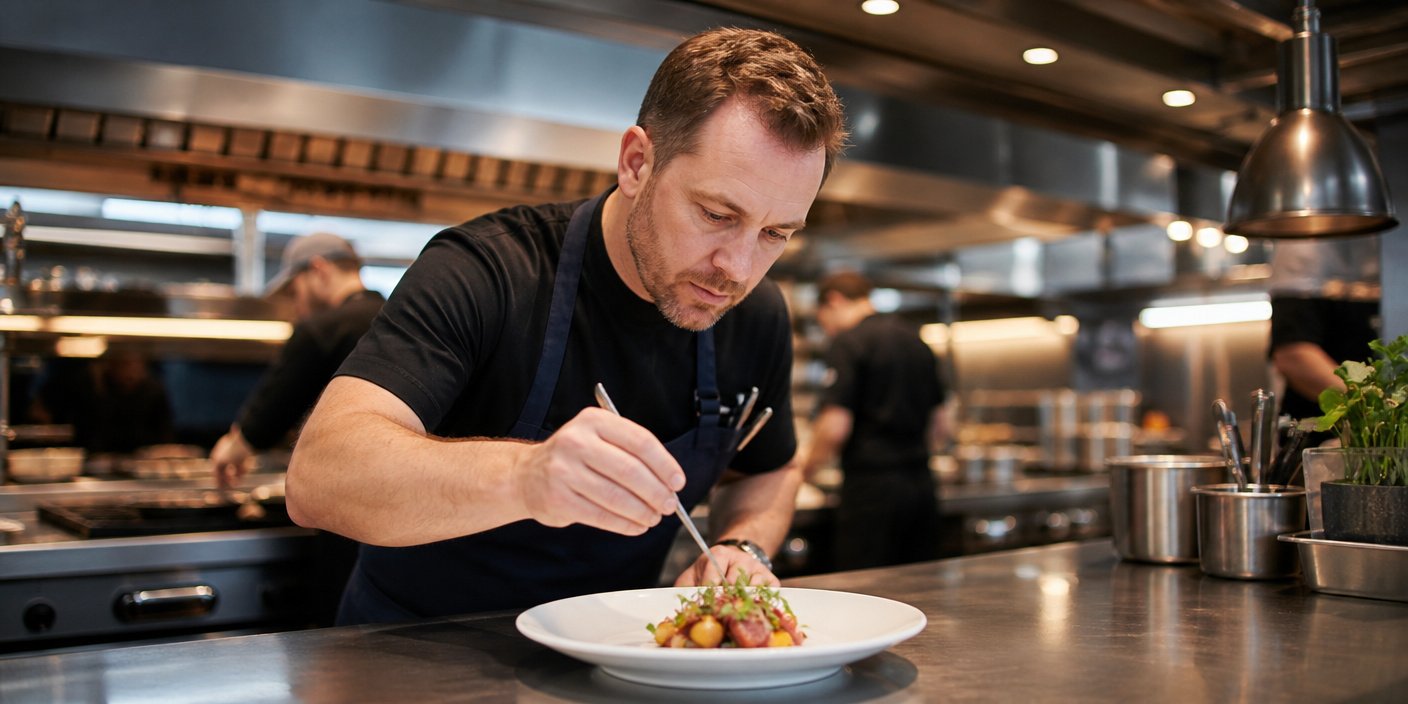
The most significant development in the Portland food scene over the past year has undoubtedly been the integration of the Ritz-Carlton into the downtown core. At the heart of this transition is Chef Jack Strong, who serves as the Executive Chef for the property. Strong, who brings a wealth of experience and a deep respect for indigenous culinary traditions, oversees two distinct venues that serve as the pillars of the hotel’s F&B strategy: Bellpine and Meadowrue.
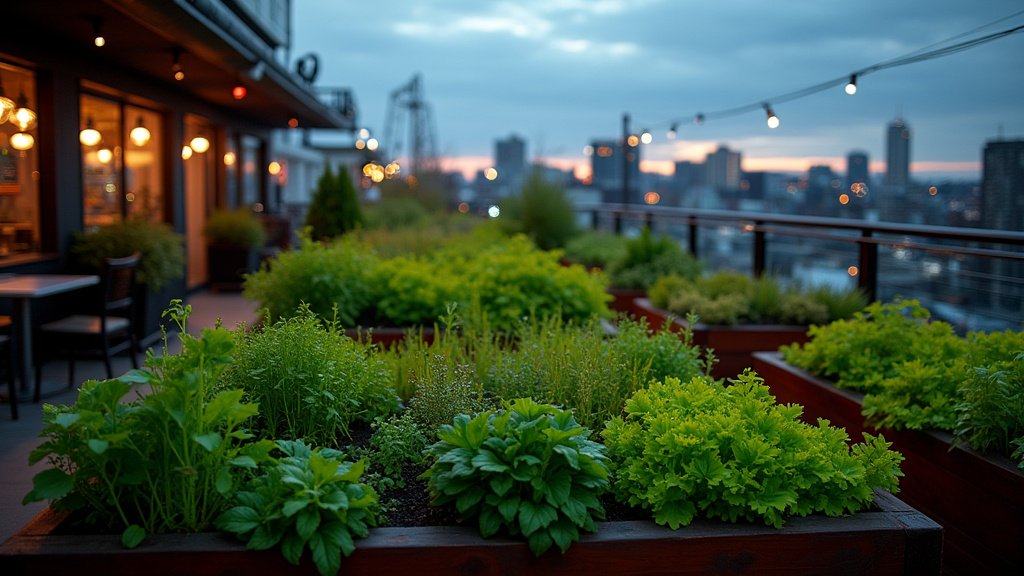
Bellpine, the signature restaurant located on the 20th floor, is designed as a direct response to the demand for a truly ‘elevated’ dining experience in a city that historically favored the casual. The venue focuses on Pacific Northwest sourcing, utilizing the bounty of the Willamette Valley, the Oregon coast, and the high desert. Chef Strong’s philosophy here is one of ‘terroir-focused’ cooking; he isn’t simply sourcing local ingredients, but crafting menus that reflect the specific micro-climates of Oregon. By centering the menu on local fisheries and small-scale farms, Bellpine creates a bridge between luxury hospitality and the radical sustainability that Portlanders demand.
Meadowrue, conversely, offers a more accessible, day-to-night lounge and dining environment. While Bellpine targets the destination diner, Meadowrue functions as the ‘living room’ of the hotel, emphasizing craft cocktails and seasonal small plates. The success of these two venues has effectively created a new ‘north star’ for hospitality service standards in Portland, forcing neighboring establishments to recalibrate their service models to compete with the Ritz’s impeccable attention to detail.
The Independent Wave: Marée and The Malarkey
While the Ritz-Carlton dominates the conversation regarding luxury, the openings of Marée and The Malarkey demonstrate that independent restaurateurs are still the engine room of the Portland economy.
Marée has emerged as a distinct player in the local scene, focusing on a refined seafood-centric model that emphasizes raw bars and coastal-inspired preparations. In a city already famous for seafood, Marée distinguishes itself through a minimalist, precision-based approach. The focus is on the product itself—pristine sourcing from the Pacific—rather than heavy-handed saucing or overly complex plating. This ‘less is more’ aesthetic is resonating with a demographic of diners who are increasingly discerning about provenance and quality.
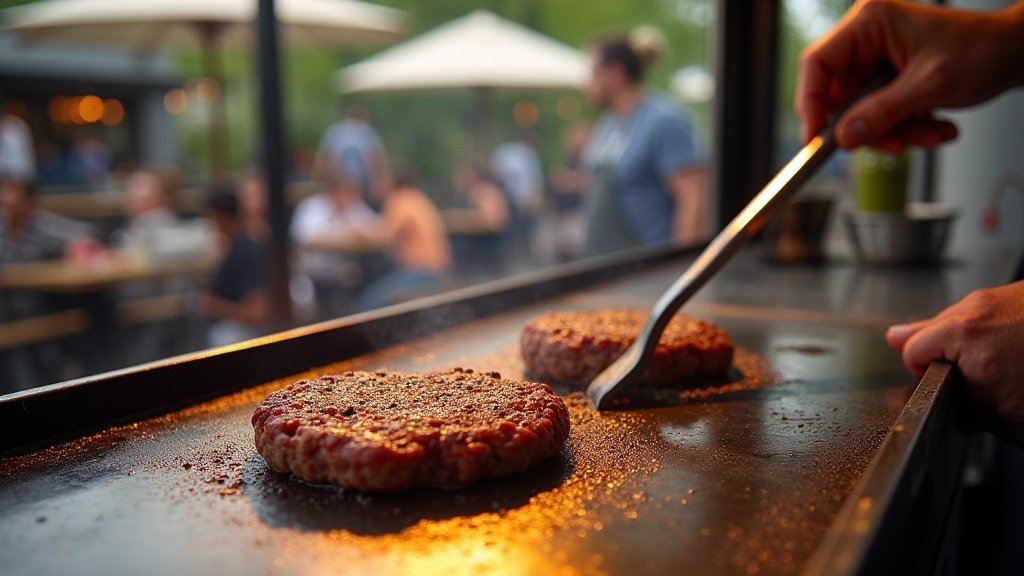
On the other hand, The Malarkey represents a different kind of ambition. Whether through its branding or its service philosophy, The Malarkey has leaned into a high-energy, personality-driven hospitality model. In an era where many restaurants are struggling with staffing and operating costs, The Malarkey’s ability to generate buzz and maintain a high-volume service schedule is a testament to the enduring appeal of the ‘theatre of dining.’ By focusing on a tight, flavor-forward menu, the venue has managed to capture the ‘night out’ crowd, a critical segment that was arguably underserved during the post-pandemic recovery years.
Economic Revitalization and the Future of Downtown
To understand why these specific openings matter, one must look at the broader economic context. The downtown Portland area has faced significant headwinds since 2020, with office vacancies and shifting foot traffic patterns threatening the viability of the restaurant core. The influx of high-capital projects like the Ritz-Carlton—and the subsequent demand for high-quality, nearby independent options—is helping to re-establish downtown as a culinary destination rather than just a commercial hub.
This trend suggests a ‘barbell’ strategy for Portland’s food scene: at one end, we have the ultra-luxury hotel dining like Chef Jack Strong’s work at Bellpine; at the other, we have innovative, nimble independent concepts like Marée and The Malarkey. This dichotomy is healthy for the city. It allows for a diverse ecosystem where different price points and experiences can coexist. It also signals to developers and investors that Portland remains a viable market for high-concept food and beverage, provided those concepts are grounded in the city’s inherent strengths—namely, the availability of world-class regional produce.
Looking ahead, the next twelve months will be critical. The industry will be watching to see if the success of these early adopters can spark a larger wave of reinvestment in the downtown corridor. If the foot traffic continues to stabilize around these key anchors, we can expect a secondary wave of secondary-tier service providers—bakeries, coffee roasters, and wine shops—to fill in the gaps, further enriching the urban fabric. Portland is no longer just a city of food trucks and counter service; it is evolving into a multifaceted culinary capital that balances its gritty, independent roots with a new, sophisticated polish.