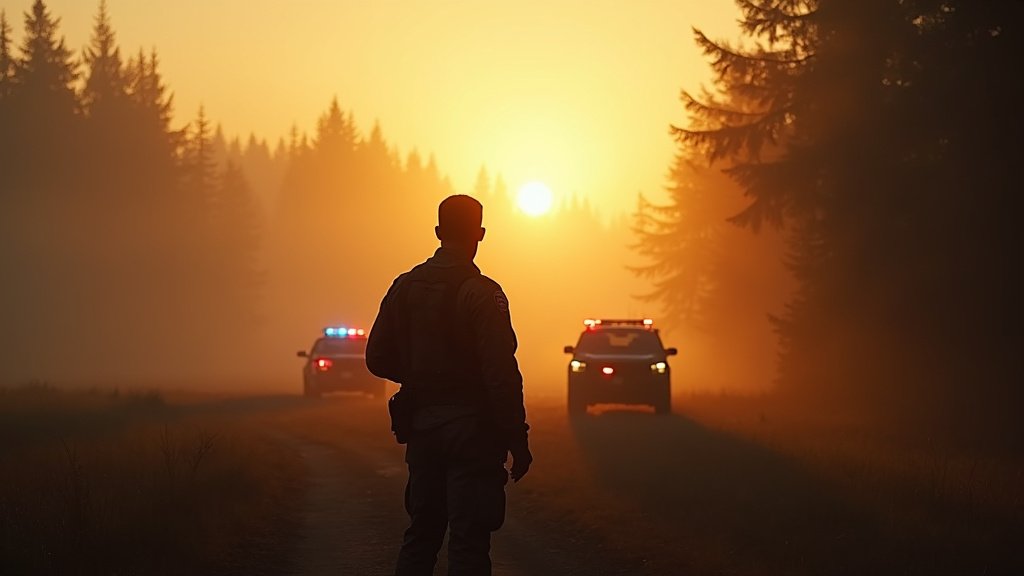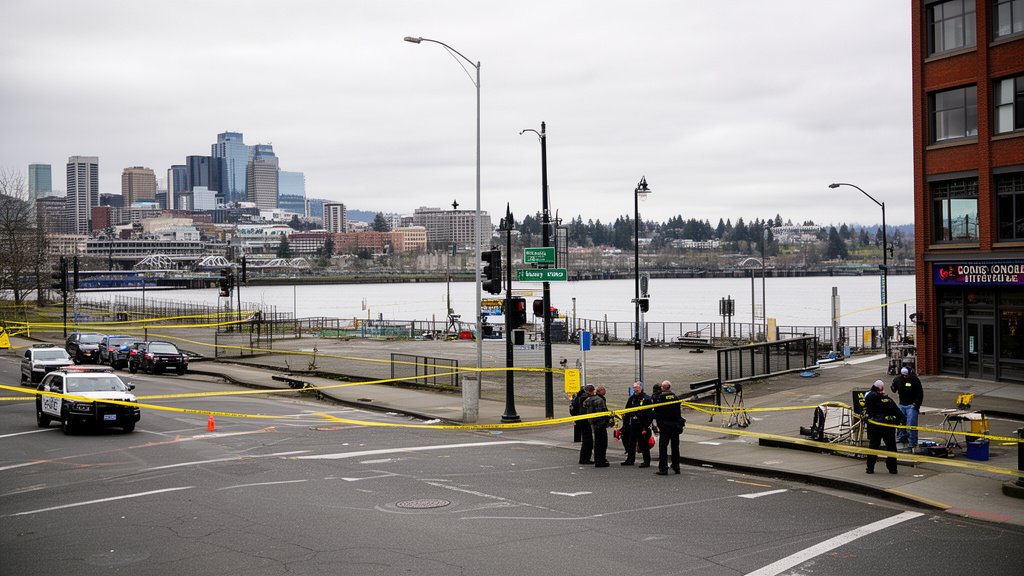
Portland police detectives have launched an active investigation following the discovery of human remains near the intersection of Southeast Harvey Milk Street and Southwest Naito Parkway. The discovery, which occurred during a scheduled cleanup operation of a homeless encampment in the area, has prompted a significant response from law enforcement and the medical examiner’s office as they work to identify the individual and determine the circumstances surrounding their death.
Key Highlights
- Location: The remains were discovered in the vicinity of Southeast Harvey Milk Street and Southwest Naito Parkway, a high-traffic area near the waterfront.
- Discovery: A cleanup crew operating at a homeless encampment site alerted authorities after encountering the remains.
- Law Enforcement Response: Portland Police Bureau (PPB) detectives and forensic investigators were dispatched to the scene to secure the area and initiate a death investigation.
- Medical Examiner Involvement: The Multnomah County Medical Examiner is coordinating with police to determine the identity of the deceased and the cause of death.
Uncovering the Scene: Investigation and Protocol
The discovery of human remains in a densely populated urban environment like downtown Portland initiates a rigorous and methodical protocol mandated by the Portland Police Bureau (PPB). When remains are located, the immediate priority is scene preservation. This ensures that any potential evidence—whether related to a natural death, accidental overdose, or a potential criminal act—is not compromised. The intersection of Southeast Harvey Milk Street and Southwest Naito Parkway is a sensitive site, located near major transit routes and the Willamette River waterfront, which adds a layer of complexity to the securement of the perimeter.
The Role of Forensic Investigation
Once the cleanup crew reported the discovery, the site became an active scene. Detectives look for identifiers, including personal effects, and utilize forensic science to establish a timeline. The Multnomah County Medical Examiner plays a pivotal role here, utilizing dental records, DNA analysis, and other forensic markers to facilitate positive identification. In cases where the remains are found within the context of transient living situations, authorities must also cross-reference missing persons reports, which remain a significant part of the Bureau’s ongoing work to support vulnerable populations.
Portland’s Urban Crisis: A Complex Environment
This incident highlights the precarious nature of the ongoing crisis regarding unsheltered homelessness in the Portland metropolitan area. The intersection where the remains were found is characteristic of areas that frequently oscillate between public thoroughfares and informal encampment sites. The management of these spaces presents a continuous logistical challenge for the city of Portland. Cleanup initiatives are designed to improve sanitation and public safety; however, they often intersect with tragic realities faced by the city’s homeless population.
The Intersection of Public Space and Safety
Public policy in Portland has been heavily influenced by the need to balance the rights of the unhoused with the necessity of public health and safety. Cleanup crews, often contracted or managed through municipal programs, are frequently the first to encounter the results of this crisis. Their reports serve as a grim reminder of the health risks associated with living without shelter, including exposure to extreme weather, lack of medical access, and the hidden dangers within encampments. This event underscores the urgent need for integrated services that can provide better outcomes than just periodic site clearances.
Challenges for Cleanup Initiatives
Cleanup operations are inherently difficult. They require balancing the removal of hazardous materials, such as bio-waste and debris, with a sensitivity toward the individuals displaced during these operations. When a discovery such as human remains occurs, the operation must halt immediately, turning a sanitation effort into a forensic site. This disruption highlights the volatility of these environments and the emotional toll on the workers involved, as well as the immediate neighbors and stakeholders in the downtown district.
Historical and Statistical Context
While this specific event is under active investigation, it is not an isolated occurrence in the context of major West Coast urban centers. Portland has seen an increase in unattended deaths within homeless populations, a trend mirrored in cities like Seattle, San Francisco, and Los Angeles. Public safety data indicates that mortality rates among the unsheltered population are significantly higher than the general population, with causes ranging from accidental toxicity to preventable health complications.
Public Safety and Displacement Trends
As the city of Portland continues to evolve its approach to homelessness—moving between various iterations of “safe rest villages,” outreach programs, and encampment sweeping policies—data points regarding public safety are closely scrutinized. The Portland Police Bureau and the City Council are under constant pressure to provide transparency on how these discoveries are handled and what measures are being taken to prevent future loss of life. Stakeholders are calling for more robust tracking of vulnerable individuals to ensure that those who are most at risk are connected with social services before a crisis occurs.
Future Urban Policy Implications
Moving forward, this incident will likely reignite debates surrounding urban planning, policing, and social support systems in Portland. Policy analysts suggest that the solution is not merely in the management of the physical environment but in a deeper integration of healthcare and housing stability. If the city aims to reduce the frequency of such tragic findings, the policy focus may need to shift from reactive measures—such as cleanup operations—to proactive, preventative care models that reach into the encampments themselves.
FAQ: People Also Ask
Q: Has the identity of the deceased been released?
A: As of the latest reports, the Portland Police Bureau has not released the identity of the individual. Notification of next of kin is required before public disclosure, and the investigation is ongoing.
Q: Is the area near Southeast Harvey Milk Street and Southwest Naito Parkway safe to visit?
A: Yes. While the area was temporarily cordoned off for the police investigation, there is no ongoing threat to the general public. Business and transit operations in the downtown district are functioning as normal.
Q: How do cleanup crews handle the discovery of remains?
A: Standard operating procedure dictates that crews must immediately cease all work, clear the area to preserve the scene, and contact emergency services. They are then interviewed by detectives as part of the formal investigation process.
Q: Where can I find information on how to support Portland’s homeless population?
A: Residents interested in supporting the unhoused can contact the Joint Office of Homeless Services or local non-profits such as Transition Projects, which provide resources, shelter, and outreach services.