As of August 1, the Pickathon music festival has once again transformed Pendarvis Farm in Happy Valley, Oregon, into a beacon of sustainable event management. Running through August 2, the festival continues to solidify its reputation not merely as a concert series, but as a cultural blueprint for how large-scale public gatherings can operate without compromising the ecological health of their host environments. By prioritizing a strict zero-waste philosophy alongside an intimate, curated lineup, Pickathon maintains its status as a critical cornerstone of the Pacific Northwest’s summer calendar.
Key Highlights
- Pioneering Zero-Waste Infrastructure: Pickathon utilizes a comprehensive, multi-year proven system of reusable dishware and composting that eliminates single-use plastics from the venue entirely.
- Strategic Location: Hosted at the picturesque Pendarvis Farm in Happy Valley, the festival leverages the landscape to facilitate an intimate, nature-integrated concert experience.
- Cultural Impact: The festival serves as a primary case study for sustainable tourism and event planning in Oregon, influencing industry standards across the Western United States.
- Curated Intimacy: Unlike massive, sprawling music festivals, Pickathon prioritizes limited attendance and high-fidelity production, fostering a deeper connection between artists and the audience.
The Blueprint of Sustainable Music Festivals
The enduring success of Pickathon at Pendarvis Farm is not an accident of geography; it is a meticulously engineered outcome. While music festivals globally struggle with the ‘disposable culture’—mountains of trash, plastic water bottles, and discarded wristbands—Pickathon has cultivated a counter-narrative. The festival’s operational methodology is arguably more influential than its musical lineup, providing a scalable model for event promoters who face increasing pressure to adopt green policies.
The Logistics of ‘Trash-Free’ Operations
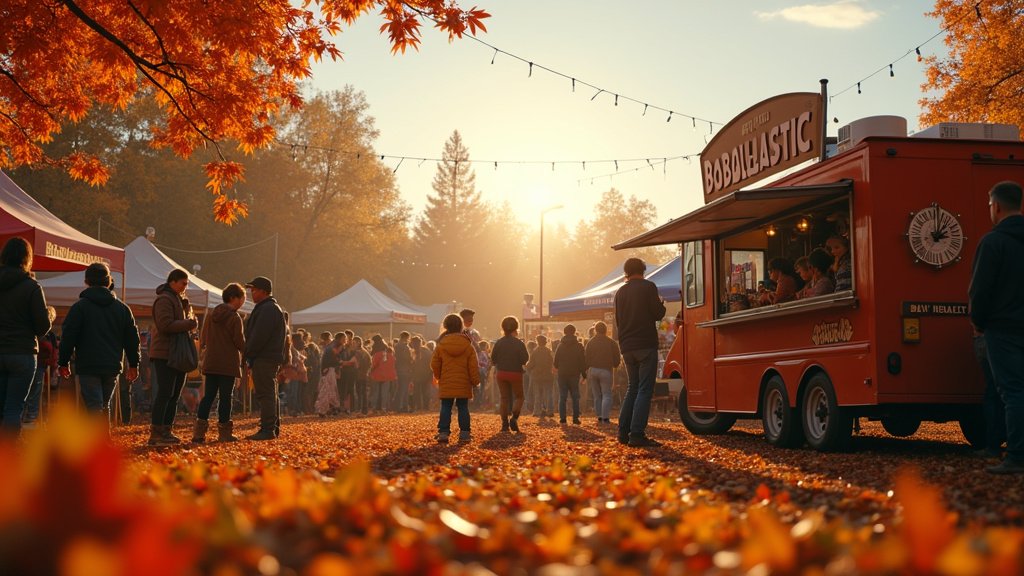
At the heart of the Pickathon experience is a refusal to accept the inevitability of waste. The event employs a closed-loop system where every food vendor is required to serve meals on reusable dishware. Attendees pay a deposit for these items, which are then returned, washed, and recirculated throughout the weekend. This is not merely a recycling program; it is a fundamental redesign of the festival supply chain. By managing the flow of materials entering and exiting Pendarvis Farm, the organizers have achieved diversion rates that are statistically impossible for traditional festivals, which often generate tons of waste in a matter of days.
Nature as a Performing Partner
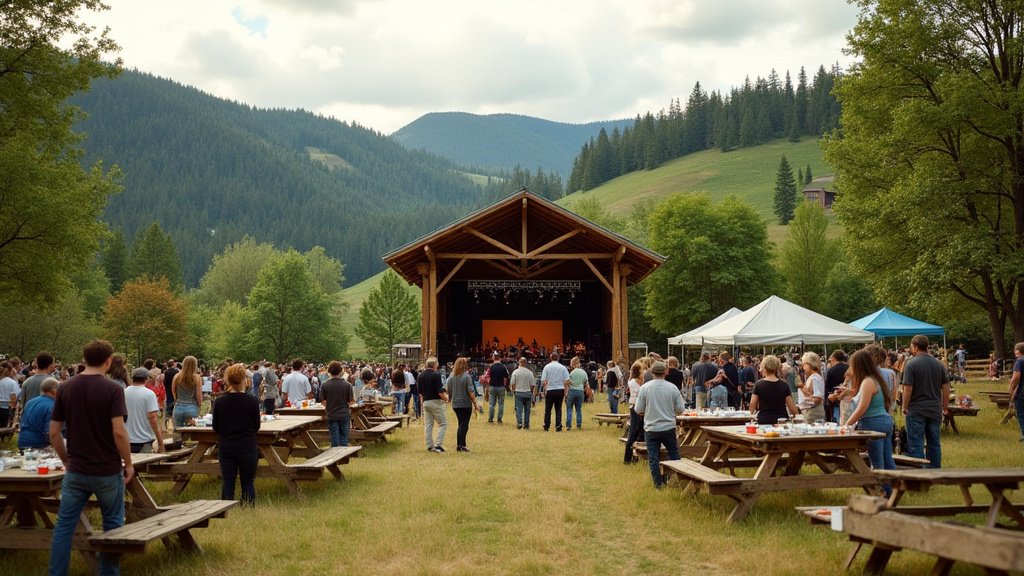
The location choice—Pendarvis Farm—is essential to this ethos. The landscape of Happy Valley is treated as a participant rather than a backdrop. By limiting the footprint of stages and controlling attendance numbers, Pickathon preserves the integrity of the farm’s rolling hills and forested edges. This physical limitation forces a specific kind of artistic intimacy. Artists performing at Pickathon often remark on the distinct lack of ‘festival fatigue.’ The soundscapes are curated for clarity and presence rather than the sonic overwhelm typical of stadium-sized festivals, allowing for a more nuanced appreciation of the music.
Economic and Cultural Ripple Effects
Beyond the farm, Pickathon functions as an economic engine for the Oregon event scene. By proving that sustainability is compatible with profitability, the festival has encouraged local vendors, travel partners, and tech providers to innovate. The ‘Pickathon effect’ has helped solidify Oregon’s brand as a leader in eco-conscious tourism. As consumers become more environmentally literate, they are increasingly seeking out events that align with their values. Pickathon’s leadership in this space provides a competitive advantage, attracting a demographic of attendees who are willing to pay for a premium, guilt-free experience. This shift represents a broader transformation in the live entertainment industry, where ESG (Environmental, Social, and Governance) criteria are becoming as important to organizers as ticket sales.
FAQ: People Also Ask
How does the zero-waste system work for attendees?
Attendees participate in a closed-loop dishware program. Upon purchasing food, they receive meals in reusable plates and bowls. These items are returned to designated stations throughout Pendarvis Farm, where they are sanitized and reintroduced into the rotation, ensuring that virtually no single-use trash is generated at dining points.
Why is Pendarvis Farm considered a ‘cornerstone’ location?
Beyond its scenic beauty in Happy Valley, Pendarvis Farm allows for a controlled, sustainable event environment. Its layout supports the festival’s specific infrastructure requirements, such as composting zones and limited traffic impact, which would be difficult to manage in an urban or typical stadium venue.
How does Pickathon compare to other major music festivals?
While many large festivals focus on scale and volume, Pickathon prioritizes ‘intimacy and impact.’ The festival intentionally limits its capacity to ensure that the ecological footprint remains low and that every attendee has a high-quality experience, differentiating itself from the massive, sprawling events that prioritize ticket volume over environmental and acoustic quality.