The Oregon Beer Renaissance: Strategic Expansion in a Changing Market
The narrative surrounding the American craft beer industry over the past twenty-four months has been one of contraction—citing rising ingredient costs, changing consumer habits, and post-pandemic market corrections. However, in the Pacific Northwest, a different, more nuanced story is unfolding. Oregon’s brewing scene is not merely surviving; it is evolving through a calculated, high-touch strategy: the taproom-first model. By shifting focus from aggressive retail distribution to community-centric, on-premise experiential consumption, Oregon breweries are successfully mitigating risk and fostering deeper brand loyalty.
Why the Taproom-First Model is Winning
For many mid-sized and independent breweries, the traditional distribution model—relying on grocery shelf space and heavy keg competition—has become fraught with razor-thin margins. The “Taproom-First” approach changes the economic calculus. By capturing the full retail price of a pint rather than splitting margin with wholesalers and retailers, breweries can maintain higher profitability even at lower production volumes.
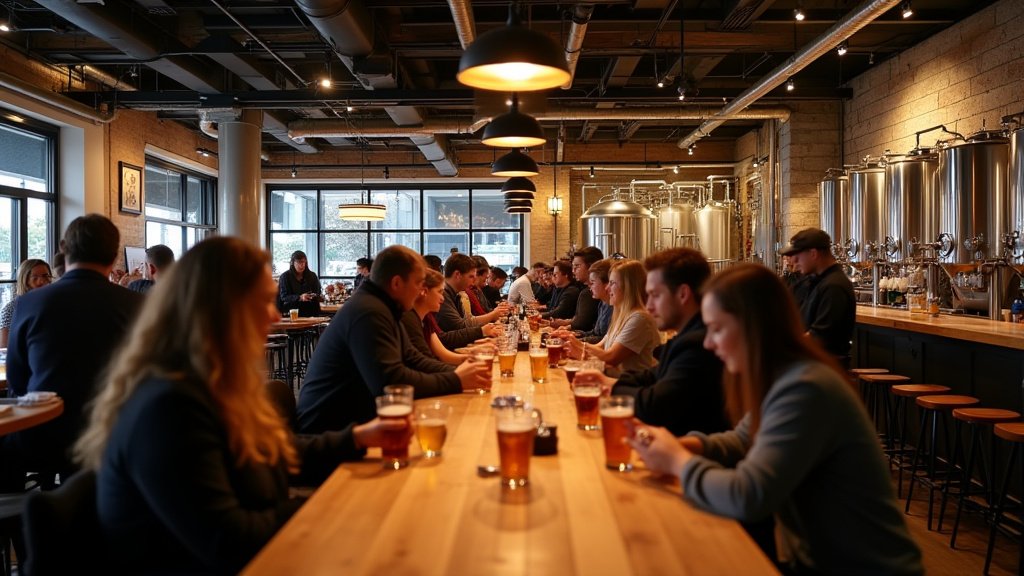
Furthermore, these new taprooms serve as critical community hubs. In a digital-first world, the physical taproom provides the “third space” that consumers crave. The recent wave of openings in Oregon isn’t just about selling beer; it is about building a destination. Whether through partnerships with local food trucks, integrated dining experiences, or specialized event programming, these locations are designed to create a sticky, recurring customer base that is immune to the volatility of external retail pressures.
Spotlight: Six Recent Oregon Taproom Openings
While industry pundits discuss a “beer bubble,” the data suggests that smart growth is still very much alive. Here are six recent taproom openings that exemplify this resilient shift:
1. Breakside Brewery (Northwest Portland Expansion): Building on its massive reputation, Breakside continues to push into underserved neighborhoods, focusing on design-forward spaces that marry industrial aesthetics with comfortable, family-friendly seating arrangements.
2. SteepleJack Brewing (Multiple Neighborhood Hubs): SteepleJack has masterfully utilized the adaptive reuse of historical buildings, creating a “neighborhood pub” feel that prioritizes local foot traffic over statewide distribution. Their recent expansion into the SW Portland corridor exemplifies the “hyper-local” strategy.
3. BinaryBrewing.Co (The “Tech-Forward” Pivot): Located in the vibrant Beaverton area, this taproom embraces a unique niche, combining an innovative tap list with a space designed for the modern remote worker and tech professional, proving that taprooms can double as flexible co-working or community spaces.
4. Great Notion Brewing (Experiential Focus): Known for their culinary-inspired brews, their recent expansions prioritize a high-touch, sensory experience. They are betting big on the idea that customers will travel for a specific, elevated craft experience rather than generic variety.
5. Baerlic Brewing (The “Sustainable Taproom” Concept): Their latest locations have focused heavily on sustainability and low-impact operations. By integrating energy-efficient cooling systems and local sourcing, they are appealing to a more environmentally conscious consumer demographic.
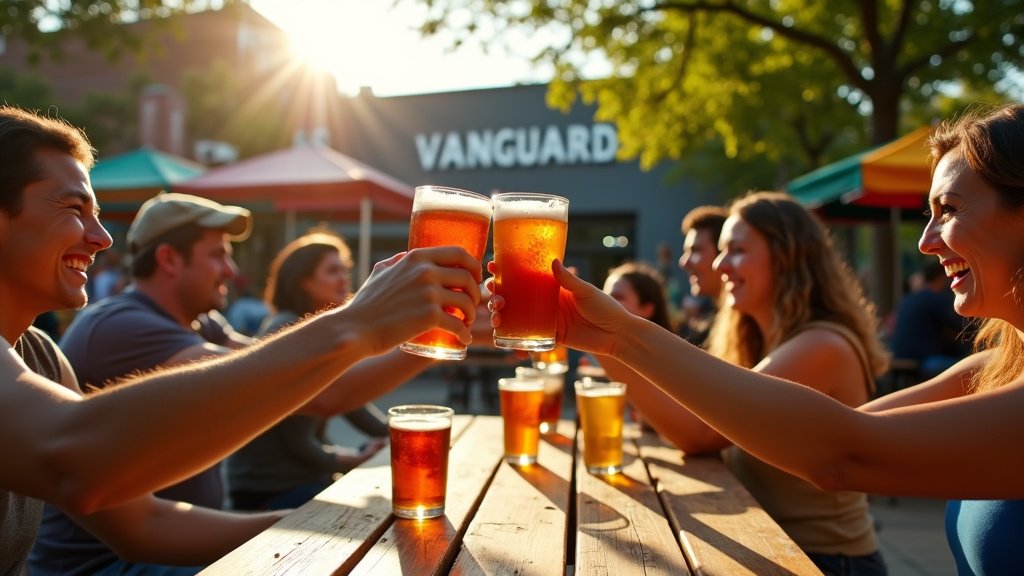
6. Wayfinder Beer (Expansion of the Experience): Known for their lagers, their most recent physical expansion focuses on the “beer garden” aspect. By leaning into outdoor, communal seating, they cater to the post-pandemic desire for fresh-air social settings, which remains a massive draw for the Oregon market.
Economic Impact and Local Community Resilience
Beyond the beer, these openings represent significant capital investment in their respective micro-economies. Each new taproom creates local jobs—from service staff to brewing assistants—and drives foot traffic to surrounding businesses. When a brewery opens a new location, it rarely acts in isolation; it anchors a district. We are seeing a pattern where these taprooms act as catalysts for commercial revitalization in urban and suburban sectors that were previously quiet. This “anchor tenant” status allows breweries to negotiate better lease terms and benefit from established municipal infrastructure, further lowering the barrier to entry for expansion.
Looking Ahead: The Future of Oregon Brewing
Looking toward 2025, we expect this trend of “quality over volume” to continue. The breweries that succeed in the next phase of the craft beer cycle will be those that view their taprooms not just as a way to sell beer, but as a brand platform. We will likely see further integration of non-beer beverage programs—such as high-end craft sodas, kombucha, and localized cider collaborations—within these taprooms to attract a wider demographic. The lesson from Oregon is clear: the industry isn’t dying; it’s refining. By getting closer to the customer, breweries are insulating themselves from the broader economic trends that have shuttered less nimble competitors. For the consumer, this means better spaces, fresher beer, and a more vibrant community culture.