Oregon’s Governor has declared a state of emergency as the risk of wildfires intensifies across the state. This proactive measure aims to mobilize resources and prepare for potential large-scale fires amidst dry conditions and high winds.
- A state of emergency has been declared by Governor Tina Kotek.
- The declaration is in response to an elevated wildfire threat due to dry weather and high winds.
- Resources are being mobilized to enhance preparedness and response capabilities.
- Residents in fire-prone areas are urged to take precautions.
Escalating Wildfire Risk in Oregon
The declaration of a state of emergency in Oregon signals a critical juncture in the state’s preparedness for wildfire season. Governor Tina Kotek’s decision comes as a direct response to the increasingly dangerous conditions fueled by a combination of prolonged dry spells, high temperatures, and gusty winds that are becoming a frequent threat to natural landscapes. This formal declaration empowers state agencies to access and deploy necessary resources more rapidly, including personnel, equipment, and funding, to mitigate the impact of potential wildfires. The aim is to bolster the state’s firefighting capabilities and to coordinate efforts with federal and local partners to ensure a robust and effective response should fires ignite.
Factors Contributing to the Threat
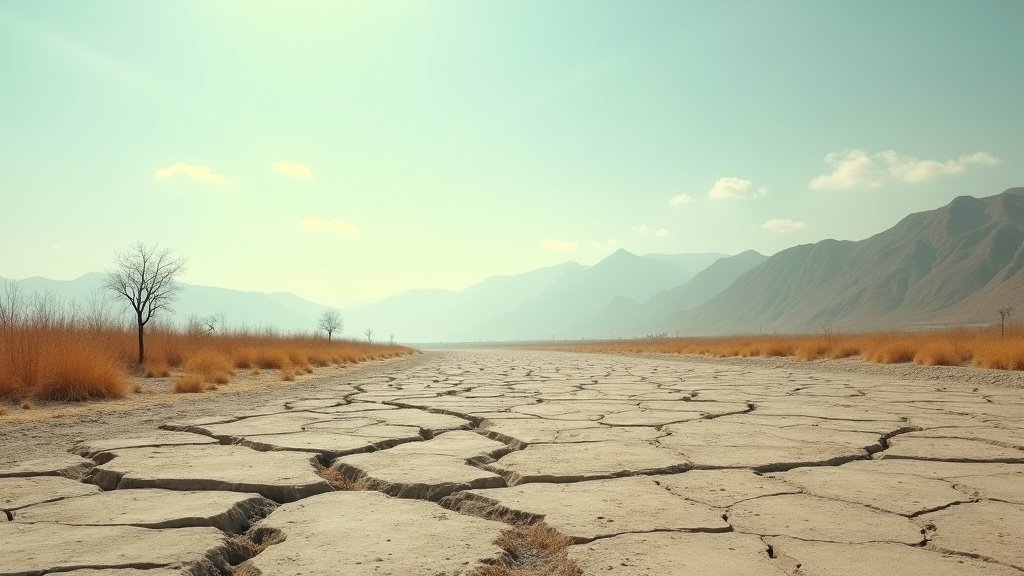
Several environmental factors have converged to create an urgent situation. Years of drought have left vast tracts of Oregon’s forests and grasslands exceptionally dry, making them highly susceptible to ignition. The current weather patterns, characterized by low humidity and strong, erratic winds, significantly increase the likelihood of fires starting and spreading rapidly. These conditions are not only challenging for containment efforts but also pose a severe risk to communities located near wildland areas.
Government Response and Resource Mobilization
The state of emergency allows for streamlined access to emergency funds and personnel. The Oregon Office of Emergency Management, in conjunction with the Oregon Department of Forestry, is coordinating the allocation of resources. This includes pre-positioning firefighting crews, aircraft, and equipment in high-risk zones. Mutual aid agreements with neighboring states and federal agencies are being reinforced to ensure that a large-scale incident can be met with a coordinated and overwhelming response. Public awareness campaigns are also being intensified to educate residents on fire prevention and safety measures.
Community Preparedness and Public Guidance
Beyond governmental actions, the declaration serves as a crucial alert to the public. Residents in wildfire-prone areas are being strongly advised to prepare their homes and properties by creating defensible spaces, maintaining an emergency kit, and developing a family evacuation plan. Information regarding potential evacuation zones and safety guidelines is being disseminated through local authorities and emergency management channels. The cooperation of the public in adhering to fire restrictions, such as burn bans and campfire regulations, is paramount to preventing human-caused ignitions.
Secondary Angles
#### Economic and Environmental Impact
The long-term economic and environmental ramifications of increasingly severe wildfire seasons are a growing concern for Oregon. Large fires can devastate timber resources, disrupt agricultural operations, and cause significant damage to infrastructure, leading to substantial recovery costs. The ecological impact includes loss of biodiversity, soil erosion, and degradation of air and water quality. These factors necessitate a strategic shift towards more resilient land management practices and investments in wildfire prevention technologies.
#### Historical Context of Oregon Wildfires
Oregon has a history of significant wildfire events, with past seasons serving as stark reminders of the destructive potential of uncontrolled fires. Understanding the patterns and triggers of these historical fires, such as the devastating 2020 fire season which burned over a million acres, provides valuable lessons for current preparedness strategies. Analysis of past events informs risk assessments, resource allocation, and the development of more effective long-term mitigation plans.
#### Future Outlook and Climate Change
Experts increasingly link the intensity and frequency of wildfires to broader climate change trends. Warmer temperatures, altered precipitation patterns, and longer dry seasons are creating conditions conducive to more extreme fire behavior. The current state of emergency in Oregon is likely a harbinger of future challenges, underscoring the need for comprehensive climate adaptation strategies and sustained investment in wildfire management and prevention across the Western United States.
FAQ: People Also Ask
What is a state of emergency for wildfires?
A state of emergency for wildfires is a formal declaration by a governor or other authorized official that mobilizes additional state resources, funding, and personnel to combat an imminent or ongoing wildfire threat. It allows for expedited decision-making and resource deployment to protect lives, property, and natural resources.
What should I do if a wildfire is near my home?
If a wildfire is near your home, stay informed by monitoring local news and emergency alerts. Have an evacuation plan ready, including a designated meeting place and route. Prepare an emergency kit with essentials like food, water, medications, and important documents. If an evacuation order is issued, leave immediately and follow the instructions of emergency personnel.
How does Oregon prepare for wildfire season?
Oregon prepares for wildfire season through various measures, including fuel management, prescribed burns, fire detection systems, pre-positioning firefighting crews and equipment, and public education campaigns. The Oregon Department of Forestry and the Office of Emergency Management work in coordination with federal and local agencies.
What are the main causes of wildfires in Oregon?
Wildfires in Oregon are typically caused by a combination of natural factors, such as lightning, and human activities, including unattended campfires, escaped debris burns, equipment sparks, and arson. Dry conditions, high winds, and high temperatures significantly exacerbate the risk and spread of these fires.
How does a state of emergency help with wildfire response?
A state of emergency provides a legal and administrative framework to quickly access and deploy critical resources, including financial aid, specialized personnel, and equipment from other jurisdictions or agencies. It also facilitates inter-agency coordination and can waive certain regulations to speed up response and recovery efforts.