As Oregon’s digital landscape expands, the state is shifting from an open-door policy to a new era of scrutiny. Governor Tina Kotek’s newly established Data Center Advisory Committee has convened to begin drafting statewide regulations aimed at curbing the immense resource demands of hyperscale computing facilities. For years, the Pacific Northwest—and specifically the “Silicon Forest” region—has served as a primary global hub for data storage, thanks to low-cost electricity and moderate climates. However, the rapid proliferation of these facilities has outpaced infrastructure capacity, leading the state to prioritize legislative intervention to preserve local water and energy reserves.
The Silicon Forest at a Crossroads
For the past two decades, Oregon, particularly Washington County and the City of Hillsboro, has aggressively courted data center developers. This strategy successfully transformed the region into a cornerstone of the global cloud infrastructure, attracting industry giants like Meta, Google, and Amazon. However, this success has come at a cost. The current regulatory environment is fragmented, with local municipalities often ill-equipped to handle the massive, long-term resource planning required by these “hyperscale” operations.
Local residents and community advocates have increasingly voiced concerns over how these facilities interact with municipal utilities. The primary tension point is not economic growth—which remains substantial—but rather the sustainability of the region’s shared resources. As the Data Center Advisory Committee begins its work, the central question is no longer whether Oregon should host data centers, but how the state can enforce standardized, sustainable operational practices that protect the public interest.
The Infrastructure Conflict: Water and Watts
Data centers are notorious for two specific resource dependencies: massive amounts of electricity for processing power and, crucially, significant quantities of water for cooling. Modern data centers often utilize evaporative cooling systems, which can consume millions of gallons of water daily, a prospect that has alarmed environmental groups and local water districts during times of drought or scarcity.
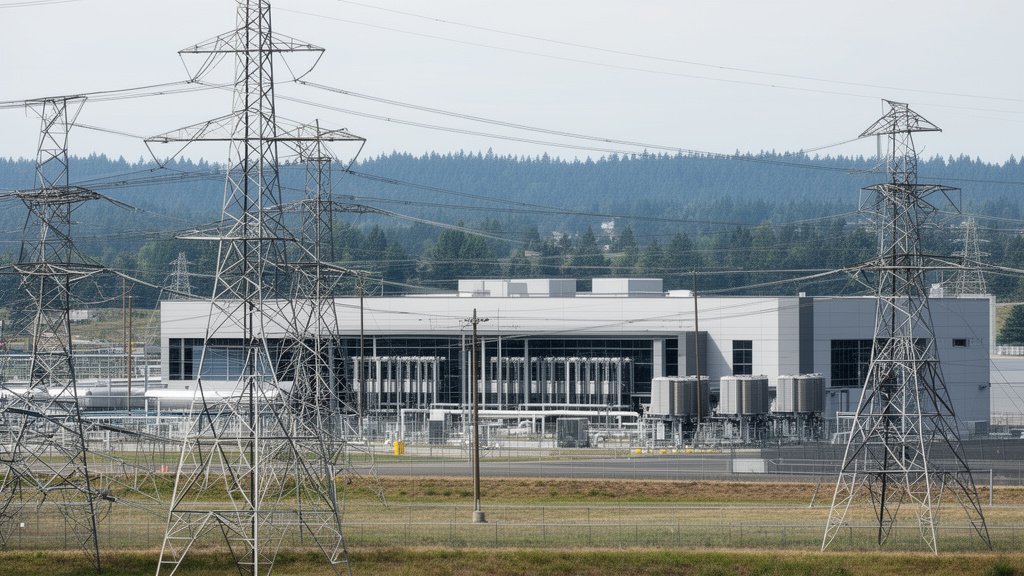
Simultaneously, the energy demand is staggering. These facilities require consistent, 24/7 power, often referred to as baseload capacity. When a hyperscale data center connects to the local grid, it can effectively double or triple the power demand of an entire city block. With the existing grid infrastructure already straining under the pressure of residential electrification and industrial needs, the addition of massive server farms creates a potential reliability risk.
Governor Kotek’s administration is positioning the committee to address these specific technical limitations. By establishing statewide regulations, the committee aims to move beyond a patchwork of local agreements, creating a unified set of requirements that data center operators must meet regarding cooling efficiency, water recycling mandates, and grid-support contributions.
Regulatory Intentions vs. Economic Realities
One of the most complex challenges for the committee is maintaining Oregon’s competitive edge. The state relies heavily on the tax revenue and employment figures generated by the tech sector. Stricter regulations could, in theory, drive developers toward competing markets in neighboring states. The committee is therefore tasked with a delicate balancing act: implementing “guardrails” that ensure infrastructure stability without stifling the economic engine that has defined the Oregon tech corridor.
Industry representatives have argued that data center operators are already investing heavily in renewable energy credits and advanced liquid cooling technologies. However, the committee’s mandate suggests that voluntary measures are no longer sufficient. Legislators and policy experts are looking toward mandates that could include site-specific water impact studies and “load-shifting” requirements, which would compel data centers to throttle consumption during peak demand hours, thereby shielding residential ratepayers from potential cost spikes.
The Path Forward for Policy
The drafting phase marks a critical departure from the laissez-faire approach of the early 2000s. The Data Center Advisory Committee is expected to analyze data regarding total load capacity across the state’s transmission lines, cross-referenced with municipal water availability forecasts for the next twenty years. This data-driven approach is designed to produce policy recommendations that are legally defensible and operationally practical.
As the meetings progress, stakeholders from the energy sector, municipal governments, and tech industry groups will provide testimony. The final proposals, expected to reach the Governor’s desk in the coming legislative cycle, will likely establish a new blueprint for how states can manage the intersection of digital infrastructure and environmental sustainability. For Oregon, this is a moment of recalibration: acknowledging the necessity of the digital economy while demanding that it respect the finite resources of the community.