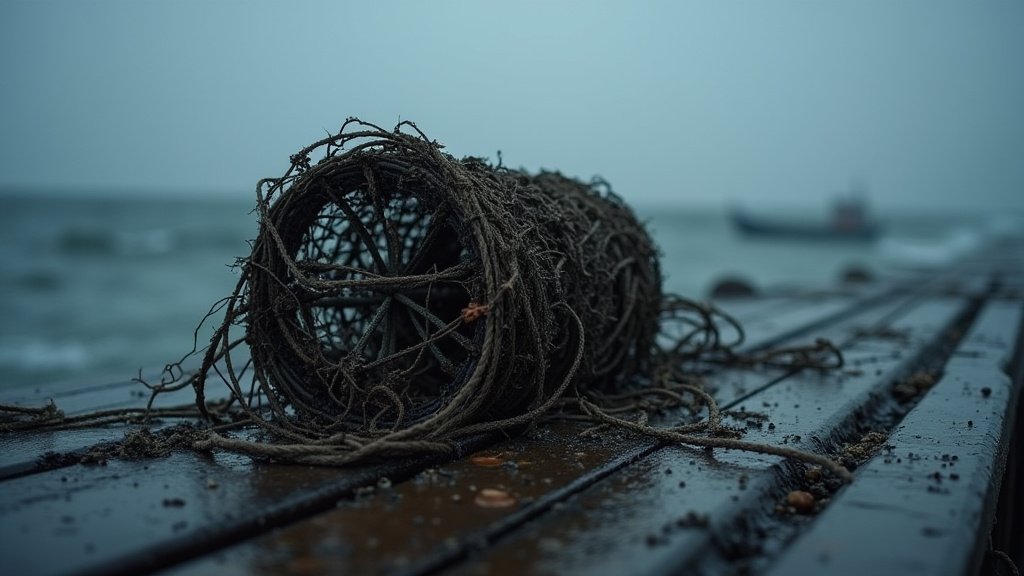
Oregon’s commercial Dungeness crab fishery is grappling with a dual crisis: deepening uncertainty over federal permit renewals and ongoing challenges with whale entanglements.
Key Highlights:
- Federal permit uncertainty threatens the livelihood of Oregon crabbers.
- Whale entanglements continue to pose a significant risk to marine life and fishing operations.
- The fishery faces a complex interplay of regulatory, environmental, and economic pressures.
Navigating Regulatory Storms and Entanglement Risks
The Oregon commercial Dungeness crab fishery, a cornerstone of the state’s coastal economy, is currently ensnared in a complex web of regulatory uncertainty and persistent environmental concerns. At the heart of the immediate crisis lies the precarious future of federal permits, which are essential for many crabbers to operate. These permits, governed by federal agencies, are undergoing review, leading to anxiety and speculation about potential restrictions or even non-renewal. This situation is compounded by the ever-present threat of whale entanglements, a recurring issue that not only endangers marine mammals but also leads to fishery closures and economic disruptions. The convergence of these issues creates a challenging operational landscape for the state’s crabbers, who rely on predictable access to fishing grounds and stable regulatory frameworks. The Dungeness crab industry supports thousands of jobs, from fishermen and processors to distributors and restauranteurs, making the current uncertainties a significant concern for coastal communities throughout Oregon.
The Permit Puzzle: Federal Authority and Local Impact
The federal permitting process for the Dungeness crab fishery is a critical, yet often opaque, element of operations. Historically, permits have been renewed, but recent reviews have introduced a new layer of apprehension. Agencies like the National Oceanic and Atmospheric Administration (NOAA) Fisheries are involved in managing these permits, often balancing commercial interests with conservation goals. For Oregon’s crabbers, many of whom have operated for generations, the potential for changes in permit status represents an existential threat. The lack of clear timelines and definitive information regarding permit renewals exacerbates the stress, forcing businesses to plan for a range of uncertain outcomes. This regulatory ambiguity can have ripple effects, impacting investment in vessels and gear, as well as the financial stability of fishing families.
Whale Entanglements: A Persistent Environmental Hazard
The issue of whale entanglements in fishing gear, particularly crab pot lines, has been a growing concern over the past decade. These entanglements can lead to severe injury or death for whales, including endangered species like the humpback whale and blue whale. In response to these risks, regulatory bodies have implemented measures such as time/area closures and modifications to fishing gear, such as the use of ropeless fishing technology or weaker ropes. While these measures aim to protect marine life, they can also impose additional costs and operational challenges on fishermen. The Dungeness crab fishery, with its extensive network of pots and lines, is particularly susceptible. Successful mitigation strategies require ongoing collaboration between fishermen, scientists, and regulatory agencies to find effective solutions that balance conservation needs with the economic viability of the fishery.
Economic Ripples and Community Dependence
The Dungeness crab fishery is not just an industry; it is a vital part of Oregon’s coastal culture and economy. The uncertainty surrounding permits and the ongoing risk of entanglement have far-reaching economic consequences. A disrupted or curtailed fishing season can mean substantial losses for fishermen, processors, and related businesses. Local communities that depend on the fishery for employment and revenue face economic hardship. The ripple effect extends to the hospitality sector, as the availability of fresh Dungeness crab is a significant draw for tourism. Ensuring the long-term sustainability of the fishery is therefore crucial not only for the fishermen themselves but for the broader economic health of Oregon’s coastal regions.
Looking Ahead: Adaptation and Advocacy
The Oregon Dungeness Crab Commission and various fishing associations are actively engaged in advocating for the industry. They are working to provide clarity on the federal permit process, seeking extensions or assurances where possible. Simultaneously, efforts are underway to explore and implement innovative solutions for whale entanglement prevention, including research into new gear types and best practices. The industry is demonstrating a commitment to adapting to environmental challenges while seeking policy solutions that support its continued operation. The path forward will likely involve continued dialogue, scientific research, and adaptive management strategies to ensure the resilience of this iconic fishery.
FAQ: People Also Ask
What is the Dungeness crab fishery known for?
Oregon’s Dungeness crab fishery is renowned for producing high-quality, flavorful crab, and it is a significant contributor to the state’s economy and cultural heritage. It is one of the most valuable fisheries on the U.S. West Coast.
Why are whale entanglements a problem for crab fisheries?
Whale entanglements occur when whales become caught in fishing gear, such as ropes from crab pots. This can cause severe injury, stress, or death to the whales and can also lead to fishery closures, economic losses for fishermen, and increased regulatory scrutiny.
Who manages federal permits for commercial fisheries?
Federal permits for commercial fisheries in the United States are typically managed by the National Oceanic and Atmospheric Administration (NOAA) Fisheries. They work to balance the sustainability of fish stocks, marine ecosystems, and the economic needs of the fishing industry.
What are the economic impacts of the crab fishery in Oregon?
The Dungeness crab fishery is a major economic driver for Oregon’s coastal communities, supporting thousands of jobs directly and indirectly. It generates significant revenue through landings, processing, and exports, and it plays a crucial role in the state’s identity and tourism sector.
What is being done to address the uncertainties in the crab fishery?
Efforts to address the uncertainties include active advocacy by fishing associations to clarify federal permit processes, research and implementation of whale-safe fishing gear, collaboration with regulatory agencies, and the development of strategies to ensure the long-term economic and ecological sustainability of the fishery.