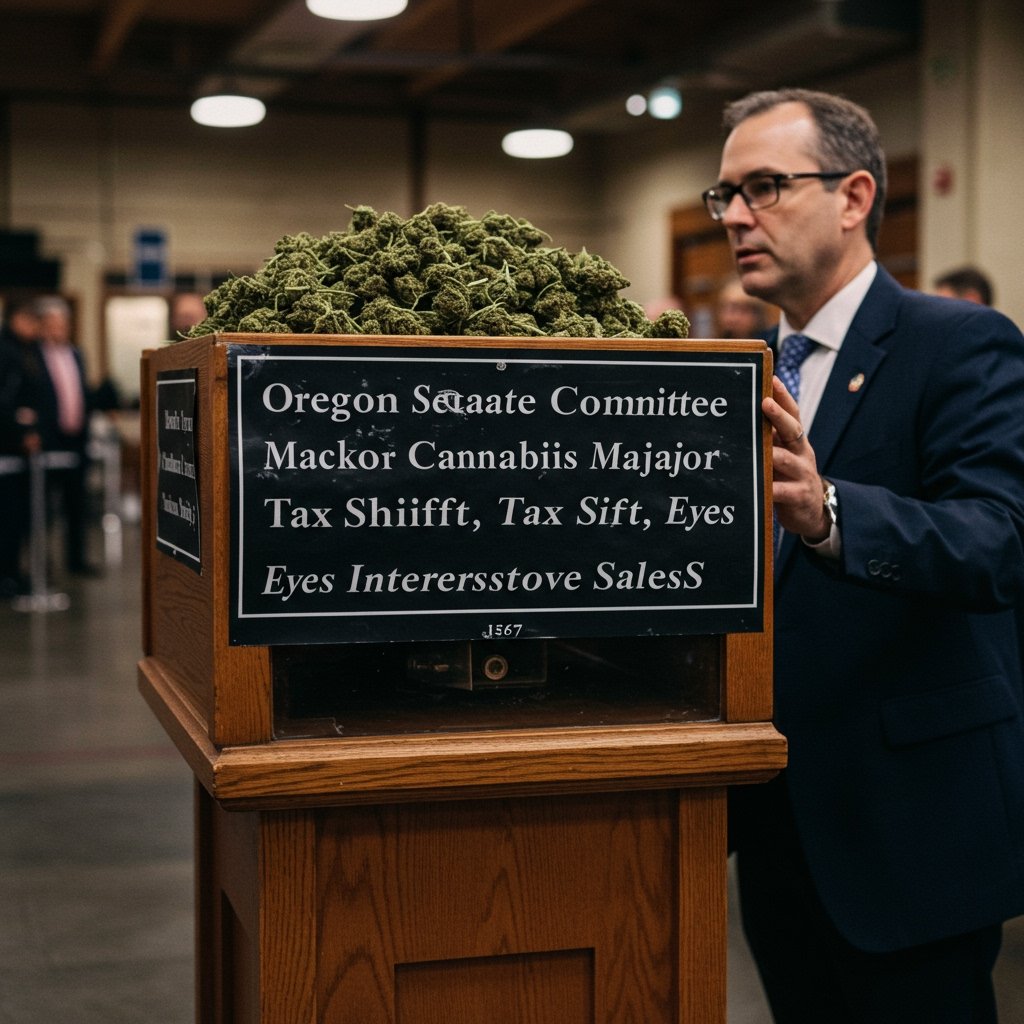
Oregon’s 2026 legislative session has concluded, leaving the state’s multi-billion dollar cannabis industry in a state of cautious optimism mixed with regulatory uncertainty. The session, which prioritized economic stabilization, ultimately resulted in a fragmented outcome for stakeholders: the successful enactment of the Cannabis Compliance Modernization Act (HB 4142) stands in stark contrast to the legislative failure of the proposed edible potency cap bill (SB 1548). For operators, regulators, and public health advocates, the session serves as a bellwether for how Oregon intends to manage the next phase of its mature market maturity—balancing the financial necessity of small businesses with the persistent calls for stricter consumer safety standards.
Key Highlights
- HB 4142 Enacted: The Cannabis Compliance Modernization Act successfully passed, streamlining licensing renewals and reducing administrative overhead for state-licensed dispensaries.
- SB 1548 Stalled: A highly debated bill seeking to impose stricter THC limits on edible cannabis products failed to clear committee, preserving current potency regulations for the foreseeable future.
- Industry Relief: Cannabis trade groups have characterized the session as a defensive success, avoiding potential market disruption that critics argued would have resulted from the proposed edible caps.
- Future Outlook: Analysts predict that the failure of SB 1548 will set the stage for a more aggressive lobbying cycle in 2027, as public health advocates prepare to reintroduce revised safety standards.
A Legislative Balancing Act: The 2026 Session Outcomes
The 2026 Oregon legislative session was defined by an ongoing tension between the maturation of the state’s legal cannabis economy and the persistent regulatory friction inherent in the industry. As the state moves further away from the initial chaos of legalization, the focus has shifted toward efficiency and public safety. This year, the Legislature faced two primary pathways regarding cannabis: the path of operational modernization, represented by House Bill 4142, and the path of restrictive product regulation, exemplified by Senate Bill 1548.
The Success of HB 4142: Compliance Modernization
The passing of HB 4142 represents a tangible win for operators. The bill addresses the bureaucratic bottlenecks that have historically plagued the Oregon Liquor and Cannabis Commission (OLCC) licensing process. Prior to the enactment of this bill, small-to-medium-sized dispensaries often faced significant administrative delays during license renewal periods—delays that translated into lost revenue and operational instability. HB 4142 codifies a ‘deemed-approved’ status for certain routine renewal applications if the OLCC fails to act within a prescribed timeframe. This is a massive victory for the industry, ensuring that businesses are not shuttered or forced to suspend sales due to bureaucratic backlogs that are out of their control. By digitizing key aspects of the compliance verification process, the state has signaled a commitment to maintaining a functional, tax-generating market that supports, rather than stifles, legitimate enterprise.
The Standoff: SB 1548 and the Edible Potency Debate
Conversely, the death of SB 1548 in the waning days of the session has left a significant policy gap. The bill, which sought to cap THC concentration in single-serving edible products, was positioned by its sponsors as a crucial public health intervention. Proponents argued that the current market allows for high-potency edibles that, while popular, pose significant risks to novice users and minors, potentially leading to increased emergency department visits for THC-related adverse effects. However, the opposition was fierce. Industry lobbying groups argued that the proposed caps were arbitrary, not rooted in sufficient clinical evidence, and would disproportionately punish manufacturers who had already invested in existing product formulations. The failure of SB 1548 suggests that for now, the Oregon legislature is unwilling to impose significant product-based restrictions that might undermine the profitability of the state’s established cannabis manufacturing sector.
Economic Implications for Oregon Dispensaries
From an economic perspective, the current status quo—marked by the passage of HB 4142 and the rejection of SB 1548—is generally viewed as a ‘pro-business’ outcome. The cost of compliance, while still high in Oregon compared to other jurisdictions, has been stabilized. Dispensaries can now operate with the assurance that they will not be blindsided by abrupt regulatory changes regarding product potency. This stability is critical for attracting the capital necessary for long-term growth and market consolidation. However, it also creates an environment where competitive pressures will remain high, as there are no new product limitations to differentiate the market landscape.
Navigating the Political Climate
The 2026 session highlighted a shift in the political coalition surrounding cannabis. In previous years, the debate was centered on the legality of cannabis itself; today, it is about the mechanics of the market. The divergence between the outcomes of HB 4142 and SB 1548 reveals that while there is bipartisan support for making the cannabis industry a reliable, functioning part of the state economy, there is no such consensus regarding the introduction of new safety regulations. Public health advocates are likely to view this session as a setback, and sources within the State Capitol suggest that they are already drafting amendments for the 2027 legislative cycle. They aim to reframe the conversation around ‘responsible consumption’ rather than ‘potency caps’ to gain broader legislative traction.
FAQ: People Also Ask
Q: What exactly does HB 4142 change for cannabis retailers?
A: HB 4142 streamlines the licensing renewal process, introducing a ‘deemed-approved’ mechanism that prevents businesses from facing closure due to bureaucratic delays in the renewal process at the OLCC.
Q: Why was SB 1548 rejected by the legislature?
A: SB 1548 faced heavy opposition from industry trade groups who argued that the proposed THC limits were scientifically arbitrary, difficult to enforce, and would inflict unnecessary financial damage on manufacturers and retailers without a clear public health benefit.
Q: Does the failure of SB 1548 mean edible regulations will never change?
A: No. While the bill failed in the 2026 session, it serves as a starting point for future discussions. Analysts expect public health advocates to reintroduce revised, perhaps more targeted, legislation in 2027.
Q: How does the current legislative outcome affect cannabis prices?
A: Because no new restrictive potency caps were implemented, there is no immediate regulatory pressure to change product formulations, meaning retail prices are likely to remain dictated by existing market supply and demand rather than legislative intervention.