After hosting barrel-aged beer enthusiasts and local brewers since 2009, the iconic Little Woody beer festival has officially announced it will not continue, marking the end of a significant era for Oregon craft beer gatherings. The festival, which became a staple in Bend, Oregon, was renowned for its intimate focus on wood-aged ales, sours, and rare brews, carving out a unique identity in a state saturated with beer-centric events.
Key Highlights
- The End of an Era: The Little Woody festival, founded in 2009, has permanently ceased operations after 15 years of service to the Pacific Northwest craft beer community.
- Niche Specialization: The event was distinct for its rigorous dedication to barrel-aged, sour, and wood-aged beer, providing a platform for smaller breweries that often went overshadowed at larger festivals.
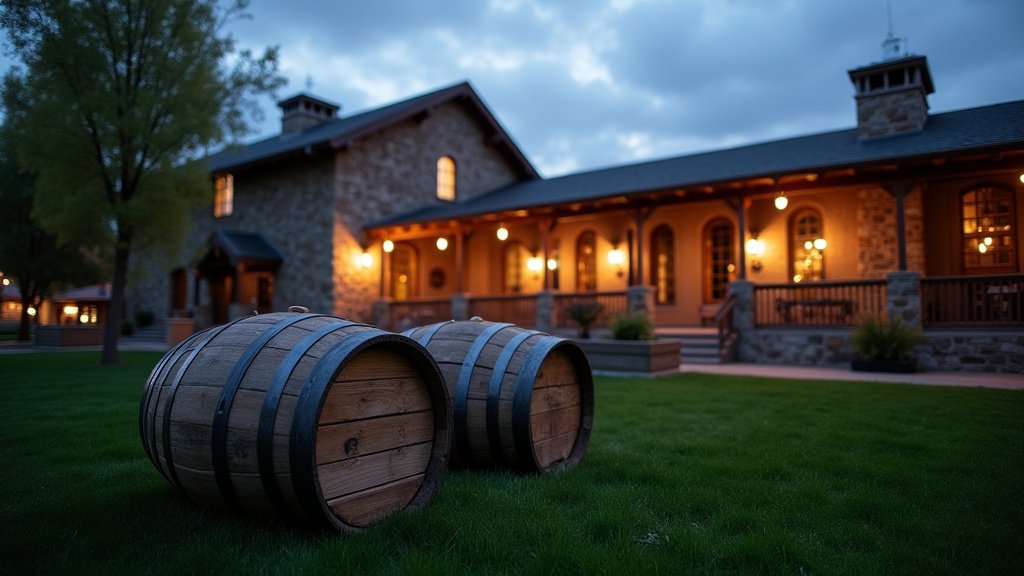
- Operational History: Produced by Lay It Out Events, the festival was traditionally held at the Deschutes Historical Museum grounds in Bend, offering a historic backdrop to the artisanal tasting experience.
- Broader Industry Implications: The closure reflects ongoing consolidation and shifting consumer behaviors within the craft beer industry, where direct-to-consumer taproom experiences are increasingly prioritized over traditional festival formats.
The Legacy of Oregon’s Barrel-Aged Icon
For over a decade, the Little Woody beer festival served as a bellwether for the sophistication of the Oregon craft beer scene. When it launched in 2009, the term “barrel-aged” was still gaining traction among general consumers, and the festival played a pivotal role in educating the public on the complexities of wood-aged fermentation. Unlike larger, high-volume beer festivals that often prioritized quantity and brand visibility, Little Woody leaned into a boutique, curated experience. It prioritized small-batch brewers—many from the Bend area and greater Oregon—who were experimenting with bourbon barrels, wine barrels, and native yeasts.
A Unique Approach to Craft Culture
The festival’s success was largely built on its atmosphere. By hosting the event at the Deschutes Historical Museum, organizers avoided the sterile environment of convention centers or parking lots. Attendees were invited to sample limited-edition beers in a setting that felt more like a refined gathering than a beer-fueled party. This approach fostered a culture of appreciation rather than consumption, drawing aficionados from across the Pacific Northwest who were eager to taste unique collaborations and “cellar-pull” bottles that were otherwise unavailable.
For the breweries involved, the festival offered a crucial marketing avenue. It allowed smaller, independent producers to stand toe-to-toe with established regional giants. The ability to engage directly with consumers while pouring a complex, barrel-aged stout created a feedback loop that helped shape future product development for many participating breweries. As the festival concludes, the loss of this specific platform leaves a noticeable void in the regional calendar for those who preferred the intimate, educational side of the brewing arts.
Market Realities and the Shifting Festival Landscape
The decision to shutter Little Woody is not an isolated incident but rather indicative of a broader trend affecting the beer festival industry. Over the past five years, the market for craft beer festivals has faced significant headwinds. The post-2020 economic landscape, characterized by rising operational costs, labor shortages, and changing social habits, has forced organizers to reevaluate the ROI of hosting large-scale public events.
The Shift Toward Taproom Reliance
As the craft beer market has matured, brewery owners have increasingly questioned the utility of external festivals. Many breweries have shifted their marketing focus to their own taprooms. By focusing on direct-to-consumer sales, breweries can capture a higher profit margin, avoid the heavy overheads of festival booth fees and staffing, and control the environment in which their beer is consumed. This model prioritizes “experience-based” visits—where patrons come to the brewery for a weekend event, music, or food—rather than the transient, short-term engagement of a traveling festival.
Furthermore, the “craft beer fatigue” phenomenon has impacted ticket sales. As options have exploded, the average consumer is more discerning, leading to a crowded calendar where only the largest, legacy festivals or highly unique events remain financially viable. For Little Woody, the difficulty was likely compounded by the necessity of high-quality, rare beers; the logistical challenge of sourcing enough barrel-aged product for a high-traffic event is exponentially higher than the logistics of a standard IPA festival.
Reflecting on 15 Years of Innovation
While the organizers, Lay It Out Events, have not signaled a revival of the brand, the closure serves as a moment for the Oregon brewing community to take stock. The Little Woody festival was a witness to the explosive growth of Bend’s beer scene, helping transition the city from a regional hub into a world-class destination for beer tourism.
Looking forward, the void left by Little Woody creates a vacuum that other, smaller niche festivals might eventually fill, but it is unlikely to be replicated in the same way. The festival was a product of a specific time in the craft beer industry’s evolution—a time when education, small-batch discovery, and physical community gatherings were the primary drivers of growth. As the industry pivots toward digital marketing and taproom-centric exclusivity, the memory of those afternoons in the Deschutes Historical Museum, sampling rare woods-aged ales, remains a nostalgic touchpoint for the early pioneers of the craft movement.
FAQ: People Also Ask
Q: Why is the Little Woody beer festival ending after all these years?
A: While specific financial details were not disclosed, the closure reflects a broader industry trend where the costs of organizing festivals, combined with changing consumer habits and a shift toward direct-to-taproom marketing, have made such events less sustainable for organizers and participating breweries.
Q: What happened to the breweries that used to showcase their beers at Little Woody?
A: Many of the breweries that participated in Little Woody continue to operate and are shifting their focus to their on-site taprooms, local distribution, and smaller, brewery-led events where they can control the margin and the brand experience without the overhead of a large festival.
Q: Was Little Woody the only beer festival in Bend, Oregon?
A: No, Bend has a vibrant beer culture and remains home to several other events throughout the year. However, Little Woody was unique in its specific focus on barrel-aged and wood-aged ales, which separated it from more general beer festivals in the region.
Q: Can I still find barrel-aged beers from these local Oregon breweries?
A: Yes. Most of the breweries that were regulars at Little Woody continue to produce barrel-aged, sour, and wood-aged programs. These can typically be found by visiting the breweries’ websites or their physical taprooms in Bend and surrounding areas.