The music industry hits a mid-week stride today, July 23, 2026, anchored by the commencement of the Cincinnati Music Festival and significant cultural landmarks in both modern chart performance and country music history. As the summer touring circuit reaches its apex, stakeholders and fans alike are witnessing a convergence of live music economic vitality, digital-era chart dominance, and the institutional recognition of contemporary country icons.
Key Highlights
- Cincinnati Music Festival Returns: The landmark multi-day event officially begins its 2026 run, solidifying its status as a major economic and cultural driver for the region.
- Ella Langley’s Chart History: The rising artist has secured a historic placement on the Billboard Hot 100, marking a pivotal moment in her career trajectory.
- Kenny Chesney Retrospective: The Country Music Hall of Fame and Museum unveils ‘Kenny Chesney: Living in Fast Forward,’ a comprehensive exhibition documenting the superstar’s career and impact on live performance.
The Pulse of the Industry: A Mid-Week Market Update
Today, July 23, 2026, serves as a microcosm of the current state of the music business, showcasing how the industry balances large-scale, in-person experiences with digital-age metrics and the preservation of long-term legacies. This confluence of events highlights the diversification of revenue streams and fan engagement.
The Cincinnati Music Festival: An Economic and Cultural Anchor
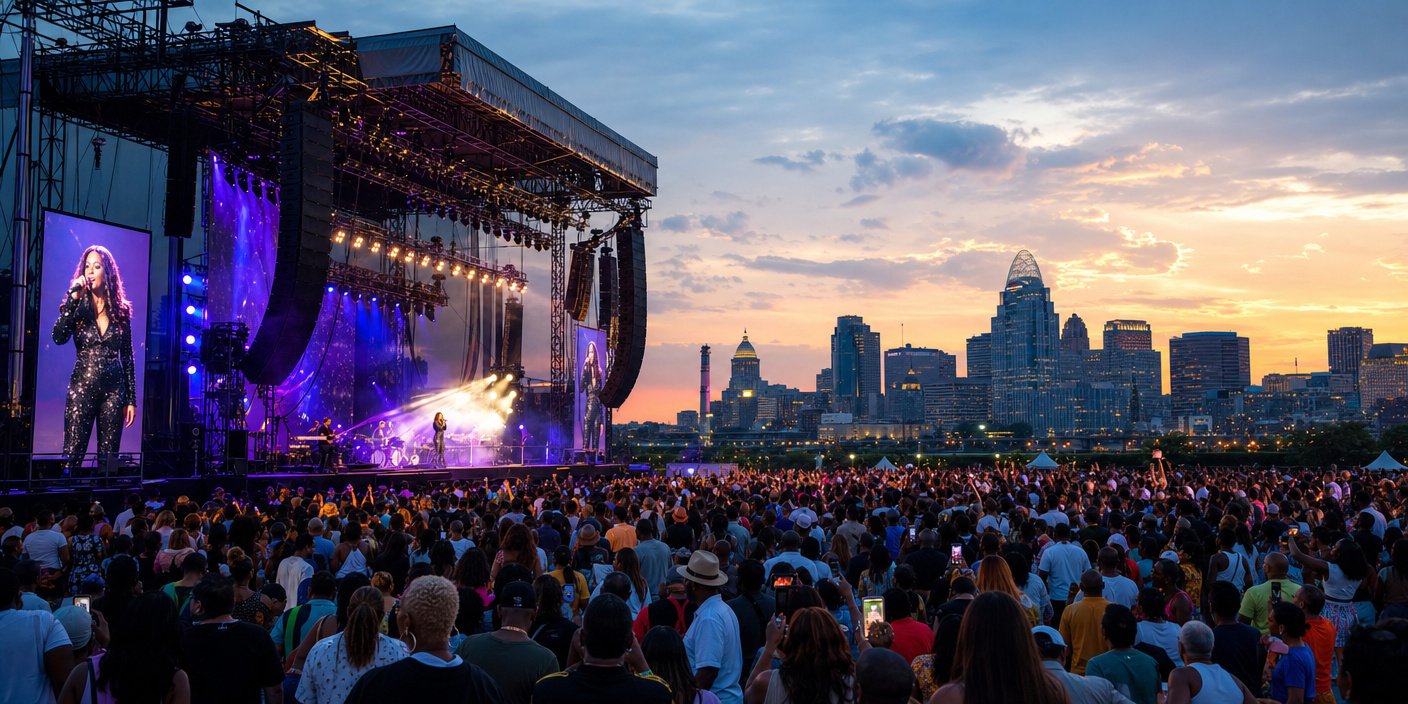
The Cincinnati Music Festival is not merely a concert series; it is a massive logistical and economic engine. As gates open today for the 2026 edition, the city prepares for a significant influx of tourism, hospitality bookings, and local spending. The festival has long prided itself on curating lineups that span generations, drawing from R&B, jazz, and soul—genres that are often underserved by other major festival circuits. This year, the organizers have emphasized ‘community continuity,’ focusing on the festival’s role as a platform for legacy artists to share the stage with rising stars. For regional music analysts, the 2026 kick-off is being watched as a barometer for mid-summer attendance trends, with early projections suggesting a return to pre-pandemic fiscal health for urban music festivals.
The Billboard Hot 100: Ella Langley’s Historic Ascent
In the digital ecosystem, Ella Langley has officially etched her name into the record books. Achieving a historic milestone on the Billboard Hot 100 requires a perfect storm of streaming momentum, radio support, and cultural ‘stickiness’—the ability of a song to transcend the charts and become a shorthand for the cultural moment. Langley’s achievement is particularly notable because it reflects the current trend of artist-driven, authentic storytelling finding resonance with broad, cross-demographic audiences. Analysts point to her integration of traditional songwriting sensibilities with modern, algorithm-friendly production as the key to her success. This Billboard placement is more than just a ranking; it is a signal of her transition from a developing artist to a top-tier industry powerhouse, likely resulting in increased leverage for upcoming tour dates and brand partnerships.
Living in Fast Forward: Curating the Chesney Legacy
While Langley and the Cincinnati festival represent the ‘now’ of the music industry, the Country Music Hall of Fame’s debut of Kenny Chesney: Living in Fast Forward offers a masterclass in the ‘then.’ The exhibit, which opens its doors today, is a deep dive into the infrastructure of a modern arena-filling tour. Chesney’s career has been defined by his ability to maintain a massive touring footprint for decades. The exhibition is designed to give fans a ‘behind-the-curtain’ look at the logistical, creative, and personal elements of his career. By focusing on his influence on the live performance experience, the Hall of Fame is acknowledging that country music history is now being written in real-time. For the museum, this is a strategic move to attract younger demographics who grew up during the peak of the ‘Chesney era,’ bridging the gap between archival history and contemporary pop culture.
Economic Implications of the Mid-Summer Cycle
From an industry perspective, these three stories are interconnected by the concept of ‘reach.’ Whether it is the physical reach of the Cincinnati Music Festival, the digital reach of a Hot 100 chart entry, or the institutional reach of a Hall of Fame exhibit, all three signify a healthy, active music market in July 2026. The ability to command attention across these distinct channels—live, digital, and institutional—remains the hallmark of a successful music business strategy in the mid-2020s.
FAQ: People Also Ask
Q: What is the significance of the Cincinnati Music Festival’s 2026 start?
A: The 2026 festival is viewed as a major indicator of economic recovery for urban music festivals, serving as a primary driver for regional tourism and local business revenue in Cincinnati during the peak summer season.
Q: What does Ella Langley’s Billboard Hot 100 achievement mean for her career?
A: It marks a transition from a developing artist to a major industry force, granting her increased leverage for touring negotiations, brand deals, and future chart dominance.
Q: How does the ‘Kenny Chesney: Living in Fast Forward’ exhibit differ from traditional museum displays?
A: Rather than focusing solely on early history, the exhibit emphasizes the logistics and impact of the modern arena-touring era, effectively blending contemporary pop culture with traditional institutional archiving.