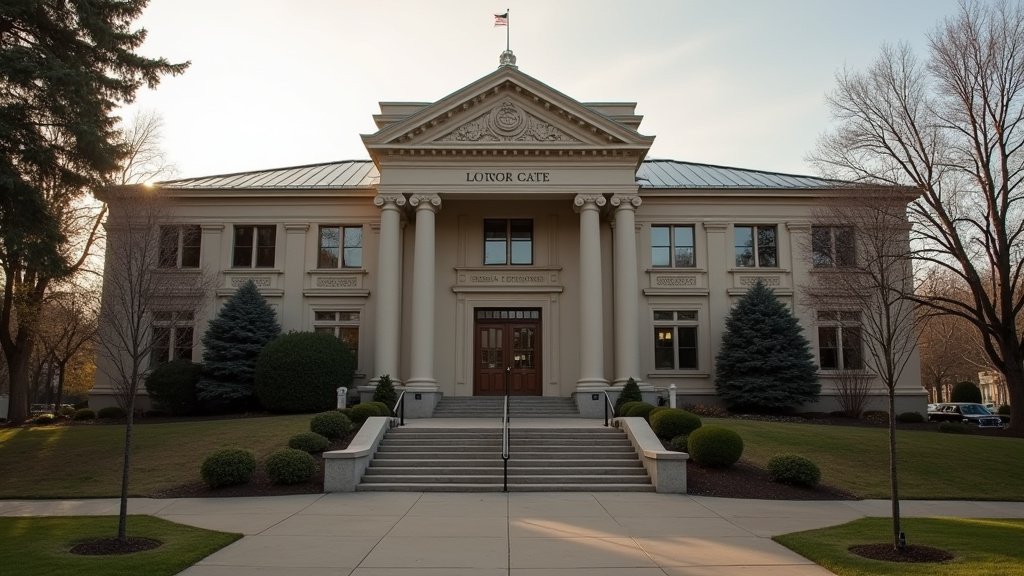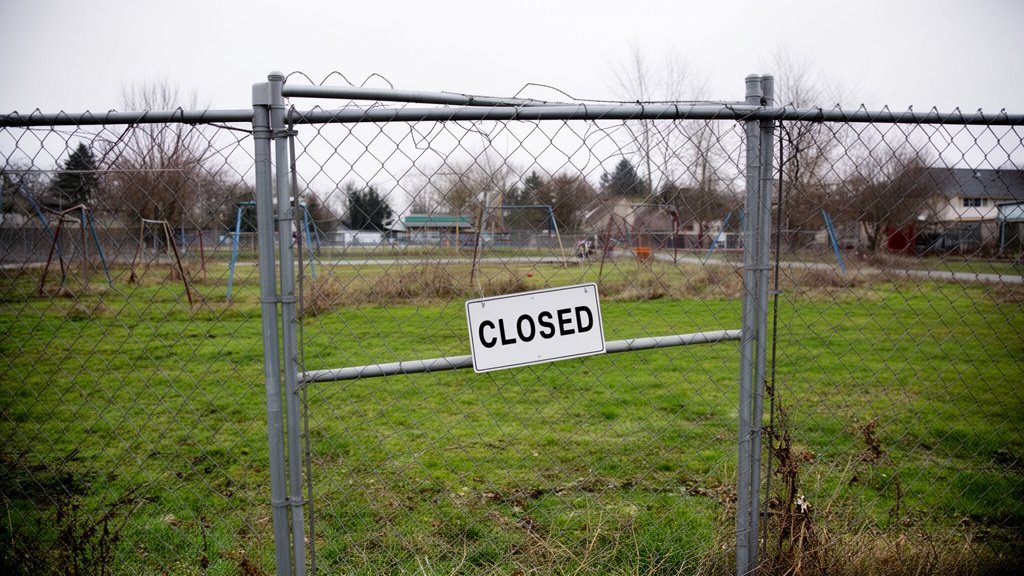
The City of Independence, Oregon, finds itself at a municipal crossroads this year. Following the definitive rejection of a critical 2024 operations levy by local voters, city officials were forced to enact an austerity measure that resulted in the shuttering of the municipality’s public parks and the city museum. This dramatic reduction in services underscores a growing national trend where quality-of-life infrastructure is increasingly vulnerable to budget disputes and shifting taxpayer priorities. While a temporary reprieve has been secured through private channels, the structural issues remain unresolved.
Key Highlights
- Levy Failure: The 2024 operations levy was rejected by voters, triggering immediate budgetary cutbacks.
- Facility Closures: Major municipal park facilities and the city museum were shuttered following the shortfall.
- Private Intervention: The nonprofit group, Friends of the Community Parks, provided a $30,000 grant to keep two specific facilities operational on an interim basis.
- Budgetary Strain: The closure highlights the fragility of municipal funding models when essential services are tied directly to supplemental operational levies.
The Financial Tipping Point: Analyzing the Independence Budget Crisis
The closure of public spaces in Independence is not merely a logistical failure; it is a symptom of a systemic fiscal tension playing out in small-to-medium municipalities across the Pacific Northwest. When the 2024 operations levy failed to pass, the city government was stripped of the necessary revenue streams required to maintain, staff, and insure its park system. For residents, this meant the sudden loss of recreational outlets that form the bedrock of the community’s social fabric.
The Mechanics of the Levy Failure
Operations levies are the lifeblood of many municipal departments in Oregon, where property tax laws often restrict the ability of local governments to raise funds through general taxation alone. Unlike capital bonds, which are earmarked for specific construction or improvement projects, operations levies cover day-to-day maintenance, staffing, and administrative costs. When voters reject these measures, the impact is immediate and visible. In the case of Independence, the failure to secure this funding resulted in an immediate “doomsday” budget scenario, forcing the closure of facilities that were no longer financially sustainable under the existing fiscal framework.
The Role of Private Intervention: Friends of the Community Parks
In the wake of the closures, the nonprofit organization Friends of the Community Parks stepped into a role usually reserved for local government. By providing a $30,000 grant, the organization successfully facilitated the temporary reopening of two critical facilities. However, this raises a secondary angle of significant debate: the sustainability of volunteer-led, private-grant models as a long-term solution for public infrastructure. While the $30,000 grant provides a necessary stopgap, it is not a replacement for a stable, tax-based funding structure. It places the burden of public service provision on non-governmental entities, which lacks the predictability and accountability required for long-term urban planning and maintenance.
Municipal Services Under Scrutiny: Quality of Life vs. Fiscal Reality
This situation serves as a harsh reminder of the “essential vs. non-essential” debate in local governance. Historically, parks and museums are viewed as foundational assets for community well-being, promoting mental health, physical fitness, and social cohesion. However, in an era of inflation and constrained municipal budgets, these services are often the first to be categorized as “non-essential” when balanced against public safety, road maintenance, and utility infrastructure. The Independence closure forces residents to ask a difficult question: What is the true cost of municipal austerity, and are the savings from a failed levy worth the long-term degradation of local assets?
Future Outlook: Navigating the Revenue Gap
Looking ahead, the city of Independence must grapple with how to bridge the revenue gap before the current private grants are exhausted. There are three potential paths: drafting a revised, more palatable levy proposal to put back on the ballot; restructuring municipal departmental budgets to reallocate funds toward parks; or pursuing a permanent public-private partnership model that relies on ongoing community contributions. Each path carries significant political risk and economic uncertainty. The coming months will likely see intense debates within the Independence City Council as they attempt to reconcile voter sentiment with the practical necessity of maintaining public infrastructure.
FAQ: People Also Ask
Q: Why exactly did the Independence parks close?
A: The parks closed due to a lack of funding following the rejection of a 2024 operations levy, which was intended to cover maintenance and staffing costs.
Q: Are all parks in Independence closed indefinitely?
A: No. While most facilities closed following the levy failure, the nonprofit Friends of the Community Parks secured a $30,000 grant to keep two specific facilities open on a temporary basis.
Q: How long will the temporarily opened parks remain available?
A: The timeline depends on the lifespan of the $30,000 grant and any future decisions made by the City Council regarding the budget. It is a stopgap measure, not a permanent solution.
Q: Is there a plan to put the levy back on the ballot?
A: City officials and community stakeholders are currently evaluating options, which include potential revisions to the levy to address voter concerns, though no official date for a re-vote has been confirmed.