September 4, 2026, is shaping up to be a defining moment in the quarterly music calendar, as industry titans and rising innovators collide in a fierce race for the Official Charts. This New Music Friday has delivered a diverse sonic palette, ranging from high-octane stadium rock to introspective, algorithm-defying indie pop, signaling a vibrant period of growth for the global music market.
Key Highlights
- Miley Cyrus returns with a highly anticipated track that blends experimental synth-pop with her signature gravelly vocal delivery.
- Kasabian delivers a rhythmic, genre-bending studio offering that reinforces their longevity as a top-tier UK rock outfit.
- ADÉLA makes a significant chart entry, marking her transition from viral internet sensation to a major label force.
- Sam Tompkins continues to showcase his raw, emotional songwriting, positioning himself as a frontrunner for the mid-week streaming tally.
The Autumn Sonic Shift: Inside September’s Biggest Release Friday
The landscape of the music industry in 2026 is defined by its speed, and this Friday’s release schedule is a testament to the current era of hyper-connectivity. With major labels strategically timing drops to maximize the ‘first-week’ streaming spike, listeners are being treated to a massive influx of content. The competition for playlist placement and radio rotation is at an all-time high, creating a fascinating ecosystem where veteran acts and newcomers share the digital stage.
Miley Cyrus: The Art of Perpetual Reinvention
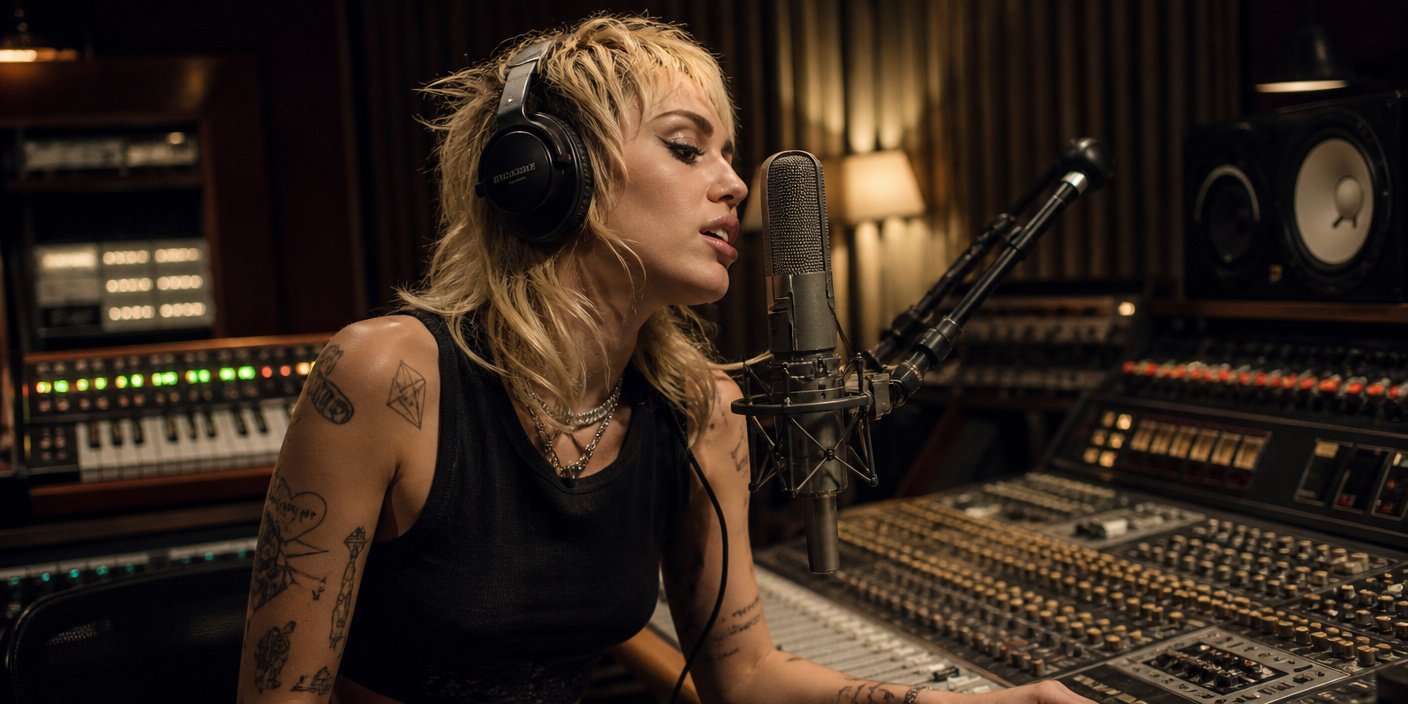
Miley Cyrus remains one of the few artists capable of moving the needle across multiple generations. Her latest release on this September 4th sees the artist pivoting toward a more refined, atmospheric production style. Industry analysts have noted that her ability to adapt to current streaming trends while maintaining her distinct ‘Miley’ identity is the primary driver behind her sustained popularity. This track is not merely a song; it is a calculated brand expansion that leverages both her legacy in pop and her recent explorations into alternative rock. By blending vintage synthesisers with contemporary bass-heavy trap beats, she successfully captures both the legacy radio demographic and the younger, playlist-driven audience.
Kasabian and the Endurance of Rock
In an era dominated by TikTok-friendly snippets and short-form audio, Kasabian’s refusal to sacrifice the ‘album-as-a-whole’ experience remains a refreshing defiance of the norm. Their latest work proves that rock music is not only surviving but thriving in 2026 by embracing electronic textures. The band has integrated complex, polyrhythmic drum patterns that distinguish them from their mid-2000s indie-rock peers. Their performance metrics suggest that while their physical vinyl sales remain strong—a testament to their dedicated fanbase—their streaming numbers are climbing, proving that they have successfully bridged the gap between ‘legacy act’ and ‘active chart competitor.’
The Indie Disruption: ADÉLA and Sam Tompkins
Perhaps the most compelling story of this New Music Friday is the rapid ascent of emerging artists like ADÉLA and Sam Tompkins. ADÉLA’s entry into the charts represents a shift in how major labels are identifying and nurturing talent. Moving away from the ‘slow-burn’ development strategies of the 2010s, modern labels are backing artists who have already established a significant, organic digital presence. ADÉLA’s sound—a hybrid of lo-fi bedroom pop and high-production orchestral elements—resonates with a demographic that values authenticity over polish.
Similarly, Sam Tompkins’ ability to translate intense emotional vulnerability into high-frequency streaming plays underscores a broader trend. Listeners in 2026 are increasingly seeking music that provides an ‘intimate’ listening experience. Tompkins utilizes minimalist production to ensure his lyrical prowess remains the focal point, a strategy that has proven highly effective in garnering ‘save’ rates and repeat listeners on major streaming platforms.
Future Predictions and Industry Impact
Looking ahead, this Friday’s data will be critical for predicting the fourth-quarter winners. The Official Charts Company (OCC) will be tracking how these releases perform across physical, digital, and streaming formats. The sheer volume of high-quality drops this week suggests that the industry is preparing for a robust Q4. We predict that the cross-pollination between these artists—particularly the collaboration between rock-focused acts like Kasabian and more pop-centric producers—will define the sound of the upcoming year.
Furthermore, the success of these artists on the charts highlights the growing globalization of UK music. With platforms like the OCC expanding their tracking influence, the ripple effect of these releases will likely be felt in international markets within weeks. As we monitor the mid-week updates, the primary narrative remains clear: the music industry is no longer about one specific ‘sound,’ but rather about the artist’s ability to command attention in a fractured, high-speed digital economy.
FAQ: People Also Ask
Q: How do these releases impact the Official Charts mid-week update?
A: The Official Charts Company tracks sales and streams throughout the week. A release on a Friday immediately captures the initial ‘hype’ window, which is crucial for determining the position in the mid-week update released the following Monday.
Q: Why are artists like Kasabian still performing so well in 2026?
A: Acts with strong ‘legacy’ followings benefit from physical media sales, particularly vinyl, which has seen a resurgence. This provides a steady base of chart points that pure-streaming artists often struggle to accumulate.
Q: Is the ‘New Music Friday’ trend dying?
A: Quite the contrary. While global release dates have aligned to Friday, the sheer volume of output has increased, making ‘New Music Friday’ more competitive and essential for platform editorial playlisting.
Q: How do streaming algorithms influence the success of these artists?
A: Algorithms prioritize ‘skip rates’ and ‘listen-through rates.’ Artists like Sam Tompkins, who build deep, loyal fanbases, tend to perform better because their audience is more likely to listen to the full track and revisit it, which signals high engagement to the platform.