The integration of Artificial Intelligence into the fashion industry is no longer a futuristic speculation; it is an urgent operational pivot. As we approach 2030, the fashion sector is undergoing a profound labor market shift, moving away from fragmented, manual-heavy workflows toward a cohesive ecosystem where AI-driven digital tools augment the skills of the human workforce. Rather than signaling the obsolescence of creative talent, this technological transition is actively strengthening the industry’s skilled workforce, fostering a unique synergy between traditional artisanal knowledge and the agility of digital-native talent.
Key Highlights
- $275 Billion Opportunity: Industry analysis suggests that generative AI could add between $150 billion and $275 billion to the apparel, fashion, and luxury sector’s operating profits by 2030, largely driven by optimized product development.
- Collaborative Augmentation: AI is bridging the gap between junior staff, who possess strong digital fluencies, and senior personnel, whose expertise in material science and brand DNA remains irreplaceable.
- The 2030 Shift: Labor market projections indicate that roles in the industry are evolving from repetitive production tasks to high-value positions focused on digital product lifecycle management (PLM) and creative direction.
- Workflow Efficiency: Advanced AI integration is reducing design-to-production lead times by up to 30%, allowing teams to focus on sustainable practices and precision rather than iterative rework.
The Augmented Artisan: Redefining Fashion’s Skillset
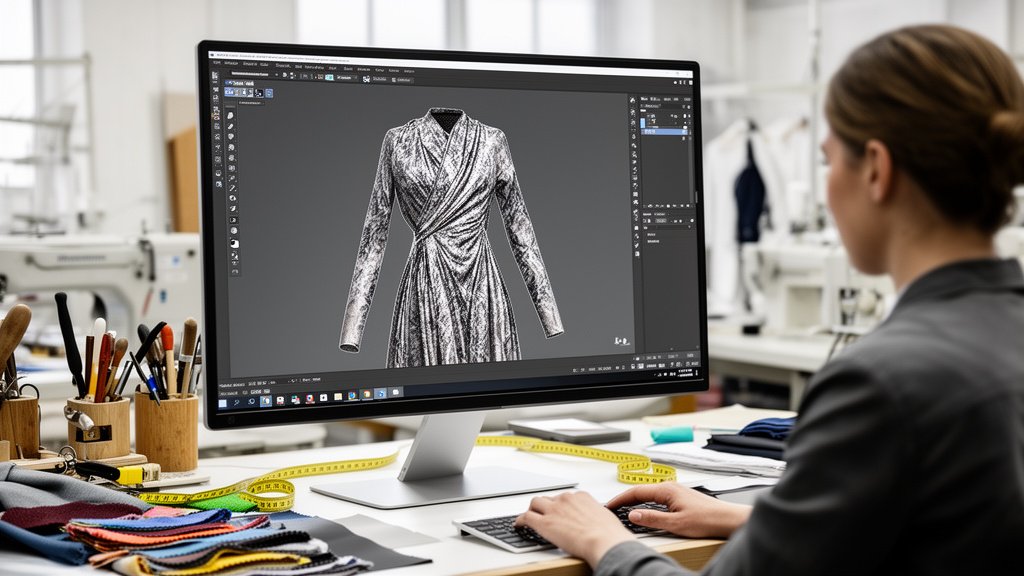
The central thesis of fashion’s digital evolution is the concept of the “Augmented Artisan.” Historically, fashion houses were compartmentalized; design, pattern making, and merchandising functioned as siloed entities. Today, platforms like 3D design software (e.g., CLO3D, Browzwear) combined with generative AI engines are collapsing these silos.
This shift requires a new breed of workforce. The junior employee of 2024 and beyond is not merely a designer; they are a “technical orchestrator.” These individuals leverage AI to create photorealistic 3D renders that simulate fabric drape, texture, and movement before a single yard of cloth is cut. By utilizing these tools, the junior staff can present sophisticated prototypes to senior directors, allowing for real-time collaboration. The senior staff—the masters of the atelier—can then apply their decades of experience to refine, edit, and approve these digital assets, ensuring the brand’s integrity is maintained while slashing the time spent on physical sampling.
Bridging the Generational Knowledge Gap
One of the most persistent challenges in luxury and high-street fashion has been the “brain drain” that occurs when senior master craftsmen retire. Younger designers often struggle to translate traditional construction techniques into modern, scalable formats. AI acts as a digital bridge here. By digitizing the archives of construction methods and fit standards, AI systems can assist junior designers in understanding why specific seams, materials, or structural choices are made.
For instance, an AI-powered PLM (Product Lifecycle Management) system can flag potential structural failures in a design before it reaches manufacturing, a capability that previously relied entirely on the “gut feeling” of a veteran production manager. This allows the junior designer to learn the logic behind the senior’s corrections, accelerating their growth from a novice to a seasoned expert. The AI is not replacing the mentor; it is systematizing the mentorship process.
Operational Efficiency and the 2030 Economic Landscape
Looking toward the 2030 labor market, the industry is preparing for a restructuring of roles. The McKinsey Global Institute has previously highlighted that repetitive tasks will increasingly be automated, but this creates a vacuum that is being filled by high-value, tech-enabled roles.
Companies are now hiring for positions that did not exist a decade ago: AI Pattern Architects, Sustainable Supply Chain Analysts, and Digital Merchandising Strategists. These roles require a hybrid skillset—understanding the tactile nature of textiles while being fluent in data analytics. This evolution is vital for profitability. With the industry facing pressure to reduce waste and optimize inventory, AI’s ability to forecast trends and streamline production volume ensures that brands are manufacturing only what the market demands, effectively strengthening the business model from the ground up.
Sustainability through Digital Precision
While the human workforce benefits from reduced burnout and clearer workflows, the environment benefits from the precision of digital manufacturing. The “test and learn” culture of fashion, which has historically relied on excessive physical sampling—often resulting in massive textile waste—is being replaced by “digital first” validation. By the time a garment reaches the manufacturing floor, the fit and material usage have been verified dozens of times in the digital realm. This precise manufacturing process is a direct result of a workforce that is empowered by AI to make data-backed decisions.
FAQ: People Also Ask
Q: Will AI replace human fashion designers?
A: No. AI functions as a tool that handles repetitive simulation, pattern adjustment, and trend forecasting. The human element remains essential for brand storytelling, emotional resonance, and high-level creative direction, which AI cannot replicate.
Q: How does AI specifically help junior fashion staff?
A: It levels the playing field by providing immediate access to technical data and digital tools. Junior staff can iterate faster, test complex designs in 3D, and receive instant feedback, which significantly shortens the steep learning curve traditionally associated with fashion design.
Q: What is the primary impact of AI on fashion manufacturing by 2030?
A: By 2030, the primary impact will be the reduction of “over-production.” AI-driven demand forecasting and digital-only prototyping will allow brands to manufacture closer to demand, drastically reducing inventory waste and increasing operational efficiency.