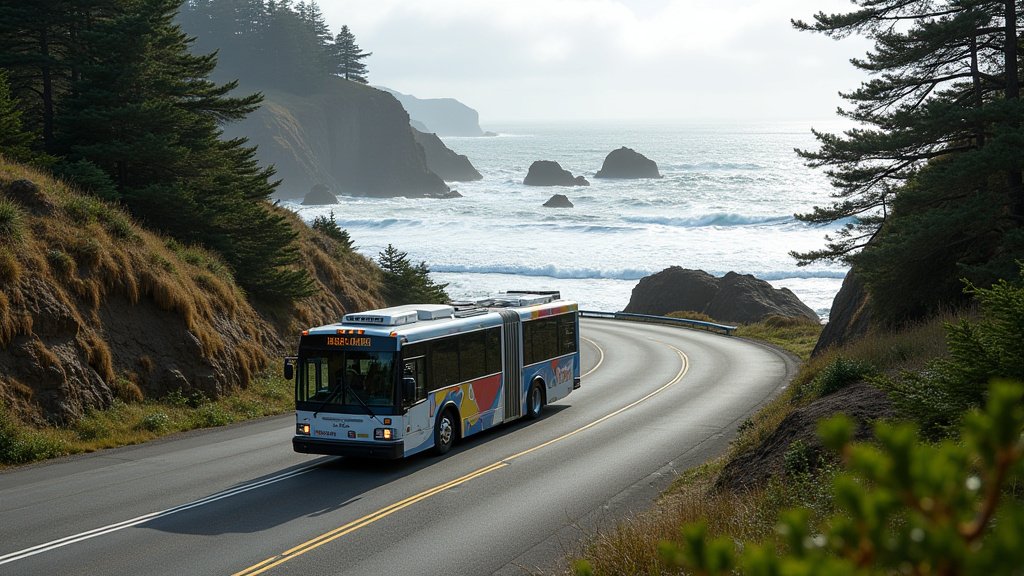
Yachats, the picturesque ‘Gem of the Oregon Coast,’ is implementing a transformative transit solution this summer to mitigate the historic parking gridlock that has plagued the town during peak tourism months. The introduction of a free trolley service marks a significant shift in how visitors access the rugged beauty of the Cape Perpetua Scenic Area, aiming to streamline traffic flow and protect the delicate infrastructure of this coastal community. By connecting central town hubs with the most popular trailheads and viewpoints, the city is effectively turning the tide on the congestion that often threatens to diminish the visitor experience.
The Parking Crisis: A Small Town Under Pressure
For decades, Yachats has been a victim of its own success. Known for its dramatic basalt cliffs, turbulent surf, and proximity to the Siuslaw National Forest, the town frequently swells with tourists, particularly during the summer. The primary pain point has always been the Cape Perpetua Scenic Area—the highest point on the Oregon Coast—where limited parking lots are routinely filled to capacity by 10:00 AM. This saturation causes significant traffic spillover, creating hazardous road conditions along Highway 101 and frustrating both residents and day-trippers.
Local authorities and the Oregon Coast Visitors Association (OCVA) identified that the root cause wasn’t necessarily the volume of visitors, but rather the reliance on personal vehicles for last-mile transit. The new trolley service aims to break this dependency. By creating a ‘park-and-ride’ culture, the city hopes to clear the arteries of Highway 101 while ensuring that guests can still reach attractions like Thor’s Well and the Spouting Horn without the stress of circling for a vacant stall.
The Mechanics of the Trolley System
The trolley service operates on a loop designed for efficiency and accessibility. By positioning key transit nodes within walking distance of downtown lodging and retail corridors, the program creates a seamless transition from the town’s central atmosphere to the raw wilderness just south of the city limits. This connectivity allows tourists to leave their vehicles behind, effectively doubling the capacity of current parking lots by centralizing vehicle storage in designated areas near the town core.
From an operational standpoint, the trolley is scheduled for high-frequency runs during peak hours, specifically targeting the mid-morning to late-afternoon windows when trailhead parking becomes most volatile. Local planners emphasize that the trolley is not merely a shuttle; it is a vital piece of infrastructure designed to enhance the ‘slow travel’ philosophy that defines the Yachats experience. The vehicle itself is outfitted to accommodate hiking gear, ensuring that outdoor enthusiasts are not inconvenienced by the transition to public transit. This logistical consideration is key to public adoption: if the shuttle is not easier than the personal car, it will not succeed.
Environmental Stewardship and Sustainable Tourism
Beyond the immediate relief of traffic congestion, the trolley initiative serves a larger, more critical purpose: the protection of the fragile ecosystem within the Siuslaw National Forest. Cape Perpetua is home to diverse flora and sensitive intertidal zones. Increased foot traffic and the sprawling footprint of unauthorized parking on road shoulders have historically posed risks to these areas. By consolidating visitor transit, the service reduces the frequency of vehicles idling in sensitive areas and curbs the urge for tourists to park on fragile vegetation when lots are full.
This move aligns with broader sustainability goals set by the Oregon Coast Visitors Association, which has been pushing for ‘responsible recreation.’ Encouraging visitors to utilize mass transit options reduces the per-capita carbon footprint of a trip to Yachats. Furthermore, it allows the forest service to better manage the flow of people into the Cape Perpetua Visitor Center, ensuring that educational resources and staff are better utilized without the chaos of a parking-lot scramble. It is a proactive step toward managing the future of Oregon’s coastal tourism, serving as a potential blueprint for other small towns facing similar developmental pressures.
The Economic Ripple Effect
The economic implications of this trolley service are twofold. First, by keeping visitors in the downtown area longer—due to ease of access and increased foot traffic—local businesses are expected to see a rise in discretionary spending. When tourists park in the town core and ride the trolley, they are more likely to frequent local cafes, bakeries, and art galleries before or after their trip to the coast.
Second, the initiative signals a shift in the town’s maturity as a destination. By addressing the ‘pain points’ of a vacation, Yachats is fostering repeat visitors who value a stress-free environment. This is a deliberate move by the City Council and local business owners to position Yachats not just as a passing stop on a road trip, but as a destination of convenience and accessibility. The long-term economic goal is to stabilize tourism revenue by smoothing out the jagged peaks of congestion and creating a more consistent, pleasant environment for visitors throughout the entire season. By modernizing transit, the town is protecting its most valuable asset: its reputation as a serene, accessible, and breathtaking coastal retreat.