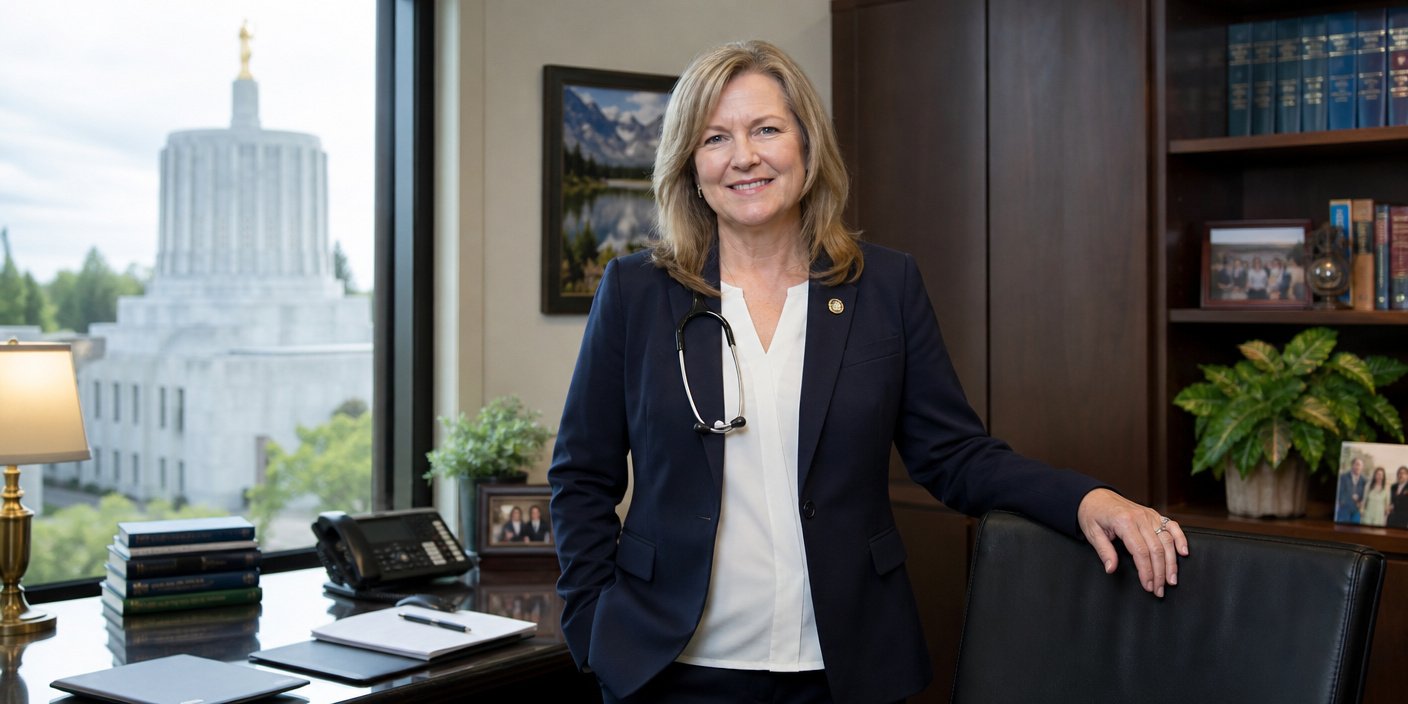
State Senator Lisa Reynolds has officially signaled her intent to introduce rigorous new cannabis regulations during the 2027 legislative session, focusing exclusively on protecting children from accidental THC ingestion. The proposed legislation, which addresses a growing public health concern regarding pediatric exposure to high-potency edibles, seeks to impose a strict 10mg THC cap on individual edible units and enforce more stringent, universally recognizable warning label requirements across the Oregon market.
The Pediatrician’s Perspective: A Public Health Imperative
Senator Lisa Reynolds brings a unique perspective to the Oregon State Legislature: she is a pediatrician by trade. This background heavily informs her legislative agenda. For Reynolds, the issue of cannabis regulation is not merely a policy matter but a direct clinical concern. Pediatric emergency departments across the Pacific Northwest have reported a troubling trend of accidental ingestions, where young children mistake cannabis-infused gummies or chocolates for conventional candy.
The legislative proposal for 2027 is designed to act as a buffer between the maturing recreational cannabis market and the vulnerabilities of minor children. By targeting the potency of individual units, Reynolds aims to reduce the severity of adverse events if a child does manage to consume an edible. The logic is simple but impactful: while adults may seek higher potency products, a 10mg individual cap serves as a “harm reduction” ceiling that limits the total amount of THC a child can ingest from a single, attractive unit.
Deconstructing the Proposal: The 10mg Cap and Labeling Standards
The core of Reynolds’ upcoming bill revolves around two main pillars: dosage and presentation.
1. The 10mg Individual Cap: Currently, the Oregon market has various standards regarding dosage, but specific unit caps on edibles can vary depending on product type and manufacturer discretion within current state guidelines. By codifying a strict 10mg limit per individual piece, the legislation would streamline safety expectations.
2. Enhanced Warning Labels: Beyond dosage, the bill addresses the packaging itself. The proposed regulations demand that warning labels be standardized, high-contrast, and “pediatric-proof” in their messaging. This moves beyond simple text warnings to include graphical, color-coded, and intuitive iconography that even younger children—or parents distracted by the similarity to traditional snacks—can immediately recognize as hazardous.
The Balancing Act: Market Maturity vs. Public Safety
The cannabis industry in Oregon is one of the most mature in the United States, having navigated the transition from medical to recreational usage over the last decade. Stakeholders in the industry acknowledge that safety is paramount for the long-term sustainability of the market. However, any regulation that caps dosage levels or forces costly packaging overhauls often faces scrutiny regarding economic feasibility for smaller, craft producers.
Reynolds’ 2027 strategy appears to be one of preemptive alignment. By announcing the bill well in advance, she allows manufacturers time to adjust production lines, sourcing, and packaging designs. This long runway is intended to minimize the “shock” to the market while ensuring that public health goals are achieved without crippling the economic engines of the cannabis sector.
Historical Context: From Measure 91 to Present Day
Oregon’s journey with cannabis regulation began in earnest with Measure 91 in 2014, which legalized recreational use. Since then, the conversation has shifted from “legalization” to “regulation and refinement.” Early policies were focused on tax revenue and supply chain controls. Now, the state is entering a phase of “protective maturation.” This move by Senator Reynolds is representative of a broader national trend in legal states, where legislatures are moving to close “safety gaps” discovered only after years of consumer data and incident reports have accumulated.
The 2027 timeline is also strategic. Legislative sessions in Oregon are structured biennially, and planning for a session this far out suggests a desire to build a coalition of support, gather more granular data from pediatric health experts, and negotiate with industry groups before a single bill is drafted for the floor. This methodical approach is widely considered the most effective way to pass lasting, uncontroversial safety legislation that keeps children safe without rolling back the fundamental rights of adult consumers.
FAQ: People Also Ask
Q: Why is Senator Lisa Reynolds focusing on 2027 for this cannabis legislation?
A: The Oregon legislature operates on a biennial schedule. Proposing legislation well in advance allows for extensive consultation with stakeholders, health experts, and industry representatives to ensure the bill is robust, evidence-based, and politically viable by the time the 2027 session commences.
Q: Does a 10mg THC cap apply to the entire package or just the individual gummy?
A: The proposal, as described, targets the “individual edible unit.” This is intended to ensure that if a child consumes one piece of a product, their exposure is limited to a standardized 10mg dose, which is generally considered the baseline for safety in many other legal cannabis markets.
Q: Why are warning labels a primary focus of this legislation?
A: Current warning labels can often be small, text-heavy, or easy to overlook. By requiring standardized, high-contrast, and intuitive labels, the legislation aims to reduce the likelihood of accidental ingestion by ensuring that parents and children alike can identify the product as cannabis-infused, even at a glance.
Q: Is there opposition to this proposed regulation?
A: While most stakeholders agree on the goal of child safety, concerns typically arise regarding the cost of packaging compliance for small businesses and the limitations on product variety. The extended timeline for this legislation is designed to mitigate these concerns through dialogue.