In one of the most significant upsets of the 2026 college football season, the unranked Oklahoma State Cowboys stunned the No. 6 Oregon Ducks in a 39-31 victory that sent shockwaves through the national rankings. The game, marked by high-octane offensive execution from the Cowboys and uncharacteristic defensive lapses from the Ducks, saw Oklahoma State not only secure a signature win but also finally put to rest a staggering 21-game losing streak against FBS opponents. This result fundamentally alters the trajectory of both programs as they head into the heart of their conference schedules.
Key Highlights
- Final Score: Oklahoma State 39, Oregon 31.
- The Streak Ends: Oklahoma State successfully snapped a 21-game losing streak against FBS-level programs.
- Ranking Impact: The result serves as a massive blow to No. 6 Oregon’s early-season momentum and top-tier playoff aspirations.
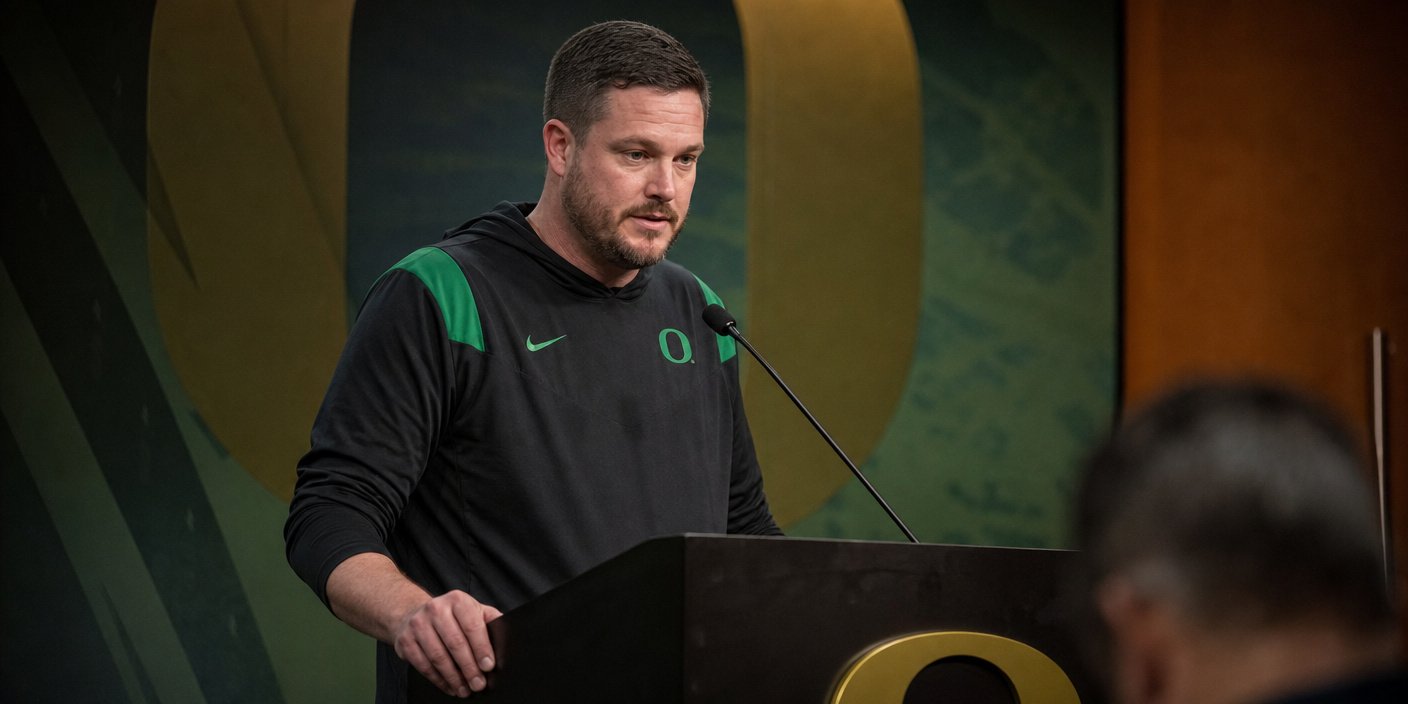
- Coaching Reaction: Oregon head coach Dan Lanning publicly acknowledged a disappointing performance, citing a lack of execution in critical situational football.
A Paradigm Shift in Stillwater
The narrative surrounding the Oklahoma State program heading into this matchup was defined by the weight of their past failures. For years, the Cowboys had struggled to find consistency against top-tier Football Bowl Subdivision competition, accumulating a 21-game skid that had many analysts questioning the program’s ability to compete at the highest level. Entering the game as unranked underdogs against a perennial powerhouse like Oregon, the odds were heavily stacked against them. However, from the opening kickoff, it was clear that the Cowboys were playing with a different sense of urgency.
The Anatomy of the Upset
From a tactical standpoint, Oklahoma State implemented a high-tempo offensive strategy designed to keep Oregon’s defense on its heels. By utilizing a mix of quick-strike passing plays and a relentless ground game, the Cowboys managed to control the clock and, more importantly, convert on critical third-down opportunities. The offensive line, often cited as a weak point in previous seasons, played with newfound cohesion, providing the necessary protection for the quarterback to navigate the pocket and extend plays.
Conversely, the Oregon defense appeared disjointed throughout the first half. Communication lapses in the secondary allowed Oklahoma State to capitalize on explosive plays, creating an early point deficit that the Ducks would spend the rest of the game attempting to overcome. Despite a furious fourth-quarter rally led by the Ducks’ offense, the hole they had dug was simply too deep to climb out of, allowing Oklahoma State to hold onto the lead as the clock expired.
Dan Lanning’s Post-Game Reality Check
In the post-game press conference, Oregon head coach Dan Lanning did not mince words. He was quick to shoulder the burden of the loss, attributing the team’s struggles to a fundamental lack of focus and execution. “We didn’t show up with the intensity required to win in this environment,” Lanning admitted. “This is a disappointing performance that falls on all of us—coaching and players alike.” For a program that prides itself on discipline and high-level preparation, the loss serves as a harsh reality check. It highlights the vulnerability of top-10 teams when they fail to match the emotional energy of a hungry, unranked opponent playing on their home turf.
Secondary Angles: Understanding the Aftermath
The Playoff Picture and Ranking Volatility
While it is still early in the 2026 season, the implications of this game are immediate. A loss to an unranked opponent is arguably the most damaging outcome for a team with championship aspirations. For Oregon, the defeat significantly complicates their path to the College Football Playoff. The committee places heavy emphasis on ‘bad losses,’ and falling to a program that had previously failed to beat an FBS opponent for 21 games will raise serious questions about the Ducks’ consistency and defensive pedigree. They will now have to win out in a rigorous conference schedule to have any hope of reclaiming their standing in the top 10.
Psychological Momentum for the Cowboys
For Oklahoma State, this victory is about more than just a single game; it is a psychological barrier that has finally been broken. The ’21-game streak’ had become a looming shadow over the program, a statistical albatross that hampered recruiting efforts and team confidence. By proving they can go toe-to-toe with, and ultimately defeat, a top-ranked FBS opponent, the Cowboys have reset the expectation level for their locker room. The challenge moving forward will be sustaining this level of play. Historically, programs coming off emotional upsets often suffer a ‘hangover’ the following week. How Oklahoma State handles their next opponent will be the ultimate test of their maturity.
The Evolution of 2026 Defensive Schemes
This game also serves as a case study for modern defensive coordinators. The way Oklahoma State leveraged motion and misdirection to isolate Oregon’s defenders provides a blueprint for future opponents. As college football schemes continue to evolve, the ability of a defense to communicate and rotate against unconventional sets is becoming the differentiator between elite teams and those that are merely good. Oregon’s inability to adjust in-game is a critical area that will undoubtedly be the focus of their film study and practice sessions in the coming week.
FAQ: People Also Ask
Q: How long was Oklahoma State’s losing streak against FBS teams before this win?
A: Oklahoma State had been on a 21-game losing streak against FBS opponents, a stretch that this victory finally brought to an end.
Q: What was the final score of the Oklahoma State vs. Oregon game?
A: The final score was 39-31 in favor of Oklahoma State.
Q: What rank was Oregon entering the game?
A: Oregon entered the matchup ranked No. 6 in the nation.
Q: How did the Oregon coaching staff react to the loss?
A: Head coach Dan Lanning took accountability for the loss, describing the team’s performance as disappointing and highlighting a failure to execute with the necessary intensity.