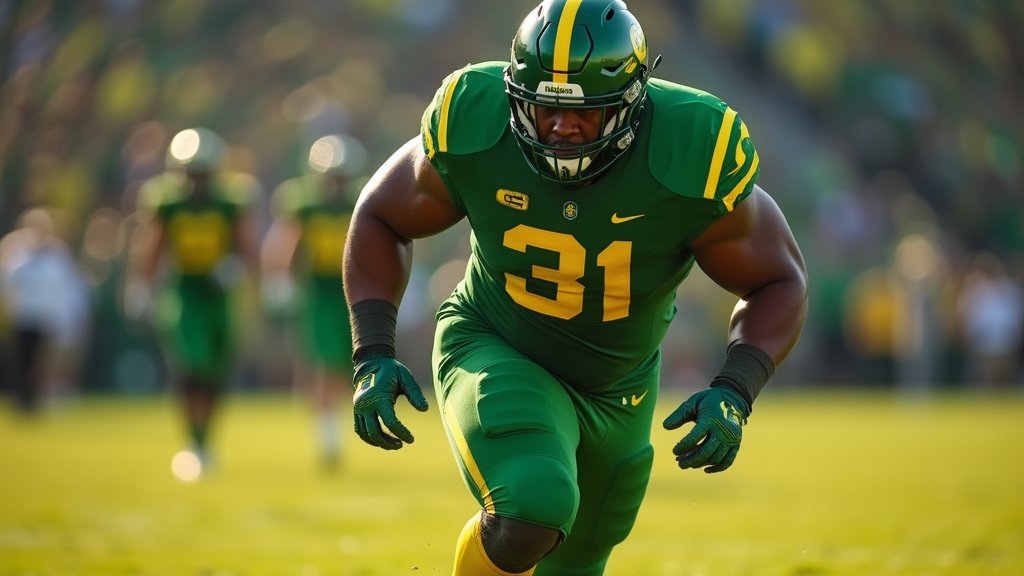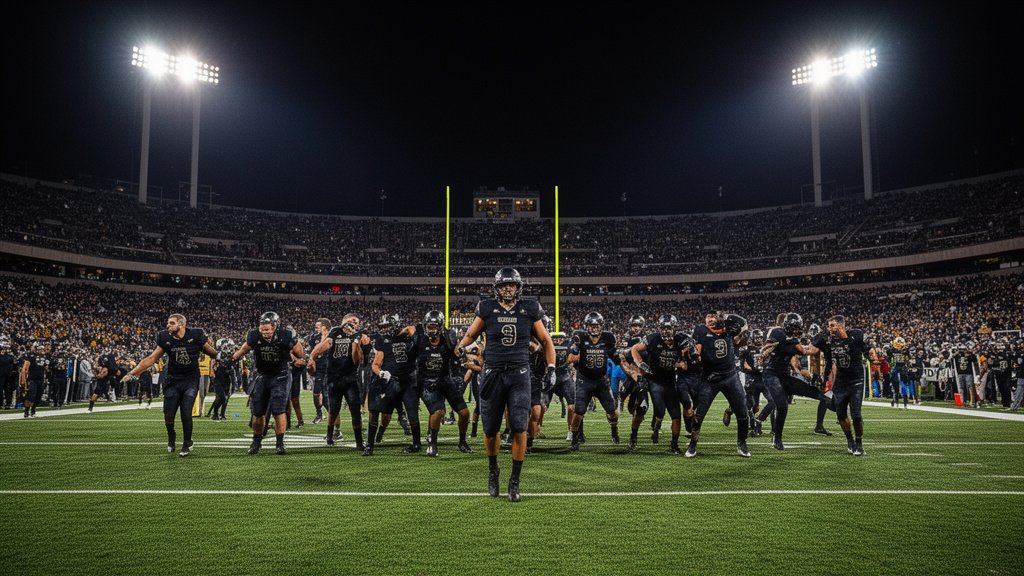
The Oregon Ducks saw their championship ambitions evaporate in the most agonizing fashion imaginable, falling 33-27 to the Washington Huskies in a double-overtime thriller. The loss does more than simply mar the season record; it effectively dismantles the team’s current pathway to the Big Ten title and sends a shockwave of uncertainty through the College Football Playoff selection committee’s meeting rooms.
Key Takeaways
- Final Score: Washington 33, Oregon 27 (2OT).
- Playoff Implications: The defeat creates a critical setback for Oregon’s College Football Playoff eligibility, making an at-large bid significantly more difficult to justify.
- Conference Impact: This result removes Oregon from immediate contention in the Big Ten title race, forcing a massive shift in conference standing.
- Critical Failure: Key defensive lapses in the second overtime period ultimately allowed Washington to secure the winning touchdown, sealing Oregon’s fate.
The Anatomy of the Collapse: A Game of Inches
The 33-27 final score belies the sheer intensity and tactical back-and-forth that defined this contest. For four quarters, the Ducks and Huskies traded blows, each team pushing the other to their absolute limits. However, the game was ultimately decided in the margins of the overtime periods—a space where championship teams are traditionally forged.
Defensive Lapses and Offensive Stagnation
In the second overtime period, the Oregon defense, which had managed to keep the high-powered Washington offense in check for much of the evening, finally broke. The pressure from the front seven waned at the worst possible moment, allowing the Huskies’ playmakers to exploit the secondary. Offensively, the Ducks struggled to find the rhythm that had defined their mid-season success. By the time the final whistle blew, the statistics told a story of missed opportunities: a failure to convert crucial third-down situations and an inability to capitalize on red-zone trips proved to be the Achilles’ heel for the Ducks.
The Psychological Toll on the Roster
Beyond the raw numbers, the mental fatigue of playing deep into a double-overtime game was evident. The transition from the high-octane pace of regulation to the high-stakes, pressure-cooker environment of overtime requires a level of emotional discipline that the Ducks appeared to lack in the closing minutes. The silence that fell over the stadium as Washington celebrated their victory was the sound of a season’s hopes effectively imploding in real-time.
Big Ten Fallout and the CFP Conundrum
The ripple effects of this loss will be felt across the college football landscape for weeks to come. With this defeat, Oregon’s standing in the Big Ten has been severely compromised. The conference, which is already fiercely competitive, now has a clearer hierarchy, and the Ducks find themselves on the outside looking in.
The Selection Committee’s Dilemma
For the College Football Playoff (CFP) committee, the data point of a double-overtime loss to a divisional rival is not a death sentence, but it is a significant blemish. The committee has historically favored teams with strong wins and minimal losses. By dropping this contest, Oregon has ceded control of its destiny. They are no longer the masters of their own fate; they are now reliant on “chaos” in other conferences—upsets elsewhere in the country—to clear a path back into the top tier of rankings.
Assessing the Path Forward
Looking ahead, the coaching staff faces the monumental task of recalibrating the roster’s morale. The psychological challenge of bouncing back from such a high-profile, heartbreaking loss cannot be overstated. If the Ducks hope to remain relevant in any post-season conversation, they must demonstrate an ability to dominate their remaining schedule with such authority that the committee is forced to ignore the 33-27 mark on their record. It is a tall order in a conference as unforgiving as the Big Ten.
Historical Context and Future Implications
This rivalry has never been short on drama, but this iteration will be remembered as a turning point in the modern era of the Oregon-Washington matchup. Historically, games of this magnitude often serve as a catalyst for systemic change—either in the coaching staff’s play-calling philosophy or in the recruiting focus of the program.
The Financial and Recruitment Cost
While the direct impact is on the win-loss column, the indirect impact on recruitment cannot be ignored. Elite high school recruits are heavily influenced by the postseason “brand” of a program. Being knocked out of the Big Ten title race in November reduces the team’s exposure on the national stage during the most critical weeks of the recruiting cycle. The Oregon administration is now faced with the immediate need to reassure boosters and the incoming class that this loss is an anomaly, not a trend.
FAQ: People Also Ask
1. Does this loss mathematically eliminate Oregon from the College Football Playoff?
Technically, no. Oregon is not mathematically eliminated, but they have lost the “path of least resistance.” They now require multiple upsets in other high-profile matchups to earn an at-large bid, and their margin for error in the remaining regular-season games is now effectively zero.
2. What went wrong for the Oregon defense in the second overtime?
Statistical analysis shows a dip in defensive efficiency regarding third-down conversion stops. In the final overtime possession, Oregon’s secondary allowed a critical completion that extended the drive, ultimately leading to the Washington score that placed the game out of reach.
3. How does this impact the Big Ten championship race?
This loss effectively removes Oregon from the driver’s seat. They no longer control their own destiny; they now need help from other teams to climb back into the top spots of the conference rankings, which are essential for securing a spot in the Big Ten Championship game.
4. Is this the worst loss of the season for Oregon?
Given the stakes—a potential conference title and a direct route to the College Football Playoff—this stands as the most consequential defeat of the season. Unlike earlier games that may have been early-season calibration efforts, this loss occurred when the stakes were at their highest.