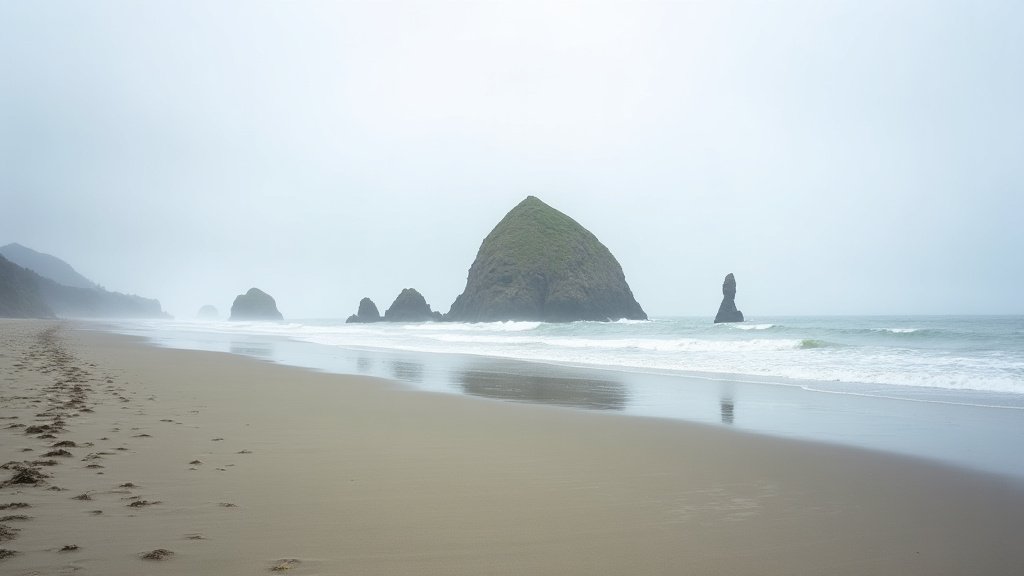
The Oregon State Parks and Recreation Department (OPRD) has officially scheduled a virtual public hearing for December 14, 2026, aimed at evaluating an ocean shore alteration application concerning a property in the iconic coastal city of Cannon Beach. This hearing represents a critical touchpoint in the ongoing management of the state’s coastline, serving as a platform for public oversight regarding development that may impact the structural and aesthetic integrity of one of Oregon’s most visited natural landmarks. By engaging in this process, residents and stakeholders are directly contributing to the governance of the Ocean Shore State Recreation Area, a public resource mandated to remain accessible to all.
Key Highlights
- Date and Format: The virtual public hearing is confirmed for December 14, 2026, allowing remote access for statewide participation.
- Regulatory Oversight: OPRD is the governing body reviewing the specific application for shoreline alteration in Cannon Beach.
- Public Participation: The hearing is designed specifically to gather public testimony, which influences the final decision on whether the alteration aligns with state environmental and recreational goals.
- Geographic Significance: Cannon Beach, known for its unique geological formations and high tourism, requires stringent management to balance private property needs with public beach protection.
The Governance of the People’s Coast: Understanding OPRD’s Role
The Oregon State Parks and Recreation Department (OPRD) functions as the custodian of the Oregon coastline, largely guided by the landmark 1967 Oregon Beach Bill. This legislation established that the beach—from the vegetation line to the low-tide mark—is a public highway and recreational area. Consequently, any proposal to alter the “ocean shore” is not merely a private construction matter but a public regulatory issue. When a property owner or developer files an “ocean shore alteration application,” they are effectively seeking permission to modify public land or land immediately adjacent to the public trust boundary. These alterations often involve the installation of riprap (large rock boulders used to armor the shore), the construction of access pathways, or other structural defenses designed to mitigate the relentless energy of the Pacific Ocean.
The Complexity of Shoreline Hardening
At the heart of many alteration applications is the tension between erosion control and the natural state of the beach. In Cannon Beach, where the coastline is characterized by dramatic cliffs and sensitive sandy zones, homeowners often face the encroaching sea. The OPRD must evaluate whether a proposed alteration—such as a seawall or riprap installation—will cause negative impacts on the public beach. These impacts can include “scour” (where the wave energy is redirected, deepening the beach in front of the structure), the loss of sandy habitat, or the restriction of public pedestrian access. The December 14 hearing provides a forum for these scientific and community concerns to be presented on the record, ensuring that any approval or denial is based on a comprehensive evidentiary review.
Why Cannon Beach Requires Scrutiny
Cannon Beach is not merely a residential enclave; it is a global tourism destination. The presence of iconic features like Haystack Rock makes the shoreline a high-traffic area for both ecological and recreational activities. Any alteration to the shore here does not occur in a vacuum; it has the potential to alter the flow of sand, the behavior of tides, and the visual aesthetics that drive the local economy. OPRD’s scrutiny of alteration applications in this region is significantly higher than in less-populated areas, owing to the high volume of public use and the potential for cumulative environmental degradation. This hearing is a testament to the rigorous, transparent processes that Oregon maintains to prevent the “privatization” of the public beach through unchecked coastal armoring.
Historical Context: The Legacy of 1967
To understand why a virtual hearing for a single property is a significant event, one must recall the Oregon Beach Bill of 1967. Before this era, private landowners often attempted to restrict public access to the sand. The OPRD’s current regulatory stance is the institutional evolution of that struggle. Every application for alteration is processed with the understanding that the public’s right to walk the coast is paramount. This creates a fascinating legal and social dynamic: property owners have the right to protect their land, but the state has the duty to protect the public’s right to the shore. The December 14 hearing is where these two powerful interests collide, forcing transparency into the development process.
Climate Change and Future Coastal Stability
The future of Cannon Beach, like all coastal communities, is inextricably linked to climate change. Rising sea levels, coupled with the increasing frequency of intense winter storm surges, are making shoreline alteration applications more common. The scientific community closely monitors these hearings because they serve as an informal barometer for coastal management policy. Are we allowing for “hard” engineering (seawalls) that might ultimately destroy the beach, or are we shifting toward “soft” engineering and managed retreat? This hearing offers a glimpse into how OPRD plans to navigate these challenges in the coming years. Stakeholders attending the meeting are not just commenting on a specific site; they are participating in the setting of regional precedent for how Oregon will handle the encroaching Pacific in a warming world.
FAQ: People Also Ask
1. Can anyone participate in the December 14 hearing?
Yes. The hearing is open to the public. Interested parties can typically access the hearing via the link provided on the OPRD website. Advance registration is often required to provide verbal testimony, but members of the public can usually listen to the proceedings.
2. What does an ‘ocean shore alteration’ permit actually allow?
It permits activities such as the installation of riprap, the removal of vegetation, or the construction of access structures on the “ocean shore,” which is defined as the area between the statutory vegetation line and the low-tide mark. It is a highly regulated process to ensure public access and environmental health.
3. How much weight does public testimony have in these decisions?
Public testimony is a formal part of the administrative record. While OPRD makes decisions based on engineering, geological, and legal standards (consistent with the Oregon Beach Bill), substantive public comment regarding site-specific impacts provides essential “boots-on-the-ground” perspective that regulators may not observe from official surveys alone.
4. Is there an appeals process if the application is approved?
Yes. Following the administrative decision, there is generally an established legal process for appealing OPRD rulings, usually involving the Land Use Board of Appeals (LUBA) or the circuit court system, depending on the specific nature of the permit and legal standing.