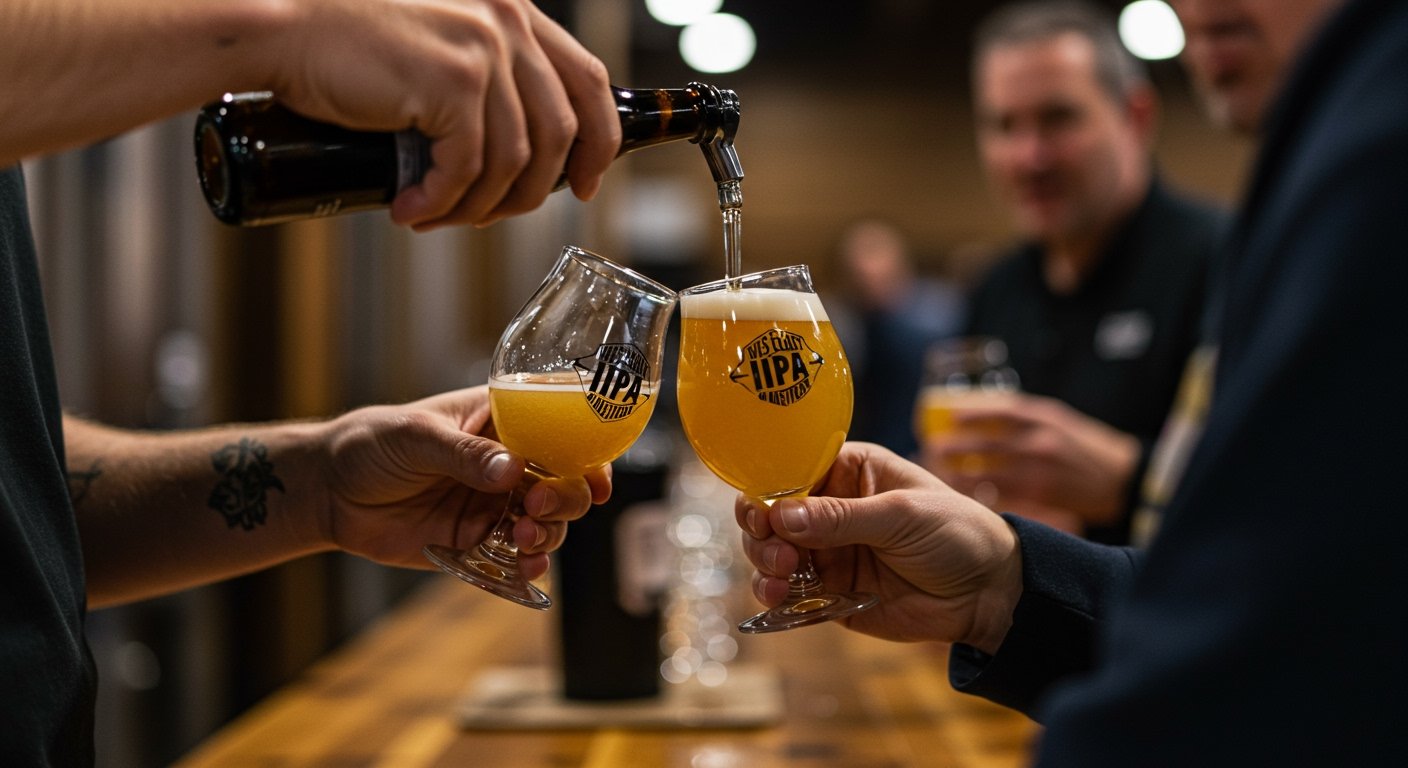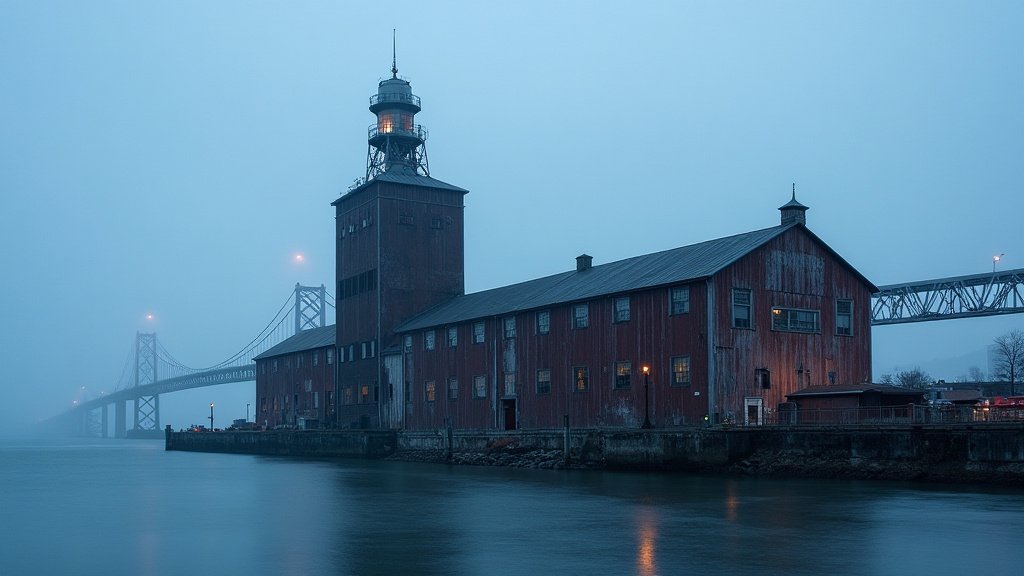
The Buoy Beer Company, a cornerstone of Astoria’s waterfront culture and a defining symbol of Oregon’s coastal brewing identity, has officially begun its long, sad farewell. For over ten years, the brewery—housed within a historic cannery—served not just as a taproom, but as a community living room where the rhythm of the Columbia River met the craft of artisanal brewing. As the company winds down, the final original recipes are being tapped, signaling the conclusion of an era that transformed Astoria’s reputation into a must-visit destination for beer enthusiasts worldwide. This closure is not merely the shuttering of a business; it is the fading of a local institution that helped anchor the revitalization of the city’s downtown district.
The Iconic Cannery Era
The story of Buoy Beer Company is inextricably linked to the physical and historical landscape of Astoria. By operating out of a century-old cannery, the brewery bridged the gap between the city’s industrial fishing past and its modern, tourism-driven economic model. The iconic view of the Astoria-Megler Bridge, often framed by the brewery’s windows, provided a backdrop that was instantly recognizable to anyone who had visited the region. The brewery’s commitment to its location was never just aesthetic; it was foundational. The distinct flavor profiles—crisp, clean, and often influenced by the coastal air—were the result of a deliberate, locally-focused brewing process that prioritized small-batch excellence over mass-market scalability. For the dedicated community and the fervent beer club members, the cannery was a place of rituals, from the seasonal release parties to the quiet Friday evenings spent watching the river fog roll in over a pint of IPA.
Beyond the Beer: Economic and Cultural Ripples
The departure of such a prominent entity sends significant shockwaves through the local economy. Beyond the immediate loss of jobs, the brewery functioned as an economic multiplier. Tourists drawn to the taproom would consistently patronize nearby hotels, restaurants, and retail shops, fueling a micro-economy that flourished around the brewery’s success. The Astoria Downtown Association has long cited Buoy Beer as a vital engine for foot traffic, helping to sustain the downtown core during the slower off-season months. When an anchor business of this stature retreats, it creates a void that is difficult to fill, requiring the city to reevaluate how it supports its hospitality sector. The loss is felt most acutely by the loyalists, the beer club members who felt an ownership stake in the brand, and who are now left with the bittersweet final pours of the original recipes they helped celebrate.
The Brewing Industry’s Structural Shift
To understand why Buoy Beer is winding down, one must look at the macro-level pressures currently weighing on the craft brewing industry in the Pacific Northwest and beyond. According to the Oregon Craft Beer Council, breweries across the state are grappling with a “perfect storm” of challenges: skyrocketing overhead costs, the rising price of quality hops and malt, and the shifting consumption habits of the modern drinker. While the demand for high-quality beer remains, the business model required to sustain a large-scale, brick-and-mortar operation on the waterfront has become increasingly fragile. Labor shortages, supply chain volatility, and the need for significant capital investment in aging infrastructure—particularly in buildings as historic and challenging as a century-old cannery—have rendered many long-standing operations unsustainable. Buoy Beer’s decision to wind down serves as a sobering bellwether for the industry, suggesting that passion and popularity alone are sometimes insufficient to overcome the relentless pressures of operational costs.
A Legacy Left on the Riverwalk
Despite the somber nature of the closure, the legacy of Buoy Beer is secure. It successfully carved out a specific, regional identity in a crowded market, proving that a brewery could be both a commercial success and a cultural touchstone. The brand’s commitment to its “long, sad farewell”—providing fans with the opportunity to consume the final original batches—demonstrates a respect for the community that defined its decade in business. As the equipment is decommissioned and the taproom lights dim for the final time, the physical space may eventually find a new purpose, but the spirit of the original Buoy Beer will remain a fixture of Astoria’s narrative. The city will continue to be a hub for craft beer, but the absence of the buoy-logoed glasses on the riverfront will be a tangible reminder of the transient nature of even the most beloved local institutions. The closing of this chapter invites the community to reflect on the importance of local heritage and the difficult, often invisible, work that goes into building a brand that truly feels like home.