The Confederated Tribes of Siletz Indians will host their 49th Annual Restoration Pow-Wow in Lincoln City on November 14, 2026, inviting the public to participate in a profound celebration of cultural heritage and sovereignty. This year’s event serves as a critical milestone, reflecting on the enduring legacy of the Siletz Restoration Act of 1977, the landmark legislation that officially restored the tribe’s federal recognition and ignited a decades-long revitalization of their traditions, language, and community cohesion. For the residents of Lincoln City and the broader Oregon community, this gathering represents more than just a ceremony; it is a living history lesson and a vibrant display of indigenous art, music, and dance that continues to shape the identity of the Pacific Northwest.
Key Highlights
- Date & Location: The 49th Annual Restoration Pow-Wow is scheduled for November 14, 2026, in Lincoln City, Oregon.
- Significance: The event commemorates the 1977 Siletz Restoration Act, a pivotal moment that reinstated federal recognition for the Confederated Tribes of Siletz Indians.
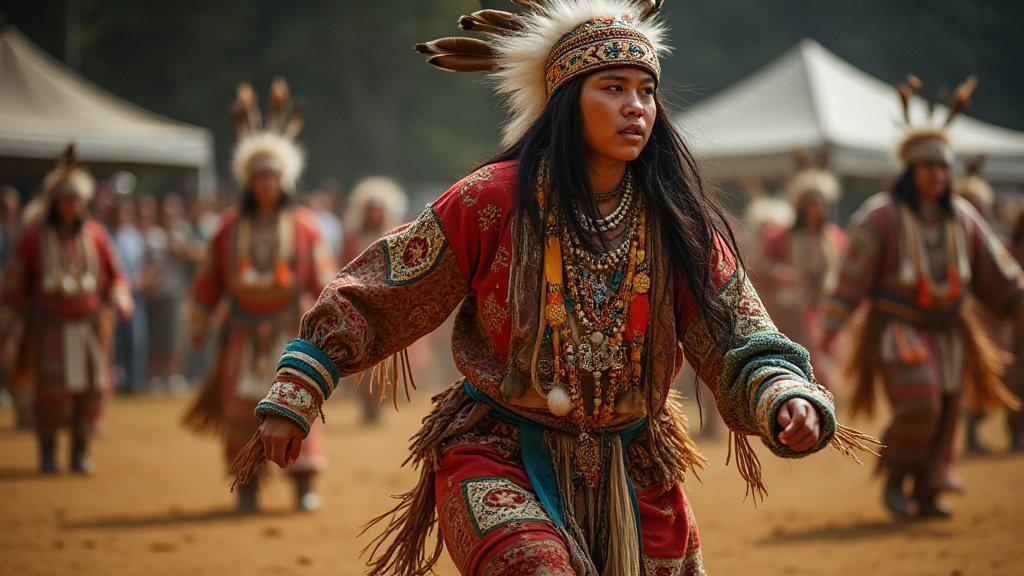
- Cultural Showcase: Attendees can expect traditional drumming, intertribal dance, and showcases of intricate regalia, highlighting the tribe’s dedication to cultural preservation.
- Community Engagement: This is a public event, encouraging visitors to participate respectfully, learn about tribal history, and support local indigenous craft vendors.
A Legacy of Resilience and Sovereignty
The 49th Annual Restoration Pow-Wow is deeply rooted in the fight for existence and recognition. To understand the gravity of this upcoming November event, one must revisit the historical climate leading up to the 1977 Siletz Restoration Act. For years, the Siletz people faced the systematic pressures of the termination era—a period in U.S. history where the federal government sought to end its relationship with various tribes, effectively cutting off essential services and threatening the dissolution of cultural identities.
The Restoration Pow-Wow is the direct, triumphant response to that era of erasure. When the tribe was successfully restored to federal status in 1977, it sparked a renaissance. The event held annually is not merely a party; it is an assertion of sovereignty. It serves as a pedagogical tool for the younger generation, passing down the complex, rhythmic narratives told through drumbeats and dance steps.
The Cultural Tapestry of the Pow-Wow
At the core of the Pow-Wow lies the dance arena, often considered a sacred space where the heartbeat of the tribe—the drum—leads the procession. For observers attending the 2026 event, the visual experience will be unparalleled. Traditional regalia, which often takes years to craft, serves as a physical archive of tribal history. Each bead, feather, and stitch in the garments worn by dancers tells a story of familial heritage or personal spiritual journey.
Experts in indigenous culture note that the Pow-Wow is an ‘intertribal’ space. While it celebrates the specific history of the Siletz, it also invites members of other tribes to participate, reinforcing a broad network of Indigenous resilience in the West. This inclusivity helps bridge gaps between tribal and non-tribal communities in Lincoln City, fostering an environment of mutual respect and educational exchange.
Economic and Social Impact on Lincoln City
Beyond the cultural and spiritual dimensions, the annual Pow-Wow acts as a vital economic engine for the Lincoln City region. By drawing visitors from across the state and the country, the event supports local tourism, hospitality, and retail sectors. However, the economic impact is secondary to the ‘social capital’ generated by the event.
Local business leaders in Lincoln City view the event as an opportunity to deepen partnerships with the tribe. As the 49th iteration approaches, preparations are already underway to accommodate an influx of attendees. The tribe’s management of the event demonstrates their sophisticated organizational capabilities, blending traditional governance with modern event management. This dual approach is characteristic of the Siletz Tribe’s trajectory—maintaining a fierce loyalty to their heritage while thriving in the modern economic landscape.
Toward the 50th Anniversary
This year’s event is notably the penultimate lead-up to the 50th-anniversary celebration. The upcoming 2026 gathering will likely serve as a preview for the golden anniversary in 2027. Tribal leaders are expected to use this year’s platform to emphasize the longevity of their restoration, reinforcing the message that the Siletz are a permanent, integral, and flourishing part of Oregon’s landscape.
As the tribe looks toward the future, the Pow-Wow remains the primary vehicle for sustaining cultural literacy. For non-tribal members, attending is an opportunity to move beyond surface-level observations and engage with the reality of living, breathing native cultures that are actively shaping the modern world rather than merely reflecting on the past.
FAQ: People Also Ask
Q: Is the Restoration Pow-Wow open to the public?
A: Yes, the Confederated Tribes of Siletz Indians generally welcome the public to attend the Restoration Pow-Wow. It is a celebratory event meant to share culture with the community, though attendees are always encouraged to observe event protocols and show respect for the sacred nature of the ceremonies.
Q: What is the significance of the ‘Restoration’ in the title?
A: The title refers to the Siletz Restoration Act of 1977. This legislation was a turning point for the tribe, as it officially reversed the policy of ‘termination,’ thereby restoring the tribe’s federal recognition and sovereign status after a period of exclusion.
Q: What activities can attendees expect to see?
A: Visitors can expect to see traditional drumming, various forms of competitive and social intertribal dancing, and exhibits of traditional regalia. There are often vendors selling authentic Native American arts and crafts, which provide an opportunity to support tribal artisans.
Q: Where exactly does the event take place?
A: The event is hosted in Lincoln City, which serves as the traditional and administrative hub for the Confederated Tribes of Siletz Indians. Specific venue details for the 2026 event will be updated through the tribe’s official communication channels closer to the date.