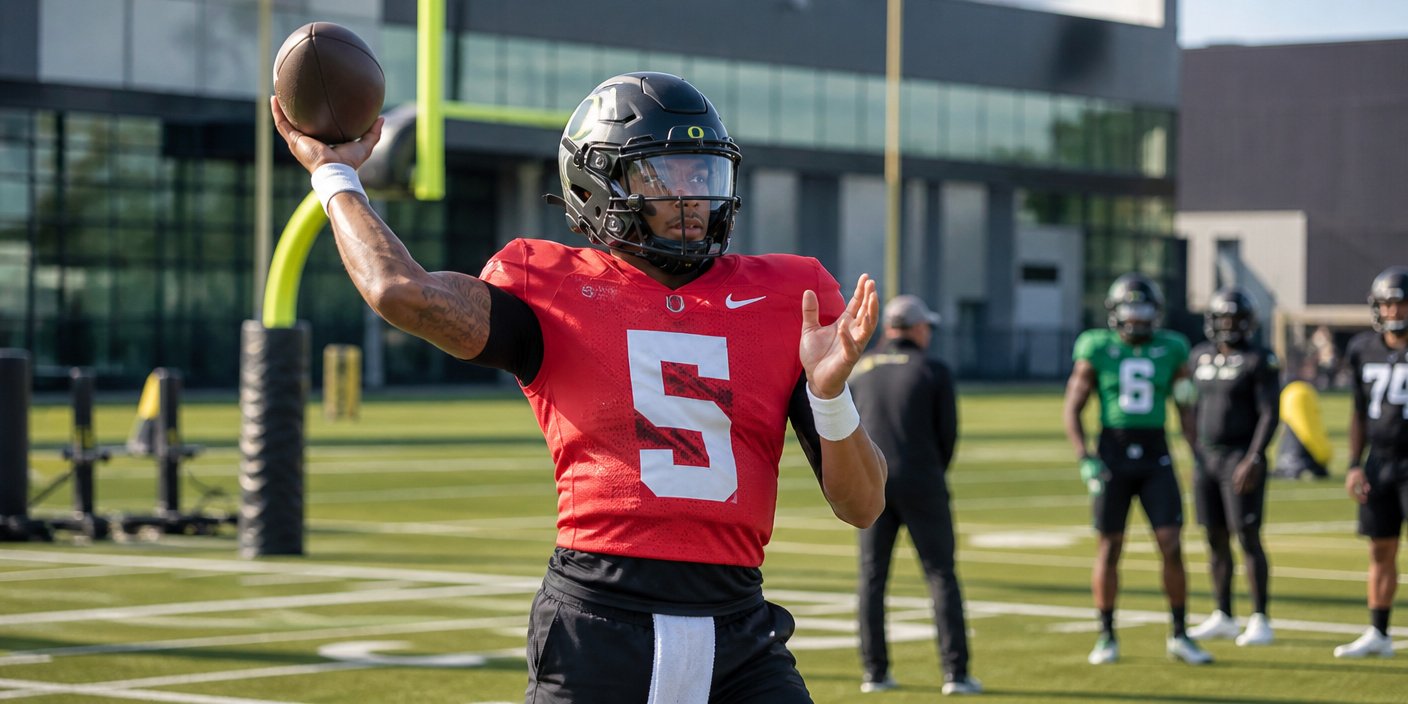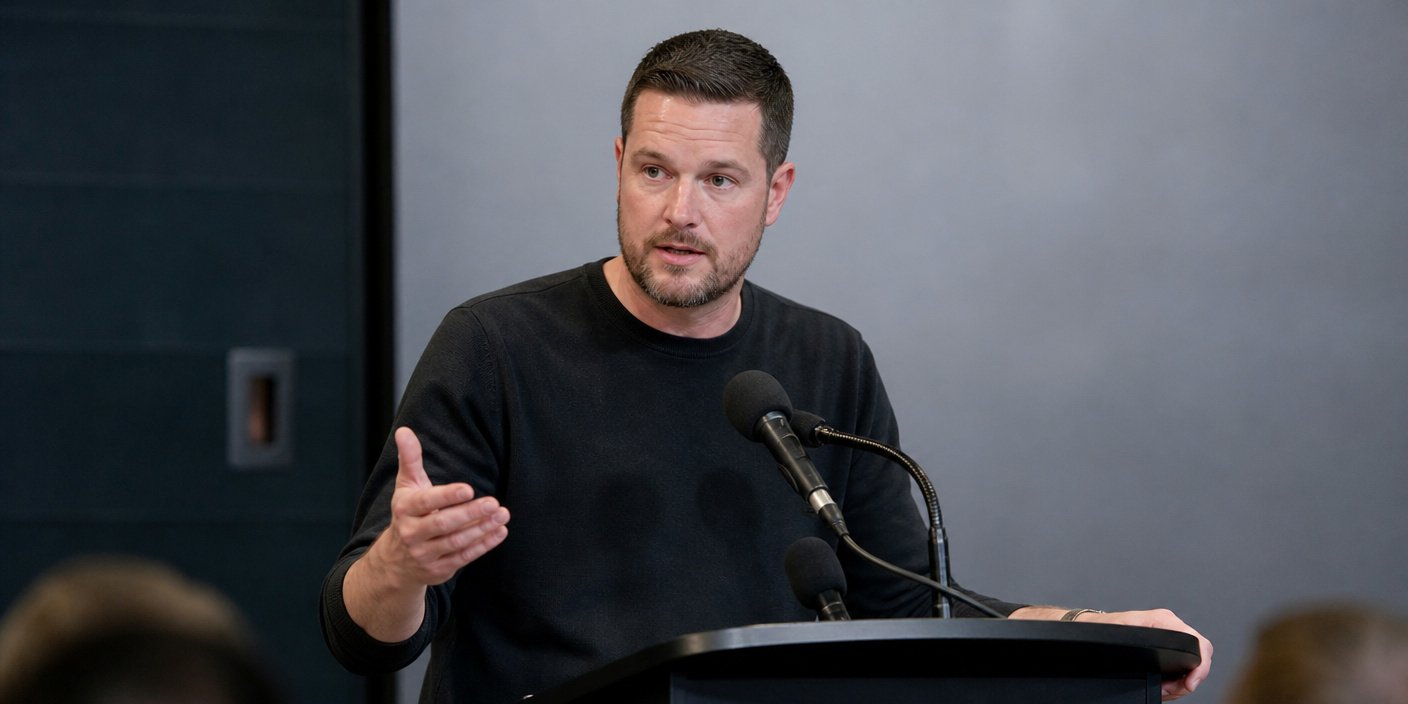
Oregon head coach Dan Lanning has officially dismissed offensive coordinator Drew Mehringer following the Ducks’ disappointing 21-10 loss to Illinois, a decision that underscores the heightened volatility within the program as they navigate a challenging 4-3 campaign. The move, announced early this week, signals a dramatic shift in direction for the program as Lanning seeks to reignite an offense that has struggled to find consistency against rigorous defensive fronts. The loss to Illinois served as the final straw, highlighting a recurring inability to sustain drives and execute in the red zone.
Key Highlights
- Immediate Coaching Change: Drew Mehringer has been relieved of his duties as Oregon’s offensive coordinator effective immediately following the Illinois defeat.
- Performance Crisis: The 21-10 loss dropped Oregon to a 4-3 overall record, with the offensive output significantly lagging behind program expectations.
- Strategic Pivot: Dan Lanning addressed the media, emphasizing the need for a “new offensive identity” and tactical adaptability to salvage the remainder of the season.
- Recruitment Watch: With the coaching change, all eyes turn to the current recruiting cycle to see how high-value prospects respond to the staff shakeup.
The Strategic Pivot: Lanning’s Vision for Oregon
The decision to cut ties with Drew Mehringer is, by all metrics, a high-stakes gamble for Dan Lanning. In the hyper-competitive landscape of modern college football, coaching staff turnover is rarely a sign of health, yet Lanning has framed the move as a necessary surgical strike to save the team’s momentum. The 21-10 loss to the Illinois Fighting Illini was not merely a defeat on the scoreboard; it was a schematic failure that left the Ducks looking disjointed.
Lanning’s comments during the post-change press conference were calculated and firm. He avoided scapegoating individual players, instead focusing on the “disconnect” between the coaching staff’s preparation and the on-field product. The Oregon program has long prided itself on an aggressive, high-scoring offensive tempo—a legacy inherited from years of successful coaching transitions—and the current staff was expected to maintain, if not exceed, that standard. When the scoreboard shows only 10 points after sixty minutes of play, the scrutiny turns immediately to the architect of the scheme.
Analyzing the Tactical Breakdown
What went wrong in the Illinois matchup? Film review indicates that the offensive line struggled with stunts and blitz packages, but the deeper issue was play-calling predictability. Mehringer’s reliance on specific sets in short-yardage situations allowed Illinois’ defensive coordinator to dictate the terms of the game. For Oregon, this resulted in a cascade of negative plays and third-and-long scenarios that killed any hope of rhythm. By dismissing Mehringer, Lanning is signaling a desire to simplify the playbook and empower the players to rely more on instinct than complex pre-snap reads, which have clearly bogged down the team during this 4-3 run.
Historical Context: The Oregon Offensive Standard
To understand the magnitude of this firing, one must look at the historical offensive identity of the University of Oregon. For over a decade, the Ducks have been synonymous with innovation—a team that defenses fear not because of sheer size, but because of speed and tactical ingenuity. Fans and donors at Autzen Stadium have been conditioned to expect explosive scoring. When an offensive coordinator fails to meet that threshold, the tolerance for error is remarkably low. Lanning understands that he is not just managing a team; he is managing a brand. By making this change, he is proactively aligning the current team with the historical expectations of the “Oregon brand” of football, ensuring that the team remains a destination for top-tier offensive talent who want to play in a fast-paced, high-scoring system.
The Recruitment Domino Effect
The most immediate, and perhaps dangerous, consequence of this firing is the impact on high school recruiting. In the era of the Transfer Portal and NIL (Name, Image, and Likeness), elite high school athletes are looking for stability. They want to know who will be developing them for the next three years. When an OC is fired mid-season, it creates a vacuum of information. Lanning and his recruiting staff now face the monumental task of calling commits and prospects to reassure them that the offensive philosophy will remain intact, or perhaps even improve. If Lanning fails to sell this vision of a “refreshed” offense, he risks de-commitments that could harm the program’s long-term health. The next three weeks will be critical for retention efforts, as rival programs will undoubtedly attempt to use the coaching change to flip Oregon’s top targets.
Future Outlook: Salvaging the Season
Where does Oregon go from here? With a 4-3 record, the season is far from lost, but the margin for error has evaporated. The immediate path forward involves simplifying the offensive package to maximize the natural athleticism of the roster. Lanning has hinted that he may take a more hands-on approach with offensive strategy during practice, essentially serving as a consultant to the interim staff. The goal is clear: stabilize the offense to allow the defense—which has been performing at a commendable level—to carry the team to bowl eligibility and beyond. If the offense can even achieve league-average productivity, the Ducks remain a dangerous team capable of upsetting favored opponents. However, if the dysfunction continues, the 4-3 record may slide further, potentially leading to questions about Lanning’s own oversight of the program’s offensive direction.
FAQ: People Also Ask
Who will take over play-calling duties for the Oregon Ducks?
While the university has yet to name a permanent successor, internal candidates from the existing staff are currently managing offensive operations on an interim basis to ensure continuity in the short term.
How does this change affect the 4-3 record?
The record remains intact as the dismissal occurred after the game. However, the coaching staff overhaul is intended to prevent further losses and steer the team toward a winning record by the end of the season.
Is Dan Lanning’s job secure after this loss?
Yes. While the offensive coordinator change is a significant adjustment, Lanning maintains the full support of the athletic department. This move is viewed as a proactive effort by the head coach to fix on-field performance issues rather than a sign of instability in the head coaching position.
Will this change lead to a total offensive overhaul?
While the core personnel will remain the same, fans should expect a shift in schematic philosophy. Lanning has indicated a focus on simplification and “player-first” play-calling to improve efficiency.