Oregon’s cannabis industry has achieved a near-perfect record in age restriction enforcement, significantly outpacing traditional alcohol retailers in compliance. According to recent data from the Oregon Liquor and Cannabis Commission (OLCC), authorized cannabis dispensaries are effectively preventing underage sales, a trend that underscores the efficacy of strict regulatory oversight and specialized training within the burgeoning cannabis market. While alcohol retailers struggle to maintain consistent standards, cannabis businesses have established a regulatory culture that prioritizes compliance as a condition of operational survival.
Key Highlights
- Near-Perfect Compliance: Licensed cannabis retailers successfully denied entry or sales to underage decoys nearly 100% of the time, setting a new benchmark for age-restricted industries.
- Alcohol Retail Gap: In contrast, traditional alcohol retailers, including grocery stores and convenience outlets, demonstrated a compliance rate of approximately 80% during similar sting operations.
- Regulatory High Stakes: The disparity is largely attributed to the stringent licensing requirements of the cannabis sector, where a single violation can lead to immediate license revocation.
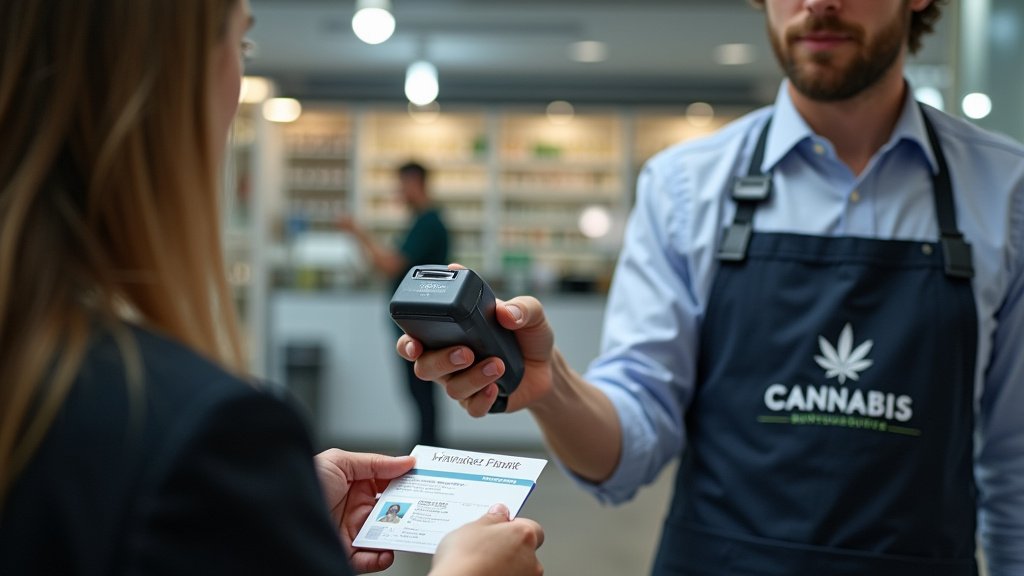
- Technological Adoption: Dispensaries are increasingly utilizing advanced electronic ID scanning systems that exceed the verification protocols typically found in general retail environments.
The Anatomy of Compliance: Why Cannabis Retailers Succeed
The most striking revelation from the OLCC’s recent compliance report is the stark contrast in how these two industries handle the presence of underage decoys. The near 100% success rate among cannabis retailers is not an accident; it is the result of a highly centralized and regulated operational environment. Unlike alcohol, which is sold in a massive variety of venues—from high-volume grocery chains to gas stations and boutique bottle shops—cannabis is restricted to specialized, licensed dispensaries. This specialization creates a ‘fortress’ mentality regarding compliance.
The Fear of Revocation
For a dispensary owner, a license to operate is the most valuable business asset. Unlike a liquor store, which might operate under a broader business license or franchise agreement, a cannabis dispensary is often subject to heightened scrutiny by the OLCC. The threat of license revocation, civil penalties, and the public stigma of selling to a minor creates a culture where staff are hyper-vigilant. In many dispensaries, the ‘check at the door’ policy is absolute. Customers are often required to present valid government-issued identification before they even cross the threshold into the retail area, creating a double-check system that many liquor retailers lack.
Technological Barriers to Entry
Another factor identified in the success of cannabis retailers is the rapid adoption of specialized POS (Point of Sale) systems. Many cannabis dispensaries utilize integrated ID scanners that automatically flag expired IDs, mismatched data, or signs of tampering. While these systems exist in the alcohol industry, they are less universally mandated and often inconsistently used in high-traffic retail environments like grocery stores. The dispensaries have essentially automated the verification process, removing human error from the initial screening phase.
The Structural Challenges of Alcohol Retail
To understand why alcohol retailers struggle to maintain the 80% compliance threshold, one must look at the structural differences in the retail environment. Alcohol is woven into the fabric of daily commerce, available in locations with high throughput and diverse staff responsibilities. A cashier at a large grocery chain may be managing self-checkout kiosks, scanning groceries, and monitoring the security of the store simultaneously. This ‘multitasking’ environment is the enemy of consistent ID verification.
Fatigue and Throughput
In a busy grocery store, the pressure to maintain speed often conflicts with the necessity of a thorough ID check. An employee checking out a cart full of groceries may subconsciously view a request for ID as an inconvenience that delays the queue. Conversely, the dispensary environment is slower, more deliberate, and focused entirely on the transaction of a single type of product. This creates a psychological difference in the employee’s approach to the customer.
Disparate Enforcement Standards
There is also a question of regulatory parity. The OLCC treats cannabis with a specific intensity that is rarely applied to the broader alcohol market. The regulatory framework for cannabis is newer, and the agencies tasked with overseeing it are more aggressive in their testing protocols. As the alcohol industry operates under a more permissive, historic framework, the enforcement ‘teeth’ may feel sharper to the dispensary owner than to the grocery store manager.
Secondary Angles: The Future of Retail Compliance
Looking ahead, this data prompts several important questions regarding the future of public health and safety regulations.
1. The Technology Transfer: Will state agencies begin mandating that alcohol retailers adopt the same electronic ID scanning technology used in dispensaries? If the goal is 100% compliance, the current manual check system may soon be considered obsolete.
2. The ‘Dispensary Model’ as Policy: Could the strict, ‘ID-at-the-door’ model used by cannabis dispensaries be adapted for liquor stores? While it would require a significant shift in retail layout and increased staffing, the success rate suggests it could virtually eliminate underage alcohol sales if implemented.
3. Public Health Perception: This data fundamentally shifts the narrative regarding cannabis ‘danger.’ By demonstrating that the cannabis industry is actually more responsible and compliant than the long-established alcohol industry, policymakers may find it easier to argue for further normalization of cannabis retail spaces.
FAQ: People Also Ask
Q: Why are cannabis retailers more compliant than alcohol retailers?
A: The difference is primarily due to strict operational requirements, the high risk of license revocation for dispensary owners, and the use of specialized electronic ID scanning systems that act as an automated, non-negotiable verification layer.
Q: Is the 80% alcohol compliance rate considered low?
A: In the context of regulatory enforcement, an 80% compliance rate indicates that one in five checks failed. For regulatory bodies like the OLCC, this is a significant concern that often triggers increased testing and potential penalties for retailers.
Q: Will this data lead to stricter laws for alcohol stores?
A: It is likely that this report will serve as leverage for advocacy groups and regulators to push for mandatory electronic ID verification systems in alcohol retail, similar to what is currently required for high-risk cannabis dispensaries.
Q: Do cannabis retailers use the same ID checks as liquor stores?
A: Often, no. Many cannabis dispensaries use advanced, integrated ID scanners that flag potential fraud immediately, whereas many alcohol retailers still rely on manual checks performed by staff who are managing other retail responsibilities.