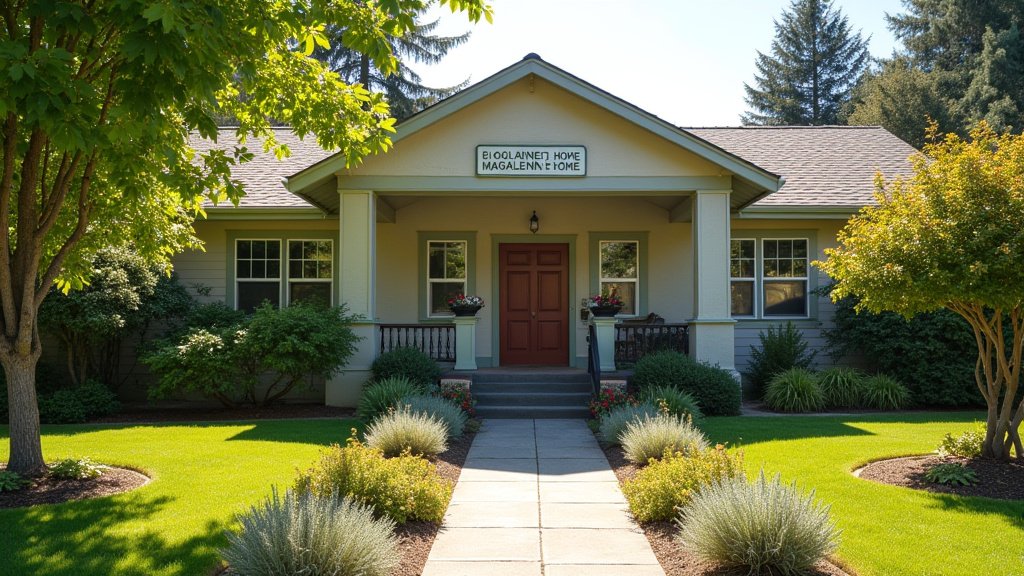
The Magdalene Home, a cornerstone of social support in Southern Oregon, is celebrating its 25th anniversary of providing essential housing, educational resources, and life skills training to teen mothers. For two and a half decades, this organization has operated as a vital lifeline, helping young women secure their GEDs, navigate the challenges of early parenthood, and prepare for sustainable, independent lives. As the facility marks this significant milestone, Executive Director Kathleen Wilson—who has been a central figure in the home’s operation—has announced that she will retire at the end of 2026, initiating a deliberate leadership transition for the non-profit.
Key Highlights
- 25-Year Milestone: The Magdalene Home commemorates a quarter-century of service, providing a structured environment for pregnant and parenting teens in Southern Oregon.
- Holistic Support: The program focuses on more than just housing; it prioritizes educational attainment (GED completion) and long-term independent living skills.
- Leadership Transition: Executive Director Kathleen Wilson has confirmed her retirement plans for the end of 2026, with the organization currently focusing on ensuring a seamless future for its residents.
- Community Impact: The home plays a critical role in breaking cycles of poverty by offering stable living conditions that allow young mothers to focus on their futures.
A Quarter-Century of Transformation: The Magdalene Home Legacy
Since its inception, the Magdalene Home has served as a beacon of stability for young women who often face a bifurcated path: the immediate, overwhelming responsibilities of motherhood and the ongoing demands of adolescence. In the Southern Oregon region, where access to supportive housing for vulnerable populations can be scarce, the Magdalene Home has filled a distinct void, offering a safe harbor where education and parenting are not mutually exclusive, but rather complementary goals.
The Pillars of Success: Education and Independence
Central to the Magdalene Home’s operational philosophy is the recognition that long-term stability requires more than temporary shelter. The organization’s model is built on providing comprehensive support services, with a primary emphasis on education. By facilitating the pursuit of GEDs and high school diplomas, the home ensures that residents are building the intellectual and vocational foundations necessary to support their families without remaining dependent on social safety nets indefinitely.
This approach addresses the systemic barriers faced by teen mothers, such as lack of childcare, financial instability, and limited access to transportation. By integrating these services under one roof, the Magdalene Home removes the logistical friction that often leads to dropouts and housing instability. Residents are encouraged to develop life skills—ranging from financial literacy and time management to healthy parenting techniques—that empower them to manage their own households once they transition out of the program.
The Economics of Stability: A Regional Benefit
The impact of the Magdalene Home extends well beyond the individual residents it houses. By providing a stable environment, the organization helps to mitigate the long-term societal costs associated with teen pregnancy and family instability. When a young mother successfully completes her education and secures employment, the economic trajectory for both the parent and the child improves significantly. This ‘two-generation’ impact is what makes the Magdalene Home an essential component of Southern Oregon’s social infrastructure.
Throughout its 25-year history, the home has navigated various economic climates and policy shifts, proving the resilience of its service model. The organization’s longevity is a testament to its ability to adapt to the changing needs of the community while maintaining its core commitment to empathy, structure, and professional development.
Preparing for 2026: The Strategic Succession
As the organization celebrates its 25th anniversary, the narrative is naturally shifting toward the future. Kathleen Wilson’s announcement regarding her retirement at the end of 2026 is being framed as a planned, strategic succession rather than an abrupt departure. This two-year runway is critical for a non-profit of this size. It allows the board of directors and the leadership team to evaluate the organization’s current operations, identify the necessary skill sets for incoming leadership, and ensure that the mission remains steady during the transition.
For the residents, stability is paramount. The leadership transition is being managed with the explicit goal of maintaining the same level of care and continuity that the community has come to expect. This phase represents a maturation point for the Magdalene Home—a transition from a founder-influenced model to a sustainable, institutionalized system capable of continuing its work for another 25 years and beyond.
FAQ: People Also Ask
What services does the Magdalene Home provide for residents?
Residents at the Magdalene Home receive a combination of stable housing, educational support (including GED preparation), parenting classes, and guidance on independent living skills, all designed to help them transition to self-sufficiency.
How has the Magdalene Home managed to stay operational for 25 years?
Its longevity is attributed to a consistent focus on a specific, high-need demographic in Southern Oregon, coupled with strong community support and a clear, actionable mission that aligns educational success with housing stability.
What will happen to the Magdalene Home after Kathleen Wilson retires?
The organization is actively planning for the 2026 transition. The goal is to ensure a smooth change in leadership that preserves the home’s existing programs and values while positioning it for future operational success.
Is the Magdalene Home open to all teen mothers in Oregon?
The facility is focused on serving residents within its specific region in Southern Oregon. Potential residents or those looking to refer someone should contact the organization directly to understand current eligibility requirements and bed availability.