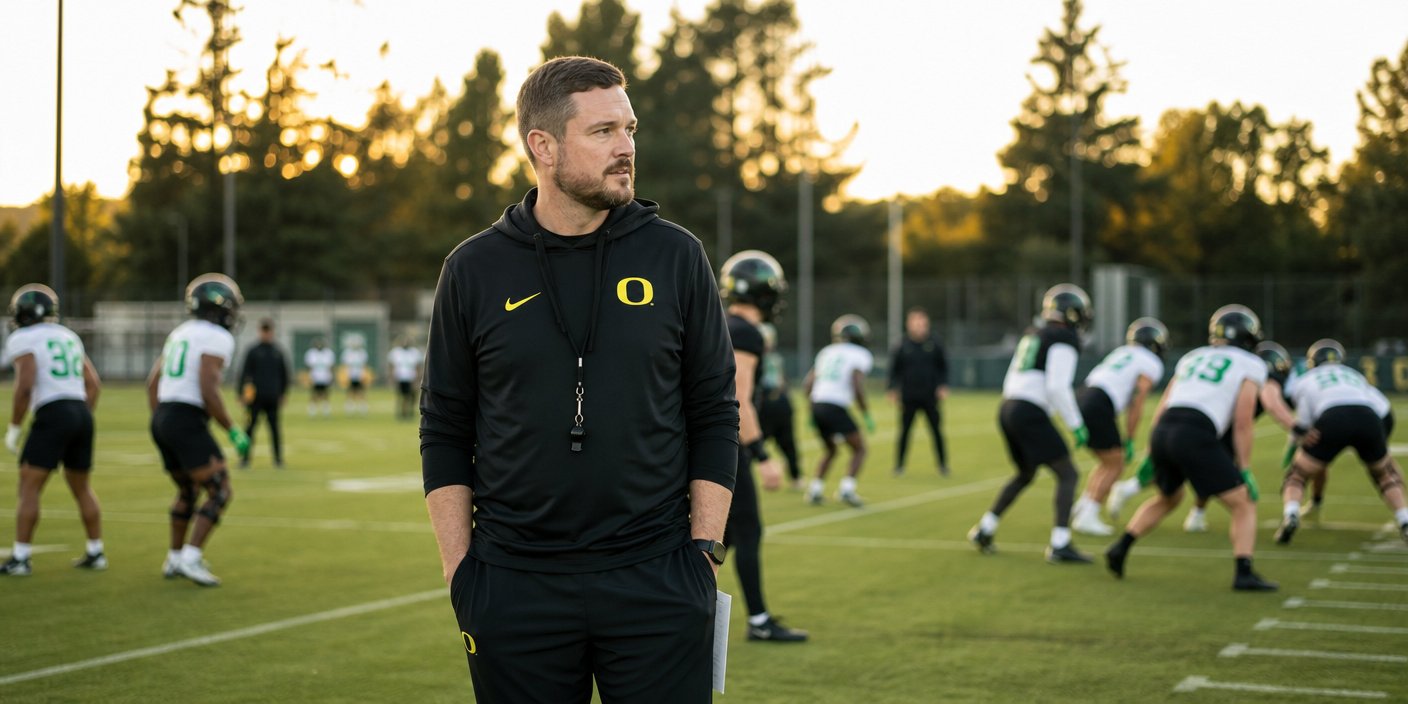
As the sun sets over the Willamette Valley, the atmosphere inside Oregon’s fall camp is marked by a palpable sense of focused intensity. For head coach Dan Lanning and the Oregon Ducks, the 2026 campaign represents more than just another season in the expanded Big Ten Conference; it is a critical juncture where championship aspirations meet rigorous on-field execution. With a roster anchored by 15 players possessing significant starting experience, the foundation for success is undoubtedly present. However, translating that potential into a trophy-contending performance requires navigating a complex landscape of tactical adjustments, physical endurance, and strategic game management. This season is widely viewed as the most pivotal year for Lanning’s tenure, as the team looks to move beyond mere contention and solidify its status as a perennial power in the modern collegiate landscape.
The Veteran Advantage: Capitalizing on 15 Starters
The most significant asset Oregon carries into the 2026 season is undoubtedly the returning production. Having 15 players with established starting experience provides a level of continuity rarely seen in the transfer portal era. This isn’t just about raw talent; it is about cognitive load. Veterans who have navigated the nuances of Lanning’s defensive schemes and the speed of Big Ten offenses allow the coaching staff to install more complex play-calling options earlier in the season. During the intense fall camp sessions in Eugene, this maturity has manifested in cleaner communication and fewer pre-snap penalties. The secondary and the offensive line, in particular, are benefiting from this cohesion, acting as the bedrock upon which the season’s success will be built. If the Ducks can avoid the injury bug that frequently plagues high-tempo programs, this core group provides the stability necessary to close out tight games against conference rivals.
Navigating the Big Ten Grind
Transitioning to the Big Ten was once the headline; now, mastering the travel, the physicality, and the varied playstyles is the mandate. The 2026 schedule offers little respite, requiring the Ducks to balance high-octane offensive production with the trench-warfare requirements of traditional Big Ten football. Success hinges on a two-pronged approach: effective roster rotation to mitigate physical wear and a tactical flexibility that allows the offense to pivot between a spread-out air attack and a ball-control ground game. The coaching staff has emphasized ‘situational awareness’—knowing exactly when to push the tempo and when to grind out the clock—as a primary focal point during August practices. For Oregon, the key is not just surviving the conference schedule but thriving within its unique demands.
Quarterback Efficiency and Situational Mastery
While the roster is veteran-heavy, the quarterback position remains the ultimate lever for success. The 2026 campaign demands high-level decision-making over mere athletic prowess. The offense is designed to punish defenses that over-commit, requiring a field general who can diagnose pressures at the line of scrimmage. Throughout fall camp, the competition for the starting role has been less about raw arm talent and more about ‘process’—how quickly the ball comes out, the accuracy on third-down conversions, and the ability to minimize negative plays. If Oregon can maintain a completion percentage north of 68% and a 3-to-1 touchdown-to-interception ratio, the offense will likely possess the necessary floor to compete with any program in the country.
Defensive Front Continuity and Pressure
Under Lanning, the Oregon defense has evolved into a disciplined, aggressive unit. The 2026 keys to success on this side of the ball rely on the defensive line’s ability to generate pressure without relying exclusively on exotic blitz packages. With the return of key veterans, the front seven is expected to be more fundamentally sound in gap discipline. The goal is to force opponents into passing situations on third down, allowing the defensive ends to pin their ears back and affect the quarterback. This defensive front is the ‘tip of the spear.’ If they can consistently disrupt the opponent’s rhythm, it relieves pressure on the secondary, allowing them to play with more confidence and aggressiveness.
The Autzen Factor: Home Field Dominance
Finally, no analysis of an Oregon season is complete without addressing the role of Autzen Stadium. The ‘Autzen Edge’ is a tangible factor, with the noise level and home-field advantage playing a statistical role in opponent efficiency. However, in 2026, the Ducks must leverage this environment not just for inspiration, but for tactical advantage. The team has been practicing specific communication signals that rely on non-verbal cues, allowing them to operate at pace even when the crowd noise is deafening. Winning at home is a baseline requirement for a successful campaign; winning convincingly is a statement of intent that will be vital for playoff seeding and national standing as the season progresses into November.
FAQ: People Also Ask
How does the returning starter count compare to previous years?
Oregon’s 15 returning starters mark one of the highest retention rates in the Dan Lanning era, providing significantly more continuity than the 2024 or 2025 rosters, which relied more heavily on transfer portal acquisitions.
What is the biggest challenge for the Ducks in 2026?
The primary challenge remains the cumulative physical toll of an expanded Big Ten schedule. Depth, specifically on both lines of scrimmage, will be tested more rigorously than in previous seasons.
How does the 2026 schedule impact Oregon’s playoff chances?
The schedule features high-profile matchups against traditional conference powers. Strength of schedule metrics are expected to be high, meaning even a single loss would likely not disqualify the Ducks from playoff contention, provided the loss is competitive.
What role does Autzen Stadium play in the 2026 season strategy?
Beyond the atmosphere, the strategy involves ‘noise-proofing’ the offensive operations, ensuring the team is comfortable communicating in high-decibel environments, which provides a significant advantage when playing at home against visiting teams unfamiliar with the facility.