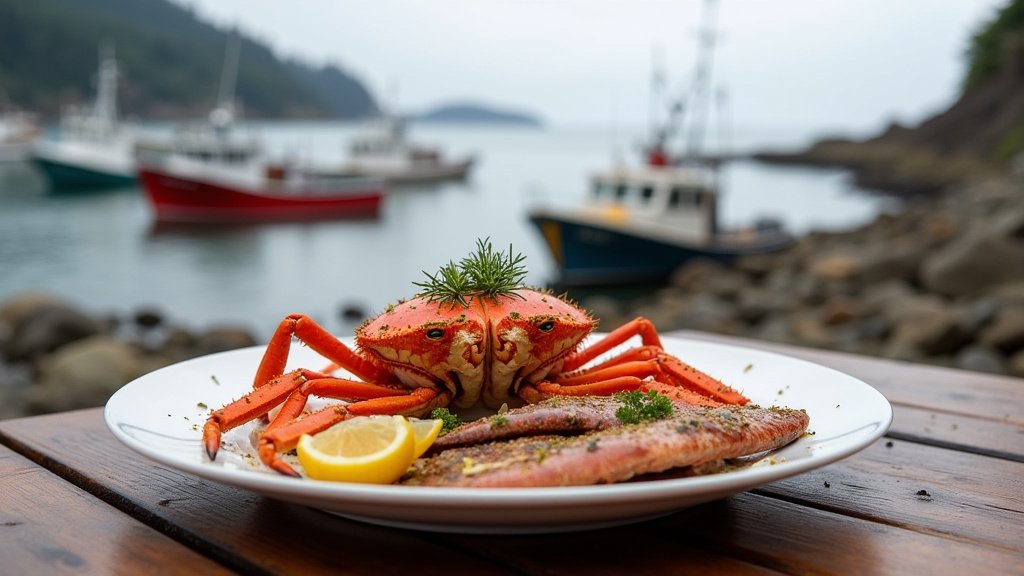
The Oregon Coast Seafood Trail has officially launched, marking a significant milestone in Pacific Northwest culinary tourism. By creating a formalized, interactive network of restaurants, seafood markets, and fisheries, the initiative aims to bridge the gap between the hardworking individuals who harvest the ocean’s bounty and the visitors eager to experience it. This strategic move by the Oregon Coast Visitors Association (OCVA) is designed to bolster local fisheries, preserve maritime heritage, and provide an immersive, ‘boat-to-table’ experience across 363 miles of coastline.
Key Highlights
- Launch of the Oregon Coast Seafood Trail: A comprehensive, mapped resource connecting travelers to sustainable seafood providers along the entire coastline.
- Sustainable Focus: The trail emphasizes locally-landed, responsibly harvested seafood, promoting conservation and awareness of Pacific Northwest fishing practices.
- Economic Catalyst: Designed to drive tourism to coastal communities, providing a direct revenue stream for local fishermen, markets, and independent restaurants.
- Cultural Education: The initiative highlights the human element of fishing, sharing the stories and traditions of the families who have sustained these communities for generations.
Navigating the Oregon Coast Seafood Trail: A Culinary Blueprint
The Oregon Coast Seafood Trail is not merely a list of restaurants; it is a curated experience designed to demystify the journey of seafood from the Pacific Ocean to the plate. By partnering with the Oregon Coast Visitors Association (OCVA), the trail provides travelers with a map that identifies specific locations where the primary offering is locally caught, sustainable seafood. This initiative addresses a common traveler pain point: the desire to eat local food but the difficulty in discerning whether a menu item is truly regional or imported.
The ‘Boat-to-Table’ Philosophy
At the core of the trail is the commitment to sustainability. By highlighting establishments that prioritize locally-landed catches—such as Dungeness crab, albacore tuna, Chinook salmon, and rockfish—the trail encourages a shorter supply chain. This transparency is vital. When visitors understand that their Dungeness crab was likely caught within miles of the restaurant where they are dining, the value of the experience increases, fostering a deeper appreciation for the local ecosystem. The trail serves as an educational tool, explaining seasonality and the unique fishing methods utilized by Oregon’s maritime professionals.
Economic Resilience in Coastal Communities
Beyond culinary appeal, the trail serves as a critical economic engine. Many of Oregon’s coastal towns have historically struggled with the boom-and-bust cycles inherent in the fishing industry. By integrating these fisheries into the tourism infrastructure, the OCVA is creating a diversified revenue model. When tourists visit a specific coastal town to sample fresh catch at a participating market or restaurant, they also spend money on lodging, fuel, and other local services. This ‘multiplier effect’ is essential for maintaining the viability of these communities during off-peak tourism months.
Supporting Independent Fisheries
For independent fishermen, the trail provides much-needed visibility. It platforms the individuals who brave the Pacific, allowing them to tell their stories directly to consumers. By branding the seafood as ‘Oregon-landed,’ the trail elevates the market value of the catch. This is a deliberate effort to combat the commoditization of seafood, ensuring that the financial rewards of the harvest remain within the community rather than being siphoned off by large, non-local distributors.
A Legacy of Maritime Heritage
The third secondary angle explores the preservation of cultural history. Oregon’s fishing culture is centuries old, defined by indigenous practices and generations of immigrant families who built towns around harbor access. The trail serves as a living museum, preserving the oral histories of these fishing families. It reminds the public that the seafood industry is not just an extractive business, but a cultural pillar.
The Future of Sustainable Maritime Tourism
Looking ahead, the Oregon Coast Seafood Trail sets a precedent for other regions. It demonstrates how tourism boards can act as facilitators for local industries, rather than just promoters of leisure. As travelers become increasingly conscious of the ‘food miles’ associated with their meals, this trail positions Oregon as a leader in sustainable, transparent gastronomic tourism. Future expansions could include dockside tours, interactive processing demonstrations, and direct-to-consumer fish-buying workshops, further deepening the connection between the visitor and the ocean.
FAQ: People Also Ask
Q: What is the primary goal of the Oregon Coast Seafood Trail?
A: The primary goal is to connect travelers with sustainable, locally-landed seafood providers (restaurants, markets, and fisheries) to drive tourism and boost the economic vitality of Oregon’s coastal communities.
Q: Does the trail cover the entire Oregon coast?
A: Yes, the trail spans the full 363 miles of the Oregon coastline, including various stops from the northern border down to the California state line.
Q: Is the seafood on the trail always locally caught?
A: The trail emphasizes and features providers that source locally-landed, sustainable seafood. It is designed to prioritize regional catches, providing transparency for consumers regarding the origin of their food.
Q: How does this help local fishermen?
A: By driving tourist traffic to local seafood vendors and restaurants, the trail increases demand for locally-landed fish, ensuring better pricing and economic stability for the fishermen who harvest these resources.