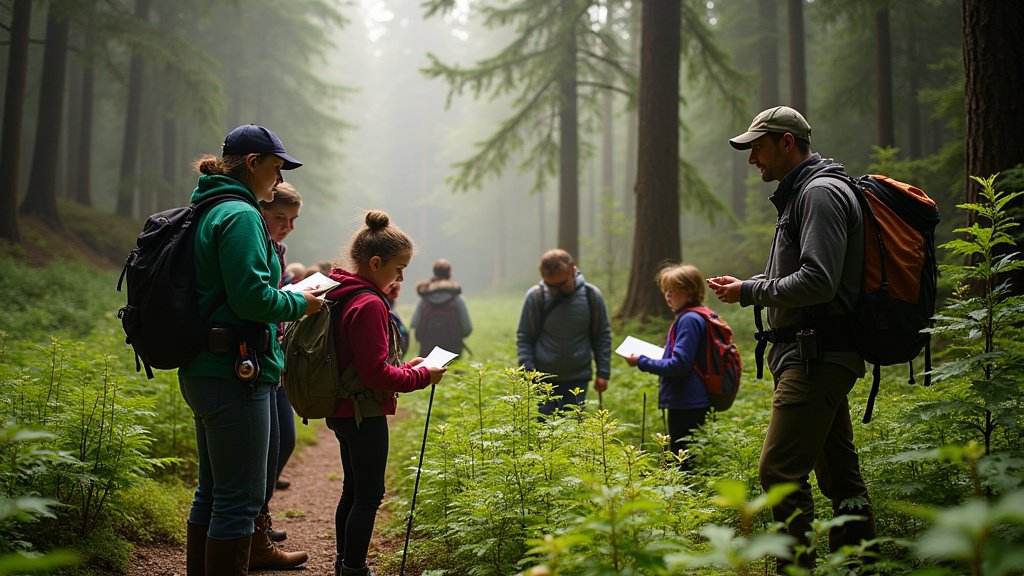
The vibrant temperate rainforests of the Pacific Northwest are more than just a scenic backdrop; they are a complex, living classroom. Today, Milo McIver State Park, located just outside Estacada, Oregon, serves as the stage for the ‘Fruits of the Forest’ event—an initiative designed to bridge the gap between casual outdoor recreation and scientific ecological literacy. This educational program provides families, local residents, and nature enthusiasts with a unique, guided opportunity to delve into the identification, role, and preservation of the forest’s native flora, specifically targeting the edible and botanical treasures hidden within the Clackamas River watershed.
Key Highlights
- Ecological Stewardship: The event emphasizes ‘Leave No Trace’ principles, teaching participants how to interact with forest resources sustainably.
- Botanical Education: Expert guides lead attendees through the identification of local flora, including seasonal berries and fungi common to the Willamette Valley region.
- Community Engagement: Designed to cater to families and lifelong learners, the program promotes active outdoor participation over passive observation.
- Regional Significance: Explores how Milo McIver State Park serves as a crucial habitat corridor for native species in Clackamas County.
The Ecology of the Clackamas River Watershed
The ‘Fruits of the Forest’ event at Milo McIver State Park is not merely a guided walk; it is an exercise in bioregional awareness. The park, which spans over 900 acres along the Clackamas River, acts as a primary laboratory for understanding the temperate rainforest biome. Unlike more manicured public spaces, Milo McIver preserves a rugged, diverse landscape that hosts a variety of plant life crucial to the local ecosystem.
Understanding Native Flora
During today’s sessions, participants are tasked with examining the intricate relationships between soil quality, canopy density, and plant distribution. For many attendees, the event offers their first exposure to species such as the Salal (Gaultheria shallon) and the Oregon Grape (Mahonia aquifolium). Understanding these plants is essential for grasping the ecological health of the area. These native species provide vital sustenance for local wildlife, from black bears to songbirds, making the ‘Fruits of the Forest’ more than a scavenger hunt—it is a lesson in trophic cascades and the delicate balance of nature.
The Mycological Connection
The event also touches upon the vital role of fungi. In the humid, temperate climate of Estacada, fungi are the primary decomposers, cycling nutrients back into the forest floor. The educational curriculum includes identification practices for common fungal varieties, strictly emphasizing the difference between edible specimens and toxic look-alikes. This section of the event highlights the rigor required in citizen science, demonstrating that even a casual nature walk demands a high level of observation and caution.
Education Through Experiential Learning
Modern pedagogical approaches in state parks, such as those championed by the Oregon State Parks and Recreation Department (OSPRD), are shifting away from didactic lectures and toward experiential learning. By placing families in the field, Milo McIver State Park effectively lowers the barrier to entry for ecological literacy. For children, identifying a berry on a bush is a tactile reinforcement of biology; for adults, it is a reminder of the historical relationship humans have maintained with the land.
The Rise of Nature Journaling
A secondary angle of the event involves the promotion of nature journaling. Organizers encourage participants to document their findings, not by collecting specimens, which would disrupt the habitat, but by sketching and recording observations. This practice promotes mindfulness and detailed observation, helping attendees internalize the seasonal shifts of the forest. By treating the forest as a historical archive of seasonal change, participants learn to view the landscape as a timeline of environmental health rather than just a recreational site.
Impact on Regional Tourism and Conservation
The economic impact of programs like ‘Fruits of the Forest’ should not be understated. As Estacada continues to grow, initiatives that emphasize the preservation of natural resources foster a culture of conservation within the community. When visitors learn the value of the forest, they become stakeholders in its protection. This shift in perspective is critical for state parks, which must balance the rising demand for outdoor recreation with the necessity of habitat preservation. Educational events effectively act as a self-policing mechanism, as informed visitors are far less likely to damage the delicate ecosystems they have come to appreciate.
Future Implications for State Park Management
Looking forward, the ‘Fruits of the Forest’ model serves as a potential blueprint for other parks within the OSPRD system. As climate patterns in the Pacific Northwest become less predictable, the ability to monitor forest health—often through the observations of citizen scientists—will become increasingly valuable. By engaging the public in these educational programs, the park service builds a community of advocates who are equipped to monitor changes in biodiversity, invasive species encroachment, and forest resilience.
Preparing for a Changing Landscape
As we move into the next decade, the integration of technology—such as mobile identification apps and GIS-based tracking—into these events seems like a logical next step. While the current event focuses on traditional identification methods, the future of forest education likely lies in a hybrid approach. The goal remains the same: to foster a deep, lasting connection between the people of Oregon and the wild landscapes that define the region.
FAQ: People Also Ask
Q: Is foraging permitted in Milo McIver State Park?
A: Generally, foraging for personal consumption is restricted or prohibited in most Oregon State Parks to protect the ecosystem. The ‘Fruits of the Forest’ event is strictly educational, focusing on identification and ecological role rather than harvesting.
Q: What should I bring to an educational nature event at the park?
A: Visitors should bring sturdy, closed-toe walking shoes, weather-appropriate clothing (the Pacific Northwest is prone to sudden rain), water, a notebook, and a camera or phone for documenting observations without picking plants.
Q: How do these events support the environment?
A: By educating the public on local ecology, these events instill a sense of ‘stewardship.’ Visitors who understand the value of native plants are significantly more likely to follow ‘Leave No Trace’ principles and advocate for park conservation.
Q: Are these events suitable for all ages?
A: Yes, the ‘Fruits of the Forest’ is designed to be family-friendly, though some portions involving detailed identification may be more engaging for older children and adults. It is recommended to check the specific itinerary for the event day.
Q: Who leads these educational sessions?
A: Sessions are typically led by OSPRD interpretive staff, volunteer naturalists, or local ecological experts who are trained in the specific botanical and mycological characteristics of the Clackamas River watershed.