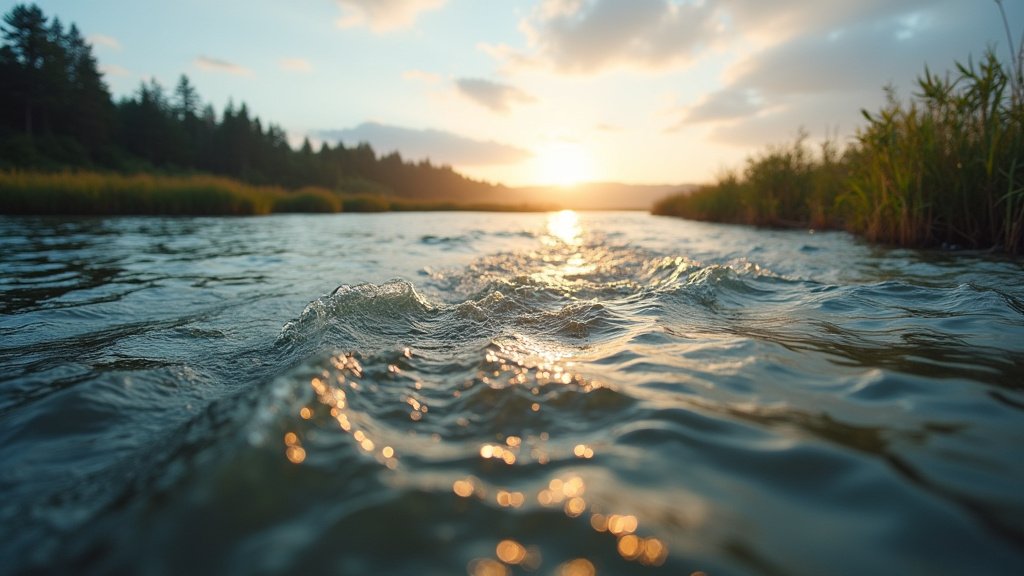
The Siuslaw Estuary in Oregon is experiencing a significant ecological revival following the completion of a major conservation project aimed at reconnecting its tidal roots. This initiative, a culmination of years of planning and collaboration, is poised to restore vital habitats, improve water quality, and bolster the resilience of this crucial coastal ecosystem.
Key Highlights:
- Restoration of natural tidal flows to the Siuslaw Estuary.
- Significant habitat improvement for fish and wildlife.
- Enhanced water quality and reduced sediment buildup.
- A model for future coastal conservation projects.
Siuslaw Estuary’s Tidal Renaissance
The Siuslaw Estuary, a vital artery on Oregon’s coast, has undergone a transformative reconnection with its natural tidal cycles. This ambitious conservation effort, spearheaded by a coalition of environmental agencies and local stakeholders, marks a pivotal moment in the region’s ecological recovery. For decades, the estuary’s natural ebb and flow were hindered by human modifications, leading to degraded habitats and compromised water health. The recent completion of the reconnection project signifies a monumental step towards restoring the estuary’s ecological integrity and ensuring its long-term vitality.
The Science Behind the Restoration
At the heart of this project lies the intricate understanding of estuarine dynamics. Tidal influence is the lifeblood of estuaries, driving nutrient exchange, shaping salinity gradients, and creating the diverse physical environments that support a rich web of life. By removing or modifying legacy infrastructure that impeded this natural movement, the project has re-established a more robust tidal prism. This means that the full range of daily tides can now more freely move into and out of the estuary, carrying with them essential minerals, flushing out accumulated sediments, and re-oxygenating the water column. The restoration is not merely about allowing water to flow; it’s about reinstating the complex physical and chemical processes that define a healthy estuary. Organizations like the Siuslaw Watershed Council and the U.S. Army Corps of Engineers have been instrumental in the technical planning and execution, employing sophisticated hydrological modeling and engineering solutions to achieve the desired outcome with minimal disruption to surrounding areas.
Habitat Transformation and Biodiversity Gains
The repercussions of restoring tidal flows are profound for the estuary’s inhabitants. Intertidal zones, crucial nursery grounds for juvenile salmonids and foraging areas for migratory birds, are being revitalized. As the tidal range increases, these areas expand, offering more space and resources for a variety of species. This includes endangered or threatened species such as the Oregon Coast coho salmon, which rely on the complex estuarine environment for critical life stages. Furthermore, the improved circulation helps to distribute nutrients more effectively, supporting the base of the food web, from plankton to invertebrates, which in turn sustains larger fish populations. This ripple effect is expected to boost overall biodiversity and the health of the regional fishery, benefiting both the ecosystem and the local economy.
Water Quality and Sediment Management
Historically, restricted tidal exchange in the Siuslaw Estuary led to increased sedimentation and altered water chemistry. Stagnant areas allowed fine sediments to accumulate, smothering important habitats like oyster beds and eelgrass meadows. The reintroduction of vigorous tidal currents helps to scour these accumulated sediments, transporting them out to sea or to more dynamic depositional zones within the estuary where they can be naturally processed. This improved flushing action also helps to alleviate localized hypoxic (low oxygen) conditions that can be detrimental to aquatic life. Enhanced water circulation is a key factor in maintaining the overall health and usability of the estuary for both ecological and recreational purposes.
A Blueprint for Coastal Resilience
The Siuslaw Estuary project serves as a powerful case study for other coastal communities grappling with the impacts of past development and the accelerating challenges of climate change. The principles of restoring natural hydrological processes, enhancing habitat connectivity, and improving water quality are transferable. As sea levels rise and storm events become more intense, resilient ecosystems are critical for buffering coastal areas. By re-establishing the natural functions of the Siuslaw Estuary, the project not only restores ecological value but also enhances the natural defenses of the coastline, demonstrating a forward-thinking approach to environmental stewardship.
FAQ: People Also Ask
What is an estuary and why are they important?
An estuary is a partially enclosed coastal body of brackish water with one or more rivers or streams flowing into it, and with a free connection to the open sea. They are incredibly important ecosystems because they act as nurseries for many marine species, filter water, protect coastlines from storms, and support significant biodiversity.
How do tidal flows affect an estuary’s health?
Tidal flows are essential for an estuary’s health. They drive the circulation of water, which regulates salinity, brings in nutrients, removes waste products, and distributes oxygen. Natural tidal cycles also shape the physical habitat, creating diverse environments like mudflats and salt marshes that support a wide range of plant and animal life.
What kind of infrastructure might impede tidal flow in an estuary?
Infrastructure that can impede tidal flow includes dams, tide gates, culverts, bridges, levees, and artificial channels that are too small or improperly designed to accommodate the natural volume and range of tidal waters. Historically, these were often built for navigation, flood control, or land reclamation without fully understanding their ecological impact.
What are the benefits of restoring tidal flows to an estuary?
Restoring tidal flows can lead to numerous benefits, including improved water quality, increased habitat availability and complexity for fish and wildlife (especially for commercially and recreationally important species), reduced sedimentation, greater biodiversity, enhanced natural flood protection for coastal communities, and increased resilience to climate change impacts like sea-level rise.
Who were the key organizations involved in the Siuslaw Estuary restoration?
Key organizations typically involved in such large-scale restoration projects include federal agencies (like the U.S. Army Corps of Engineers, NOAA, or the EPA), state environmental agencies (like the Oregon Department of Fish and Wildlife or the Oregon Department of Environmental Quality), local watershed councils or conservation districts (such as the Siuslaw Watershed Council), non-profit environmental organizations, and sometimes private landowners or industry partners.