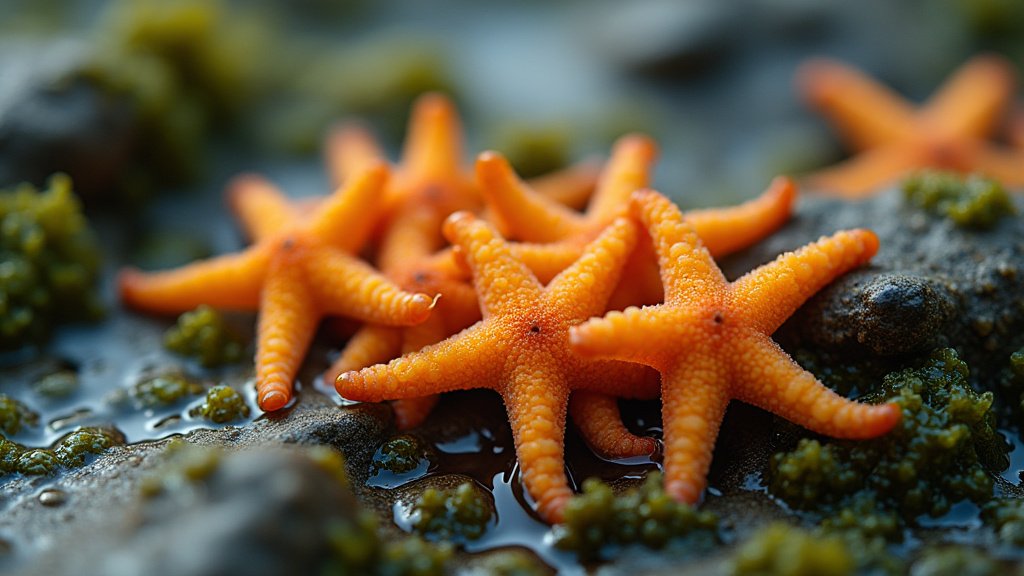
A remarkable surge in sea star populations has scientists buzzing along the Oregon Coast. Recent observations indicate a significant ‘baby boom’ among these echinoderms, a hopeful sign for marine ecosystems grappling with past challenges. This resurgence offers a vibrant display of nature’s resilience and a critical boost for biodiversity in coastal waters.
Key Highlights:
- Dramatic increase in juvenile sea star numbers observed.
- Positive indicator for the health of Oregon’s intertidal zones.
- Potential recovery from historical disease outbreaks like Sea Star Wasting Syndrome.
- Enhanced ecological balance expected with a larger sea star population.
Sea Stars Rebound: A Flourishing Intertidal Future
The Oregon Coast is experiencing an unprecedented “baby boom” of sea stars, a phenomenon generating excitement among marine biologists and conservationists. This dramatic population increase, particularly among juvenile sea stars, is a beacon of hope for the region’s delicate marine ecosystems. For years, these charismatic creatures have faced significant threats, most notably the devastating Sea Star Wasting Syndrome (SSWS) that decimated populations along the Pacific Coast starting in 2013. The current surge suggests a robust recovery and a flourishing future for these vital intertidal inhabitants.
The Resilience of the Pisaster Ochraçeus
Among the species showing a significant uptick is the Ochre sea star (Pisaster ochraçeus), easily recognizable by its large size and often purple or brownish hue. These keystone species play a crucial role in maintaining the health of tide pools by controlling populations of mussels and other invertebrates. Their decline due to SSWS had a cascading effect, allowing mussel populations to grow unchecked, altering the rocky intertidal community structure. The current “baby boom” signifies a potential restoration of this ecological balance.
Factors Driving the Population Surge
While the exact causes are still under investigation, scientists attribute this ‘baby boom’ to a confluence of favorable conditions. Several years of good larval settlement, coupled with reduced disease prevalence and potentially warmer ocean temperatures that may favor reproduction, are all contributing factors. A healthy and abundant food source for the juvenile sea stars, such as barnacles and limpets, also plays a vital role in their survival and growth. This period of strong recruitment bodes well for the long-term stability of sea star populations along the coast.
Broader Ecological Implications
The recovery of sea star populations has far-reaching implications for the entire coastal food web. As apex predators in their environment, sea stars help maintain biodiversity by preventing any single species from dominating. Their presence supports a more complex and resilient ecosystem, benefiting countless other marine organisms that rely on the stable intertidal environment sea stars help create. This resurgence is not just about sea stars; it’s about the overall health and vibrancy of the Pacific Northwest’s marine life.
Conservation Efforts and Future Monitoring
This positive trend underscores the importance of ongoing conservation efforts and vigilant monitoring. Scientists are continuing to track population numbers, genetic diversity, and the prevalence of any emerging diseases. Organizations like the Oregon Department of Fish and Wildlife and the Coastal Observation and Marine Ecosystem (COMES) project are instrumental in collecting data that informs conservation strategies. Public awareness and support for marine protected areas also contribute significantly to the resilience of these coastal environments.
FAQ: People Also Ask
What is Sea Star Wasting Syndrome?
Sea Star Wasting Syndrome (SSWS) is a disease that causes sea stars to deteriorate, eventually leading to death. It manifests as white lesions on the body, followed by loss of limbs and evisceration. The cause is believed to be a pathogen, possibly a densovirus, whose prevalence may be exacerbated by environmental factors like warmer ocean temperatures.
Why are sea stars important to tide pools?
Sea stars are keystone species in tide pool ecosystems. They prey on mussels and barnacles, preventing them from overpopulating and outcompeting other organisms. By controlling these populations, sea stars help maintain biodiversity and create a more varied and healthy intertidal habitat.
What are the different types of sea stars found on the Oregon Coast?
Common species include the Ochre sea star (Pisaster ochraçeus), the Sunflower sea star (Pycnopodia helianthoides) which was severely impacted by SSWS and is now critically endangered, the Mottled sea star (Evasterias troschelii), and the Pisaster giganteus.
How can the public help protect sea stars?
Members of the public can help by being mindful in tide pools – avoid disturbing sea stars, do not remove them from their habitat, and report any sightings of distressed or dying sea stars to local marine biologists or wildlife organizations. Supporting conservation initiatives also plays a crucial role.
What does a ‘baby boom’ mean for sea star populations?
A ‘baby boom’ refers to a period of significantly higher-than-average birth rates or successful juvenile recruitment. For sea stars, this means a large number of young sea stars are surviving and growing, indicating favorable environmental conditions and a potential recovery from population declines.