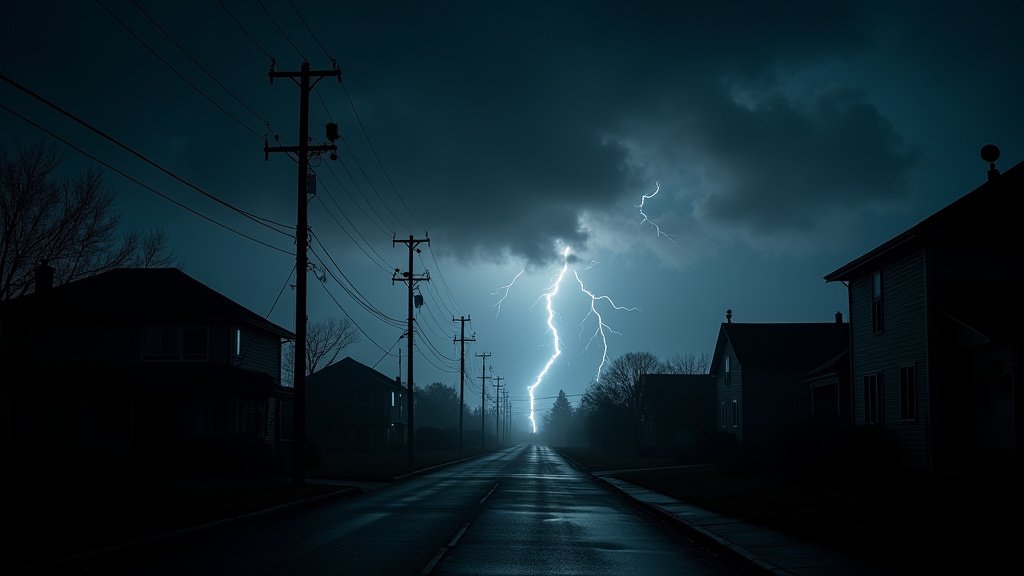
Central Oregon was battered by severe thunderstorms on Tuesday, unleashing powerful winds and large hail that caused significant damage across several communities.
Key Highlights:
- Damaging winds exceeding 60 mph were recorded in multiple locations.
- Hailstones, some reportedly the size of golf balls, caused widespread property and vehicle damage.
- Power outages affected thousands of residents, with utility crews working to restore electricity.
- Emergency services responded to numerous calls for downed trees, power lines, and structural damage.
Storm’s Fury Unleashed Across Central Oregon
Residents of Central Oregon are assessing the damage after a powerful line of severe thunderstorms swept through the region Tuesday afternoon and evening. The storms brought a trifecta of hazardous weather: destructive winds, large hail, and intense lightning. The National Weather Service confirmed that wind gusts in excess of 60 miles per hour were observed in areas including Bend, Redmond, and Prineville. These high winds were responsible for downing numerous trees, snapping power lines, and causing significant structural damage to homes and businesses.
Hailstones Pelt the Region
Accompanying the strong winds was a barrage of hail, with reports and photographic evidence surfacing of hailstones reaching golf ball size in some locales. The impact of this large hail caused considerable damage to vehicles, shattering windshields and denting body panels. Property owners are reporting damage to roofing, siding, and windows. Local farmers are also concerned about potential crop damage, though a full assessment will take time.
Widespread Power Outages
The severe weather led to extensive power outages, impacting thousands of customers across Central Oregon. Pacific Power reported numerous downed lines and damaged equipment as a result of the high winds and falling trees. Crews were dispatched immediately, but many residents faced extended periods without electricity. The utility company advised residents to treat all downed power lines as live and to stay clear of damaged electrical equipment. The full restoration effort is expected to take time due to the widespread nature of the damage.
Emergency Response and Damage Assessment
Emergency responders, including local fire departments and law enforcement, were inundated with calls throughout the storm. The primary concerns included downed trees blocking roadways, damaged power lines posing a safety hazard, and reports of minor structural damage to buildings. Officials are urging residents to report any significant damage to their local authorities for assessment and potential disaster relief considerations. The sheer volume of calls strained resources in some areas, highlighting the severity of the event.
Meteorological Conditions and Future Outlook
Meteorologists attribute the severe weather outbreak to a potent combination of atmospheric instability, abundant moisture, and strong wind shear. A cold front interacting with warm, humid air created the perfect conditions for the development of severe thunderstorms. While the immediate threat has passed, weather forecasters are monitoring the potential for lingering impacts and advising residents to stay informed about any further weather advisories. The region is no stranger to stormy weather, but the intensity of Tuesday’s event was notable.
FAQ: People Also Ask
What were the primary impacts of the severe thunderstorms in Central Oregon?
The primary impacts included damaging wind gusts, large hail that caused property and vehicle damage, widespread power outages affecting thousands of residents, and numerous instances of downed trees and power lines.
How large was the hail reported in Central Oregon?
Reports and photographic evidence indicated that hailstones in some areas reached the size of golf balls.
How many people were affected by power outages?
Thousands of customers across Central Oregon experienced power outages due to the severe weather.
What caused these severe thunderstorms?
The thunderstorms were caused by a combination of atmospheric instability, moisture, and strong wind shear, likely due to a cold front interacting with warm, humid air.
What should residents do if they encounter downed power lines?
Residents should treat all downed power lines as live and dangerous, stay clear of them, and report them immediately to the utility company or emergency services.