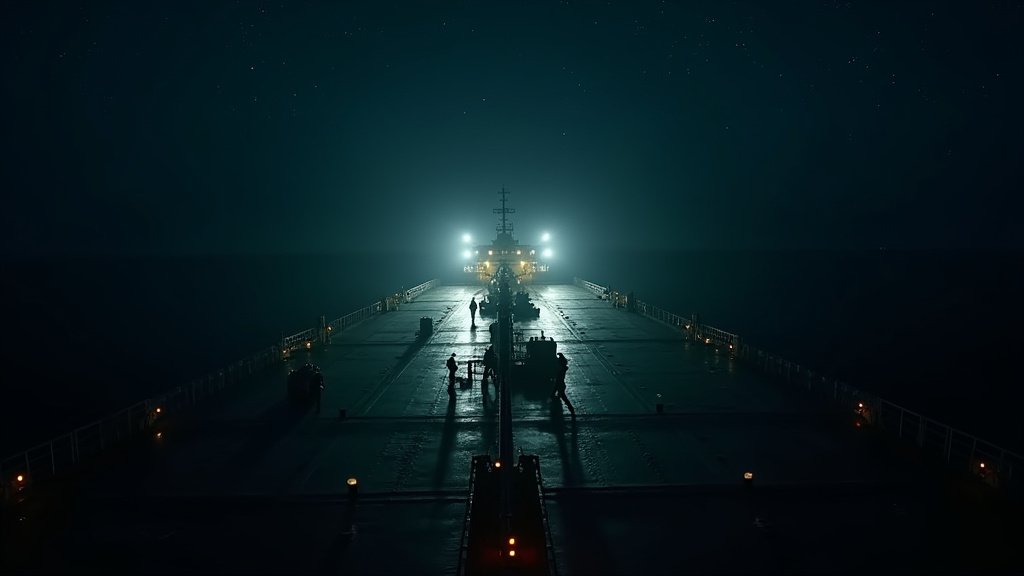
The U.S. Navy has reportedly boarded an Iranian-flagged oil tanker in the Gulf of Oman, amid suspicions that the vessel was attempting to breach an international blockade. The operation highlights ongoing tensions in the region and the U.S. military’s role in enforcing maritime security.
Key Highlights:
- U.S. Navy forces boarded an Iranian-flagged oil tanker.
- The tanker was suspected of attempting to break an international blockade.
- The incident occurred in the Gulf of Oman.
- The operation underscores regional maritime security concerns.
Tensions Flare in Gulf of Oman as US Navy Boards Suspected Blockade-Running Tanker
The waters of the Gulf of Oman have once again become a focal point for geopolitical maritime activity, with U.S. Navy personnel boarding an Iranian-flagged oil tanker. The vessel is under suspicion of attempting to circumvent an established international blockade, a move that could have significant implications for regional stability and international maritime law. This operation, if confirmed and detailed, represents a direct engagement by U.S. forces in the complex and often volatile maritime environment of the Persian Gulf.
Strategic Significance of the Gulf of Oman
The Gulf of Oman serves as a crucial chokepoint, connecting the Persian Gulf to the open ocean via the Strait of Hormuz. Approximately one-fifth of the world’s oil supply passes through this narrow waterway. Consequently, any disruption or incident within this region carries substantial global economic and political weight. The U.S. Navy’s presence and its proactive stance in boarding suspected vessels underscore its commitment to maintaining freedom of navigation and deterring actions that could threaten global energy markets.
International Blockades and Maritime Law
International blockades, when legally imposed, are a recognized tool of international law, often used as a coercive measure during conflicts or to enforce international sanctions. However, their implementation and enforcement are subject to strict legal frameworks, including UN Security Council resolutions or international agreements. The U.S. military’s actions in this instance would likely be framed within the context of enforcing existing sanctions or preventing the illicit transfer of oil, a practice that has become increasingly contentious.
Iran’s Maritime Activities and Regional Response
Iran has frequently been accused by the U.S. and its allies of engaging in destabilizing activities in the Persian Gulf, including the seizure of commercial vessels and the disruption of shipping lanes. Tehran, in turn, often accuses the United States and its regional partners of unwarranted interference in its maritime affairs. Incidents like the boarding of this tanker can quickly escalate, drawing in other regional powers and international bodies.
The Role of the U.S. Navy
The U.S. Navy plays a significant role in maintaining security and stability in the Persian Gulf and surrounding waters. Through naval patrols, exercises, and direct interdiction operations, the U.S. aims to counter threats to maritime commerce, deter aggression, and uphold international norms. The boarding of the Iranian tanker is a clear demonstration of the Navy’s operational capabilities and its mandate to respond to perceived violations of international law or security threats.
FAQ: People Also Ask
What is an Iranian-flagged oil tanker?
An Iranian-flagged oil tanker is a vessel registered in Iran, subject to Iranian maritime laws and regulations, and primarily used for the transportation of crude oil or refined petroleum products. These tankers are a key component of Iran’s oil export infrastructure and are often at the center of international maritime disputes.
What is a blockade in international law?
A blockade, in international law, is an act of war or a coercive measure where one party prevents vessels from entering or leaving a specific port or stretch of coastline. For a blockade to be lawful, it must be declared, effective, and applied impartially. Its enforcement is subject to significant international scrutiny.
Why is the Gulf of Oman strategically important?
The Gulf of Oman is strategically vital because it is the only sea passage connecting the Persian Gulf to the open ocean. It is a critical transit route for a significant portion of global oil supplies, making it a focal point for international maritime security and geopolitical interest.
What are the potential consequences of such an incident?
Such an incident can lead to heightened diplomatic tensions between the involved nations, potentially impacting oil prices and global energy markets. It could also trigger retaliatory actions, increase regional instability, and necessitate intervention or mediation by international organizations.