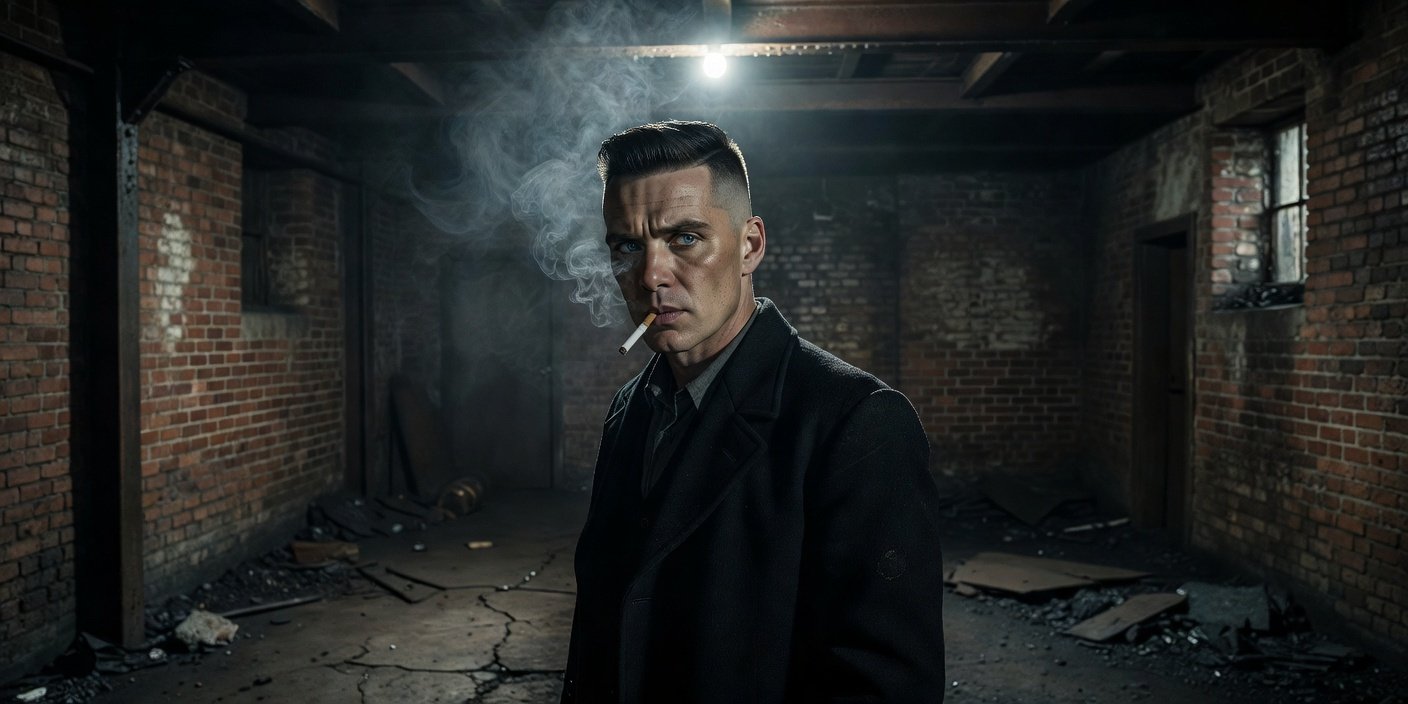
The week of March 16–20, 2026, served as a definitive turning point for the streaming industry, acting as the unofficial kickoff to the spring prestige TV season. With major platforms like Netflix, Prime Video, and Apple TV+ dumping high-budget, highly anticipated titles in a synchronized burst, viewers were presented with a rare embarrassment of riches. This week was characterized not just by the volume of content, but by the strategic intent behind these releases: cementing franchises, evolving reality-comedy hybrids, and capitalizing on the “Emmy bait” window that defines late-spring programming. Whether it was the return of a beloved crime saga or the expansion of a viral cult-comedy hit, the week of March 16 proved that the streaming wars are far from over—they are simply becoming more focused on quality-driven, audience-retaining juggernauts.
Key Highlights
The Shelby Saga Returns: Peaky Blinders: The Immortal Man* arrived on Netflix, marking a high-profile transition for the IP from episodic TV to a standalone, feature-length cinematic event.
Comedy’s Meta-Evolution: Prime Video’s Jury Duty Presents: Company Retreat proved that the “staged reality” format introduced by the original Jury Duty* is a sustainable, scalable comedic vehicle.
Genre Diversification: Beyond big-name returns, the week highlighted a surge in domestic psychological thrillers, led by Apple TV+’s Imperfect Women*.
- Strategic Scheduling: Networks and streamers utilized this mid-March window to prime audiences for the upcoming Emmy season, with shows airing before the May 31 eligibility cutoff.
The Streaming Shift: March 2026’s Watershed Moment
The week of March 16–20, 2026, will be remembered by analysts and audiences alike as a masterclass in platform strategy. By concentrating powerhouse titles within a five-day window, streamers engaged in a classic “clash of the titans,” forcing consumers to prioritize their subscription budgets based on the sheer cultural weight of the releases. This was not a random confluence; it was a calibrated effort to capture the collective consciousness of the internet before the summer slump.
The Cinematic Return of the Shelby Gang
The marquee event of the week was undeniably the Netflix premiere of Peaky Blinders: The Immortal Man. The transition of the Shelby crime family from a serialized television phenomenon to a feature-length film is a significant case study in modern media consumption. By bringing back Cillian Murphy as the iconic Tommy Shelby, Netflix leveraged the built-in audience loyalty of the original series while attempting to broaden its appeal as a standalone period drama. The film avoids the pitfalls of “TV movie” syndrome, instead leaning into the high-production values and noir aesthetic that made the original show a global hit. Critics have noted that this release structure—eventizing a television show into a movie—may provide a new blueprint for concluding long-running series without the fatigue of an overextended final season. It also highlights the shift in Netflix’s strategy to produce “event cinema” that drives subscription spikes in a competitive market.
The Evolution of “Staged Reality” in Comedy
While Peaky Blinders dominated the prestige drama conversation, Prime Video’s Jury Duty Presents: Company Retreat offered a fascinating evolution of the mockumentary and reality-TV genres. The original Jury Duty was a viral sensation that blurred the lines between genuine human reaction and orchestrated comedic writing. By moving the second installment to a “Company Retreat” setting, the producers have successfully expanded the scope of their “staged reality” format. This iteration relies heavily on the tension between improv comedy and scripted constraints. Industry analysts suggest that this format is increasingly attractive to streamers because it offers the “viral potential” of reality TV with the control and narrative depth of a sitcom, effectively doubling down on the formula that made the first season a cultural touchstone.
Psychological Thrillers and the Prestige TV Standard
Amidst the larger franchises, the premiere of Imperfect Women on Apple TV+ underscored the enduring demand for the “prestige domestic thriller.” Following in the footsteps of hits like Big Little Lies and The Better Sister, Imperfect Women targets a demographic that values nuanced interpersonal drama and high-stakes moral dilemmas. Apple TV+’s commitment to this genre—characterized by high-budget production, A-list casting, and sleek visual storytelling—continues to solidify its reputation as the “prestige” tier of the streaming world. This show exemplifies the “facade of wealth” trope, but it does so with a technical proficiency that keeps audiences hooked, proving that even as the industry chases big sci-fi and fantasy IPs, there remains a massive, loyal audience for grounded, suspenseful character studies.
Industry Analysis: Why Studios Are Dumping Content in Late March
The timing of these releases is no accident. With the Emmy eligibility cutoff looming on May 31, streaming services are engaged in a frenzied push to launch their “award-worthy” contenders. By dropping major shows in mid-March, studios ensure that these series are fresh in the minds of voters when ballots are cast. Furthermore, this period acts as a “retention bridge” between the post-holiday slump and the upcoming summer blockbusters. The economic impact of this strategy is significant: it forces higher engagement rates and reduces subscriber churn during a typically quiet part of the fiscal calendar. As we analyze the performance of these titles, it becomes clear that the “streaming wars” have evolved. The era of “growth at all costs” has been replaced by an era of “retention through prestige,” where a handful of high-quality, buzzworthy hits are worth more than a library of mid-tier, disposable content.
FAQ: People Also Ask
1. Why was March 16-20, 2026, such a significant week for streaming?
It was a convergence of high-profile IP returns (like Peaky Blinders) and new, experimental formats (like the Jury Duty sequel) strategically timed to hit the Emmy eligibility window and capitalize on post-winter viewership increases.
2. Is Peaky Blinders: The Immortal Man worth watching if I haven’t seen the series?
Yes. While it serves as a continuation for fans, the film was designed as a self-contained period drama. Its focus on strong character work and high-production noir aesthetic makes it accessible to new audiences.
3. Will there be more installments of the Jury Duty format?
Given the massive success of the original and the positive reception of Company Retreat, it is highly likely that Amazon/Prime Video will continue to greenlight iterations of this format, potentially expanding into different “staged reality” workplace environments.
4. How does the current streaming slate impact Emmy nominations?
Because the eligibility window closes on May 31, the March releases are critical. They allow studios to “strike while the iron is hot,” ensuring the shows are culturally relevant and actively discussed during the peak of voting season.