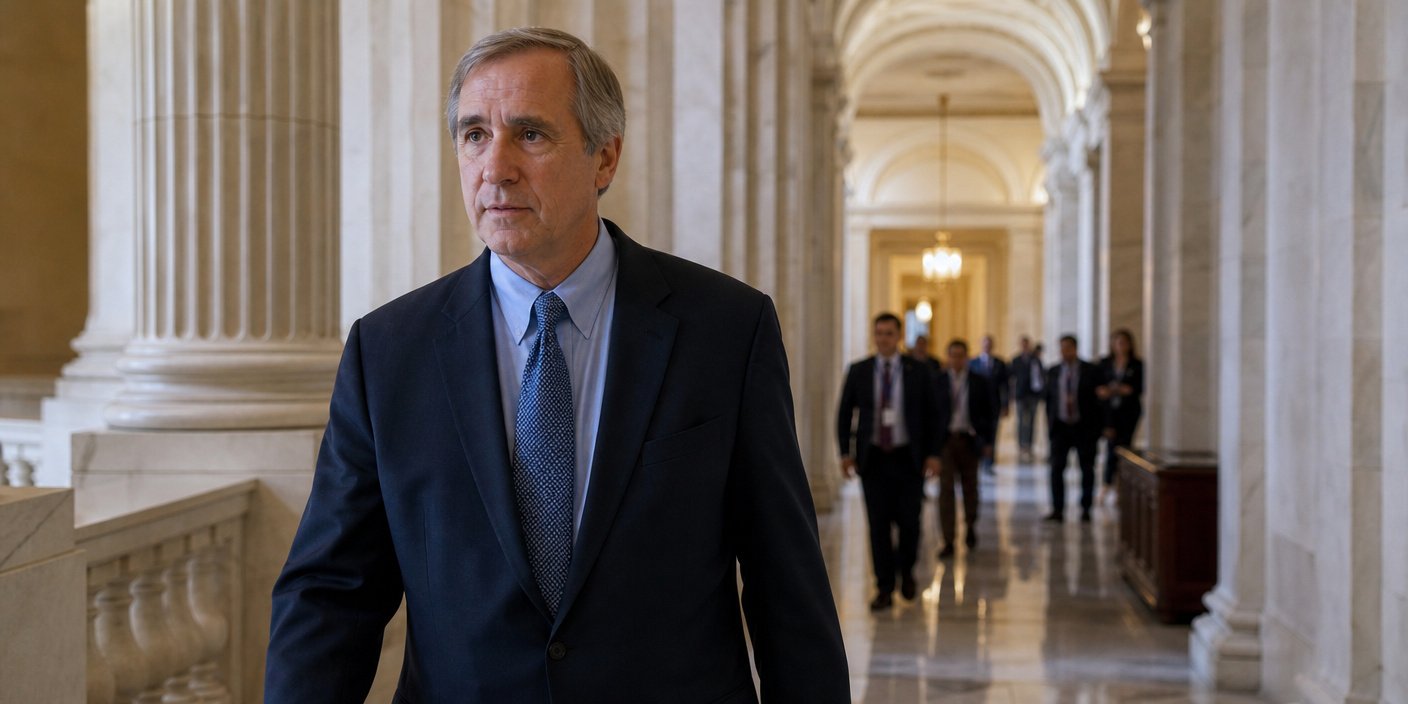
In a decisive move for the burgeoning hemp industry, the Senate has included a provision within its bipartisan government funding bill that delays the controversial federal ban on most hemp-derived THC products. The amendment, championed by Oregon Senator Jeff Merkley, provides a critical reprieve, pushing the effective date of the regulatory crackdown from November 12 to December 11, 2026. This legislative intervention grants federal regulators and lawmakers an additional year to develop a comprehensive, long-term regulatory framework for a sector that has operated in a legal gray area since the passage of the 2018 Farm Bill.
Key Highlights
- Legislative Reprieve: A bipartisan Senate funding bill now includes a specific provision delaying the federal ban on hemp-derived THC products.
- Revised Timeline: The ban’s effective date has been moved from November 12 to December 11, 2026, providing a crucial 13-month buffer.
- Strategic Oversight: Senator Jeff Merkley’s amendment is designed to give Congress and the FDA necessary time to establish safety standards and regulatory clarity.
- Economic Impact: The delay offers thousands of small businesses and hemp farmers temporary protection against an immediate federal prohibition that threatened to shutter operations nationwide.
The Legislative Architecture of the Delay
The inclusion of this delay in the budget bill represents a masterstroke of political maneuvering in a fractured Congress. For years, the hemp industry has exploited the ‘loophole’ created by the 2018 Farm Bill, which legalized hemp—defined as cannabis containing less than 0.3% Delta-9 THC on a dry-weight basis—while failing to clearly delineate the status of synthetic or converted hemp-derived cannabinoids, such as Delta-8 THC.
The 2018 Farm Bill Conundrum
The core of the current crisis stems from the 2018 legislation that aimed to stimulate the agricultural sector. However, the subsequent rise of intoxicating hemp-derived THC products created a market explosion that caught federal regulators off guard. While traditional marijuana remains federally illegal, hemp-derived alternatives are sold legally in many states, often in gas stations and smoke shops with little to no age verification or safety testing. Senator Merkley’s legislative intervention recognizes that a sudden, blunt-force ban would create massive economic disruption, impacting not just retailers but also the farmers who have pivoted their operations to support the hemp supply chain.
Senator Merkley and the Budgetary Lever
By tethering this delay to the broader government funding bill, advocates ensured that the issue would receive immediate attention rather than languishing in the stagnant legislative process. Senator Merkley’s office has emphasized that the goal is not to preserve the status quo indefinitely, but to create a ‘runway’ for substantive policy. The 2026 deadline effectively moves the discussion into the next legislative cycle, forcing a confrontation on the issue that current Congresses have largely avoided.
The Impact on the Hemp and Cannabis Economy
The secondary angle of this delay is the economic anxiety it alleviates. The initial November 12 deadline served as a ‘sword of Damocles’ hanging over the industry. Industry analysts suggest that had the ban proceeded, it would have resulted in immediate inventory liquidations and business insolvencies, particularly for manufacturers who invested heavily in the production of hemp-derived THC distillates. This extension allows these businesses to pivot, adjust their supply chains, and engage in meaningful dialogue with regulators about potential age-gating and product safety requirements.
Balancing Public Safety and Market Access
Public health advocates have long argued that the uncontrolled proliferation of hemp-derived cannabinoids poses a risk to minors and consumers alike. The FDA has previously expressed concern over the lack of standardized testing for contaminants, such as heavy metals or residual solvents, in many of these products. By extending the deadline, Congress is signaling that it expects the industry to take proactive steps toward self-regulation. If the industry fails to demonstrate commitment to safety during this 13-month grace period, the final prohibition in 2026 may be even more severe than originally proposed.
The Path to 2026: FDA Oversight and Future Predictions
Looking ahead, the next thirteen months are critical. The landscape for hemp-derived THC will likely undergo significant transformation. We can anticipate several key shifts:
1. FDA Involvement: The FDA is under immense pressure to issue guidance on labeling and marketing. This delay provides the agency the institutional space to formulate rules that differentiate between CBD products and intoxicating THC derivatives.
2. State-Level Enforcement: We expect to see an uptick in states taking unilateral action to ban or heavily regulate hemp-derived products, regardless of federal status. This creates a fragmented regulatory map that makes interstate commerce increasingly difficult for manufacturers.
3. The 2026 Reckoning: The December 11, 2026, date is a hard stop. It is unlikely that another delay will be granted. The industry will need to transition from a ‘gray market’ to a ‘regulated market’ model if it hopes to survive beyond that point.
Ultimately, this reprieve is not a victory for total deregulation, but a recognition of complexity. The legislative process is acknowledging that the intersection of agricultural commodities, public safety, and consumer markets requires more than a simple legislative ‘on-off’ switch.
FAQ: People Also Ask
1. Does this bill permanently legalize hemp-derived THC products?
No. This provision only delays the federal ban, moving the enforcement date to December 11, 2026. It provides a ‘stay of execution’ rather than a permanent protection.
2. Why was the date changed from November 12 to December 11, 2026?
It creates a specific window that forces the issue into the next legislative cycle, giving lawmakers and the FDA more time to draft a formal regulatory framework, including potential safety testing and age restrictions.
3. Who led the push for this delay in the Senate?
Oregon Senator Jeff Merkley was the primary driver of this amendment, arguing that the industry needed time to adapt and that a sudden ban would be economically reckless.
4. Will the FDA begin regulating these products sooner because of this delay?
It is highly probable. The industry now has a clear deadline, which often acts as a catalyst for federal agencies to engage in the rulemaking process to prepare for the looming prohibition.