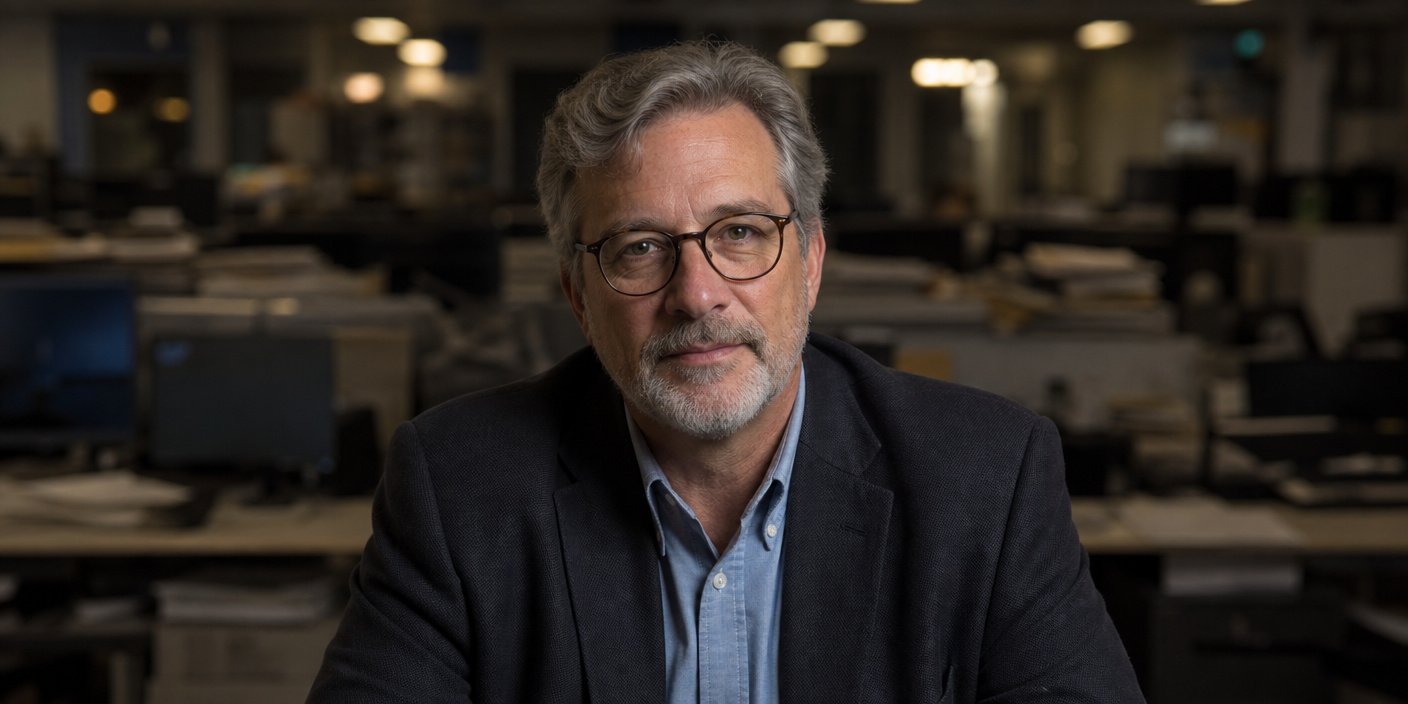
The local media landscape in Oregon is in mourning today following the passing of Jason Vondersmith, a dedicated journalist and longtime contributor to the Portland Tribune. At 60 years old, Vondersmith’s death marks the end of a significant chapter for the publication and a loss for the many readers who relied on his insightful coverage of Portland’s community, culture, and sports scenes over the decades.
Key Highlights
- Passing of a Veteran: Jason Vondersmith, age 60, was a staple of the Portland Tribune’s newsroom for years, known for his work ethic and commitment to local stories.
- Community Impact: Throughout his career, Vondersmith focused on the granular details of Portland life, bridging the gap between municipal developments and the everyday reader.
- Legacy of Local Journalism: His career serves as a testament to the importance of community-focused, beat-driven journalism in an era of rapid digital transition.
A Legacy Carved in the Portland Tribune
For those who followed the Portland Tribune, the byline of Jason Vondersmith was a mark of consistency. In an industry defined by volatility and constant shifts in narrative, Vondersmith represented the bedrock of local accountability. His work wasn’t just about reporting the news; it was about anchoring the Portland experience. From the nuances of local sports to the intricacies of neighborhood developments, he approached each assignment with the meticulous attention to detail that defined his multi-decade career.
The Role of the Beat Reporter
To understand the magnitude of this loss, one must examine the specific value of the local beat reporter. Unlike national correspondents who parachute into stories, Vondersmith lived the beat. He understood the rhythm of the city—its politics, its growing pains, and its evolving cultural identity. This level of institutional memory is becoming an increasingly rare commodity in modern journalism. When a reporter of Vondersmith’s tenure leaves the stage, they take with them years of context that cannot be easily replicated by digital archives or AI-driven aggregators.
His approach was rooted in the classic tenets of journalism: verify, connect, and inform. Whether he was interviewing a local coach or reporting on a municipal zoning hearing, Vondersmith’s prose carried the weight of a man who cared deeply about his subject matter. He understood that local news is the circulatory system of a healthy democracy, ensuring that citizens are informed about the decisions that affect their immediate surroundings.
Navigating the Changing Newsroom
Vondersmith’s career spanned a transformative period in American media. He worked through the transition from traditional print dominance to the hybrid digital-first environments that define today’s newsrooms. Adapting to these changes requires a unique blend of traditional grit and modern technical agility. Colleagues noted that he was not only a reporter but also a mentor to younger journalists, teaching them that the medium may change, but the core objective—truth-seeking—remains absolute.
His ability to pivot while maintaining a high standard of editorial integrity made him a respected figure within the Portland media ecosystem. He operated in an environment where budget cuts and newsroom consolidation were constant pressures, yet his focus remained singularly on the story. This resilience in the face of industry-wide disruption is a hallmark of his generation of journalists, many of whom are currently facing the challenge of preserving the sanctity of the written word in a click-driven economy.
Beyond the Byline: A Community Figure
While his professional title was journalist, to many in the Portland area, Vondersmith was a community figure. He was the person who put names to faces and context to events. He helped humanize the city’s institutions. In an increasingly polarized social environment, the role of a trusted, neutral reporter cannot be overstated. He provided the common facts upon which a community builds its discourse. The void left by his absence is not merely professional; it is a loss of a primary source of institutional history for the city.
As the Portland Tribune and the broader media community reflect on his passing, the conversation inevitably turns toward the future of local reporting. The loss of a veteran like Vondersmith serves as a stark reminder of the necessity of supporting local news outlets. It is a clarion call to the public to value the work that keeps city government honest, sports vibrant, and communities connected. His legacy is found not just in his archived articles, but in the standard of excellence he demanded of himself and his peers.
Ultimately, Vondersmith’s life was defined by a commitment to service. He chose to devote his time to chronicling the lives of others, ensuring that the stories of Portland were told with fairness and accuracy. That is a noble pursuit, and it is one that will be remembered by those he interviewed, those he worked alongside, and those who read his work over the many years of his distinguished career.
FAQ: People Also Ask
Q: What was Jason Vondersmith best known for?
A: Jason Vondersmith was a longtime journalist with the Portland Tribune. He was widely respected for his steady, reliable reporting on local community issues, sports, and regional developments, serving as a pillar of the paper’s editorial staff.
Q: Why is his passing considered a significant loss for the Portland media?
A: Beyond his individual contributions, Vondersmith represented a generation of experienced, institutional-memory-heavy journalists. His departure highlights the ongoing challenge of maintaining depth and continuity in local newsrooms across the country.
Q: How long was his tenure at the Portland Tribune?
A: Vondersmith was a mainstay at the publication for many years, covering a wide array of topics. His tenure spanned significant shifts in the regional media landscape, marking him as a consistent and trusted voice for local readers.
Q: How will the Portland Tribune move forward?
A: While the publication has not issued a specific change to its editorial structure regarding his passing, the loss of such a senior reporter often forces newsrooms to consolidate beats and lean on newer staff to fill the gap left by experienced veterans.